Nepalcalling
Altitude
4130m
Co-ordinates
28.5306° N, 83.8780° E
Duration
7 days
Best Season
Mar-May, Sep-Nov
Activity
5-7 hours walk per day
Trip Grade
Easy to Moderate
Trip Overview
The Annapurna Yoga Trek
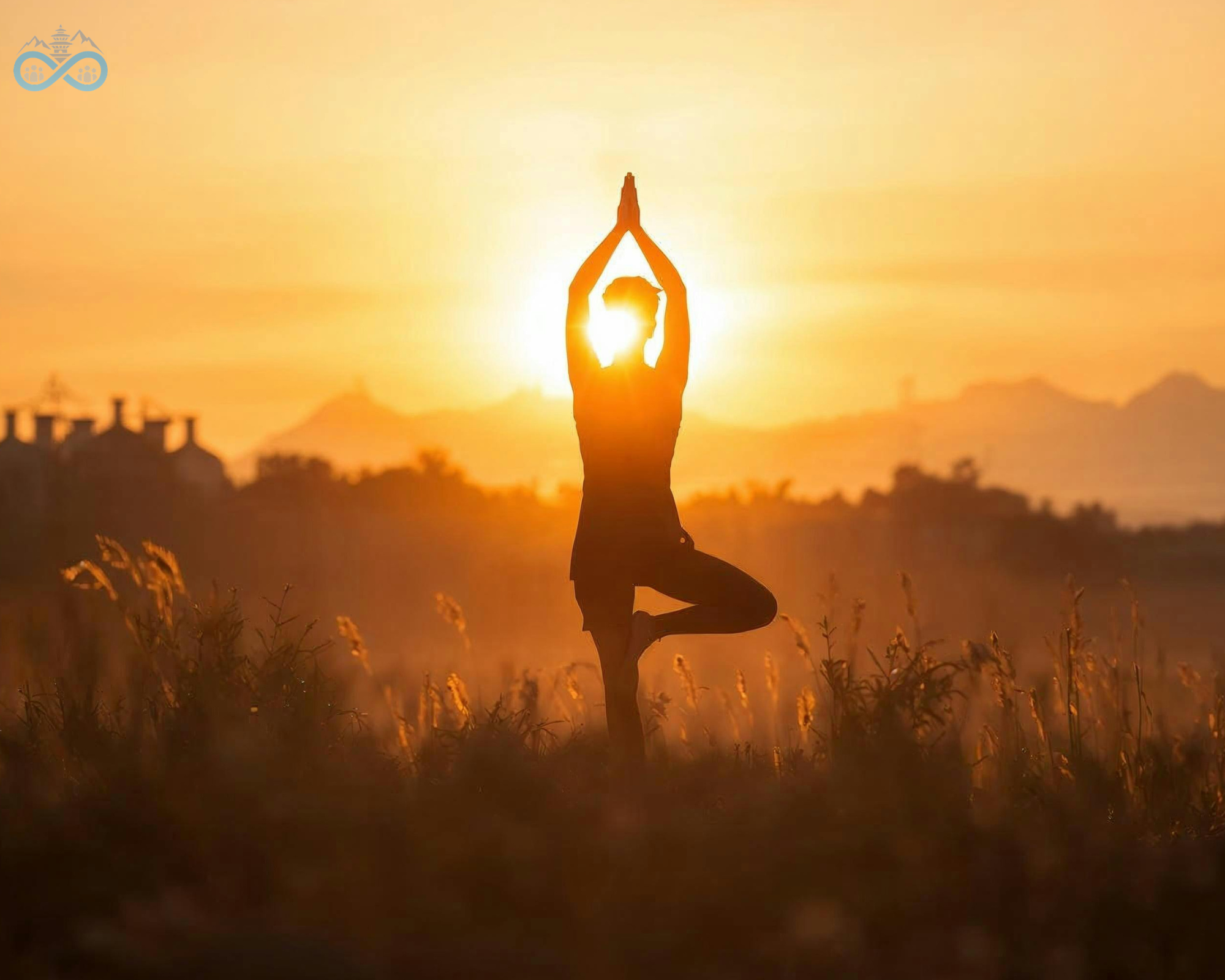
It is a journey that combines the physical rewards of trekking in the Himalayas with the restorative practices of yoga, meditation, and mindful living. Set against the backdrop of Nepal's most celebrated mountain landscapes, this experience invites travelers to slow down and engage with the region in a more intentional way. The journey unfolds through traditional Gurung villages, terraced farmlands, rhododendron forests, and high mountain viewpoints where the rhythms of everyday life feel remarkably different from those of the modern world. Each day begins with yoga practice as the first light touches the snow-covered peaks and ends with meditation sessions designed to help participants absorb the experiences of the trail. Rather than focusing solely on reaching a destination, the trek encourages awareness of the journey itself, from the sound of mountain streams and the scent of pine forests to the simple act of breathing in the crisp Himalayan air.
As the trail gradually ascends deeper into the Annapurna region, the surrounding environment naturally supports a sense of calm and reflection. The dramatic landscapes create moments of awe, while interactions with local communities provide insight into a culture shaped by resilience, spirituality, and a close relationship with nature. Guided yoga sessions are adapted to the demands of trekking, helping participants maintain flexibility, improve recovery, and stay connected to their bodies throughout the journey. Meditation and pranayama practices complement the physical aspects of the trek, offering tools for relaxation, focus, and mental clarity. Whether practicing sun salutations at a panoramic viewpoint, enjoying a silent walk through ancient forests, or sitting quietly beneath a sky filled with stars, travelers discover that the mountains offer more than scenery. They provide space for presence, balance, and personal renewal. The Annapurna Yoga Trek is ideal for anyone seeking a meaningful Himalayan experience that nourishes both body and mind while exploring one of Nepal's most beautiful trekking regions.
Detailed Itinerary
Begin the Journey Within
Arrival in Pokhara
Elevation: 822m
Arrive in Pokhara and settle into your hotel overlooking Phewa Lake. Take time to unwind and prepare for the journey ahead. In the evening, meet your yoga instructor and trekking guide for an introduction to the trek, followed by a gentle yoga session and guided meditation designed to help you transition from daily life into the slower rhythm of the Himalayas.
Highlights
- Arrival and wellness orientation
- Gentle Hatha Yoga session
- Guided meditation
- Lakeside sunset experience
Overnight: Pokhara
Stepping into the Hills of Annapurna
Pokhara to Ulleri
Elevation: 2,050m
Walking Time: 4–5 Hours
After breakfast, drive to the trailhead and begin trekking through terraced fields, riverside paths, and traditional villages. The ascent to Ulleri introduces you to the mountain environment while providing stunning views of the surrounding hills. Upon arrival, enjoy a restorative yoga practice to ease tired muscles and prepare for the days ahead.
Highlights
- Scenic drive and trek commencement
- Traditional village landscapes
- Evening stretching and recovery yoga
- Breath awareness meditation
Overnight: Ulleri
Walking Among Forests and Breath
Ulleri to Ghorepani
Elevation: 2,874m
Walking Time: 4–5 Hours
Today's trail winds through enchanting rhododendron and oak forests, especially beautiful during spring when the hillsides are covered in blooms. The peaceful atmosphere creates an ideal setting for mindful trekking. Arrive in Ghorepani and enjoy a guided meditation session as the mountains begin to dominate the horizon.
Highlights
- Forest mindfulness walk
- Rhododendron landscapes
- Guided pranayama session
- Evening meditation
Overnight: Ghorepani
Sunrise, Presence, and Himalayan Perspective
Sunrise, Presence, and Himalayan Perspective
Elevation: 2,630m (Tadapani)
Walking Time: 5–6 Hours
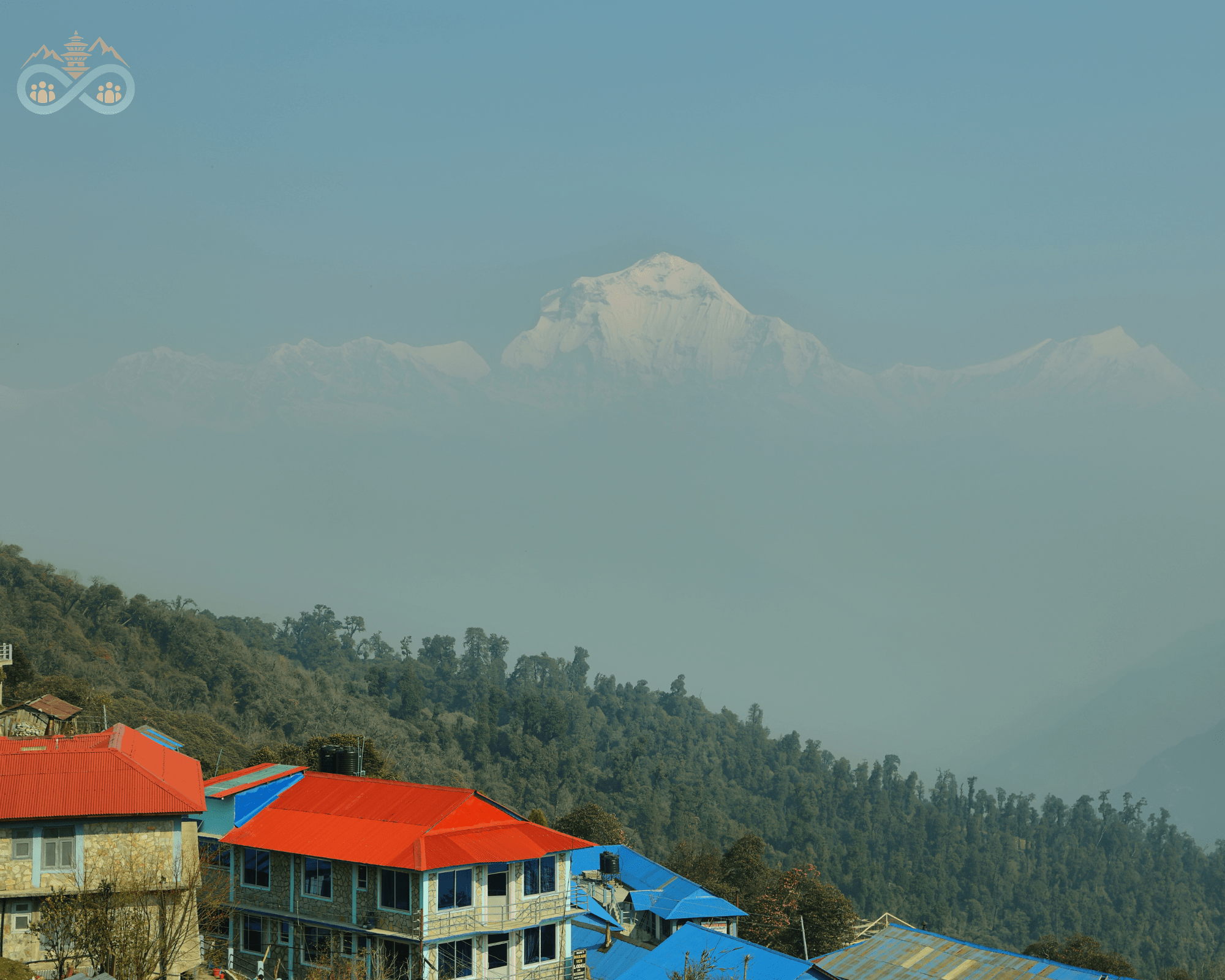
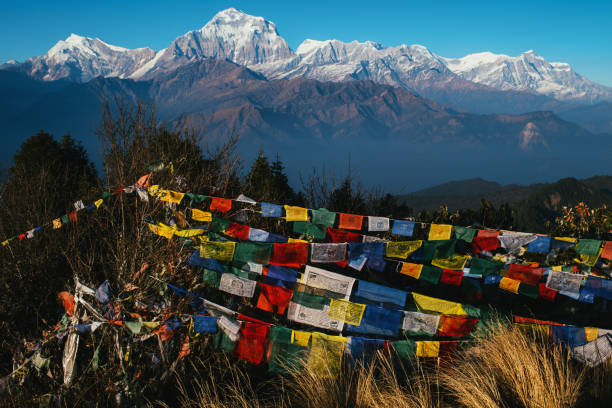
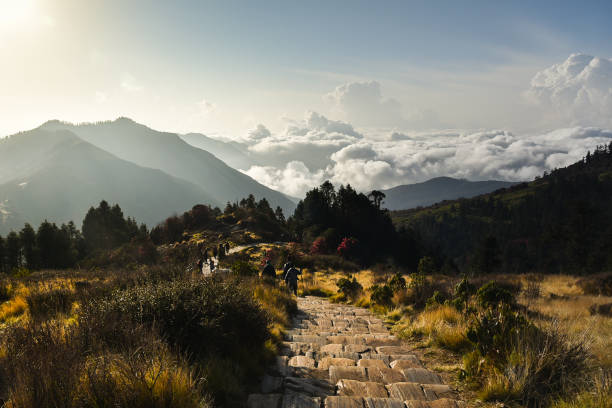
Begin the day before sunrise with a hike to Poon Hill, one of the most celebrated viewpoints in the Annapurna region. As the first rays of sunlight illuminate the snow-capped peaks of Annapurna, Dhaulagiri, Machhapuchhre, and Hiunchuli, enjoy a guided yoga session surrounded by one of the most breathtaking mountain panoramas in Nepal. After breakfast, leave Ghorepani behind and follow scenic trails through rhododendron forests and quiet ridgelines toward Tadapani. The route offers continuous mountain views and peaceful surroundings, creating ideal conditions for mindful trekking and reflection. Upon arrival in Tadapani, unwind with an evening meditation session while taking in the tranquil atmosphere of this beautiful mountain settlement.
Highlights
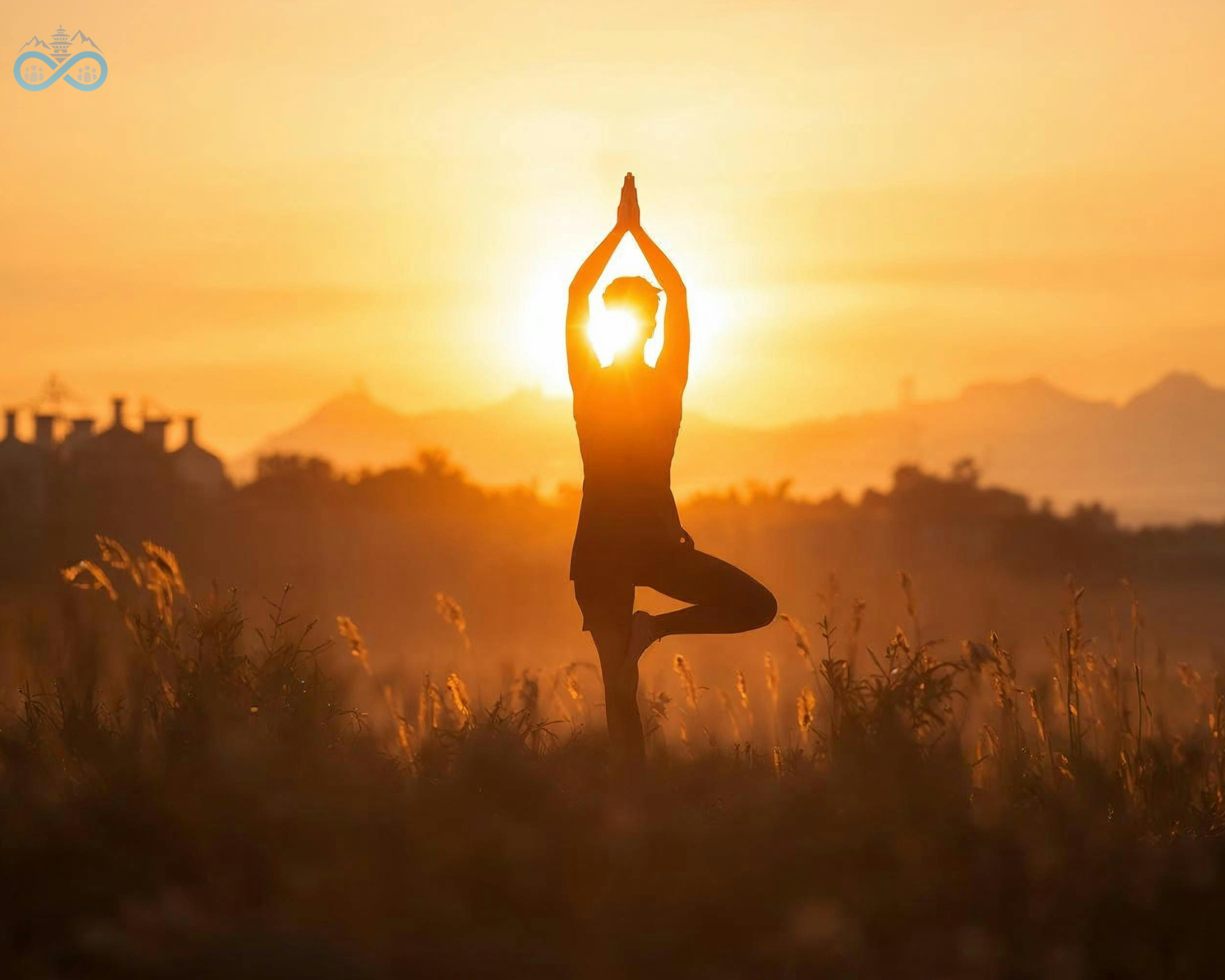
- Sunrise yoga at Poon Hill
- Panoramic views of the Annapurna and Dhaulagiri ranges
- Mindful trekking through forests and ridgelines
- Evening meditation in Tadapani
Overnight: Tadapani
The Wisdom of Mountain Villages
The Wisdom of Mountain Villages
Elevation: 1,565m (Landruk)
Walking Time: 4–5 Hours
Leaving Tadapani behind, today's trail descends through lush forests and traditional mountain landscapes toward the charming village of Landruk. Along the way, enjoy breathtaking views of Annapurna South and Machhapuchhre while passing through small settlements that offer insight into local Himalayan life. The relatively gentle trekking day allows more time to slow down, observe your surroundings, and connect with the culture of the region. Upon reaching Landruk, spend the afternoon immersed in wellness activities, including a guided yoga session, meditation practice, and quiet moments of personal reflection overlooking the mountains.
Highlights
- Scenic forest trails and mountain views
- Traditional village-to-village trekking
- Gurung cultural experiences
- Extended yoga and meditation session
- Mindfulness and reflection time
Overnight: Landruk
Elevating Body, Mind, and Spirit
Landruk to Australian Base Camp
Elevation: 2,060m
Walking Time: 4–5 Hours
Follow scenic trails through forested hillsides and traditional settlements toward Australian Base Camp. The viewpoint offers magnificent close-up views of the Annapurna range and Machhapuchhre. Enjoy a sunset meditation and closing yoga practice in one of the most peaceful settings of the trek.
Highlights
- Panoramic mountain viewpoints
- Breathwork and meditation workshop
- Sunset yoga overlooking the Himalayas
- Reflection and gratitude session
Overnight: Australian Base Camp
A Final Sunrise and Journey Home
Australian Base Camp to Pokhara
Walking Time: 2–3 Hours
Begin the day with a final sunrise meditation and gentle yoga session as the Himalayas glow in the morning light. Descend through forests and villages before driving back to Pokhara. The journey concludes with a wellness integration session, allowing you to reflect on the experiences, connections, and insights gained throughout the trek.
Highlights
- Sunrise yoga and meditation
- Scenic descent through Annapurna foothills
- Return to Pokhara
- Trek completion celebration
Trip Ends in Pokhara
Photo Gallery
The Annapurna Yoga Trek
Trek Highlights
Annapurna Yoga Trek Highlights
- Daily yoga sessions with stunning Himalayan mountain views
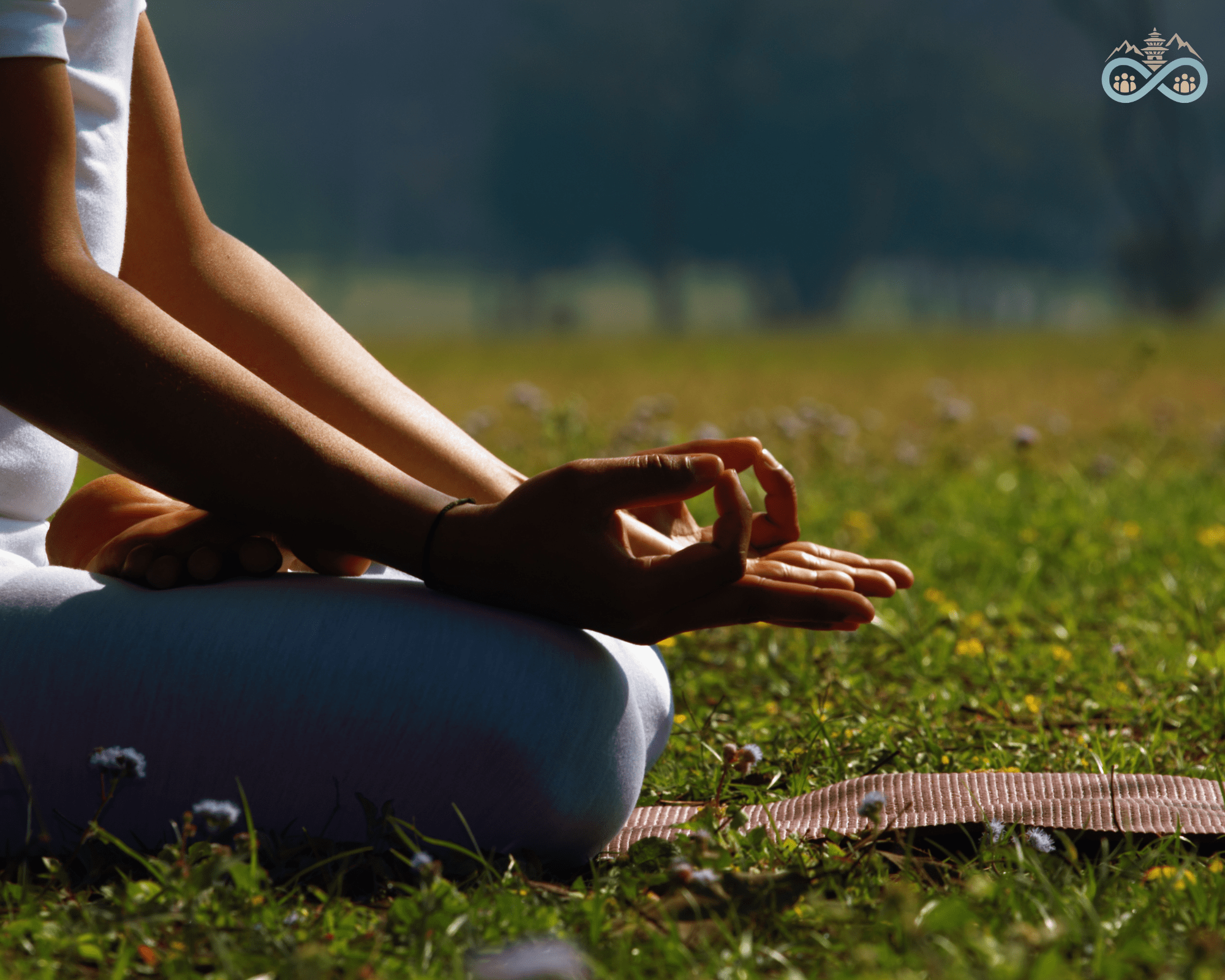
- Guided meditation and mindfulness practices throughout the journey
- Sunrise yoga experience at the iconic Poon Hill viewpoint
- Scenic trekking through rhododendron and oak forests
- Breathtaking panoramas of Annapurna, Dhaulagiri, Machhapuchhre, and Hiunchuli
- Mindful walking and breathwork sessions on the trail
- Authentic cultural encounters in traditional Gurung villages
- Peaceful stays in mountain teahouses surrounded by nature
- Sunset yoga and meditation at Australian Base Camp
- Opportunities for digital detox and personal reflection
- Wellness-focused trekking pace suitable for beginners and experienced travelers alike
- Immersion in the tranquil landscapes and spiritual atmosphere of the Annapurna region
- Expert guidance from experienced trekking and wellness professionals
- A balanced combination of adventure, relaxation, and self-discovery
- Small-group experience fostering meaningful connections with fellow travelers
Culture & Spiritual Heritage
Cultural and Spiritual Heritage
The Annapurna region offers more than spectacular mountain scenery. It is a living cultural landscape where traditional Himalayan lifestyles, spiritual beliefs, and a deep respect for nature continue to shape daily life. For yoga and meditation practitioners, these cultural encounters add a meaningful dimension to the journey, creating opportunities for reflection, mindfulness, and personal growth.
Traditional Gurung Heritage
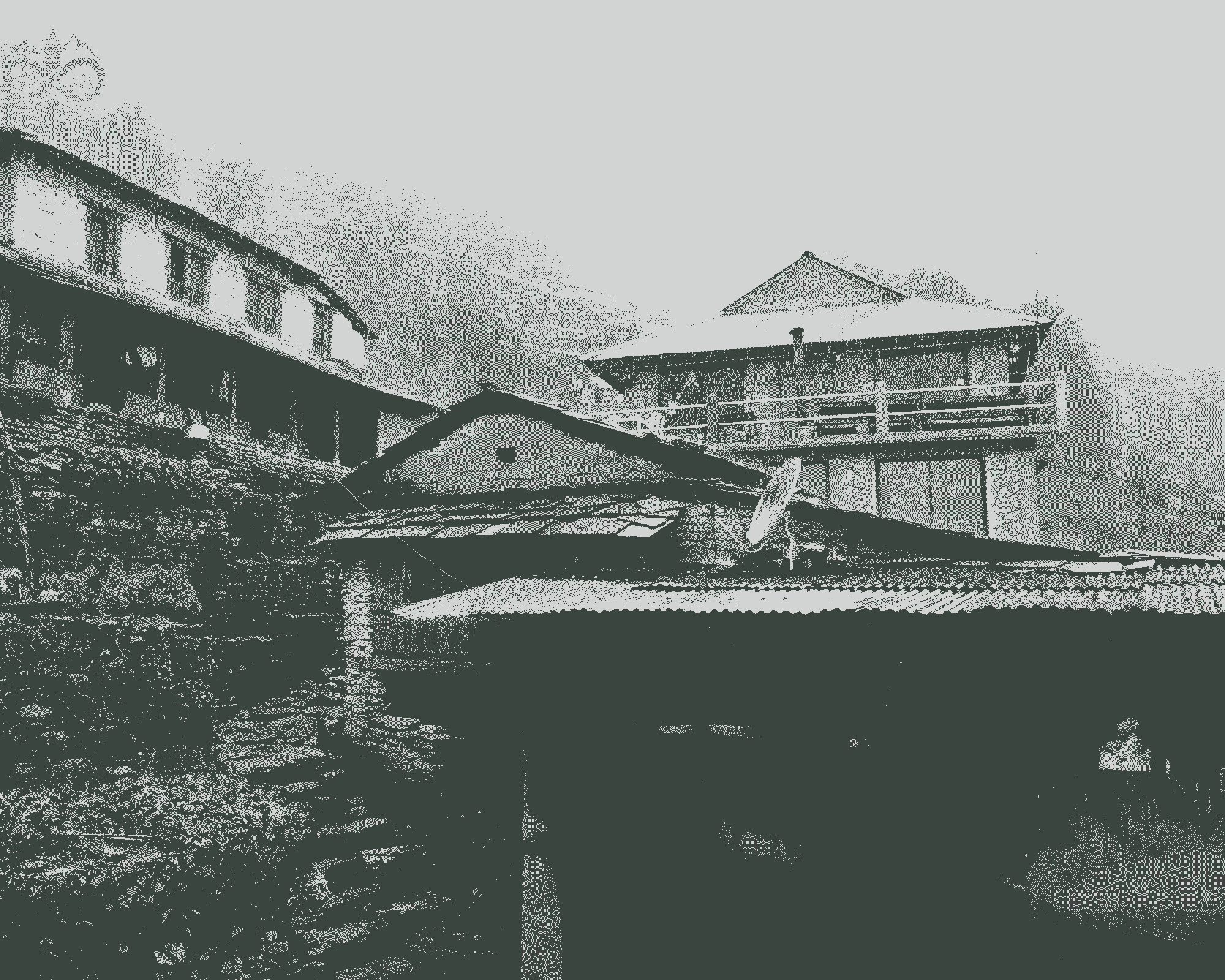
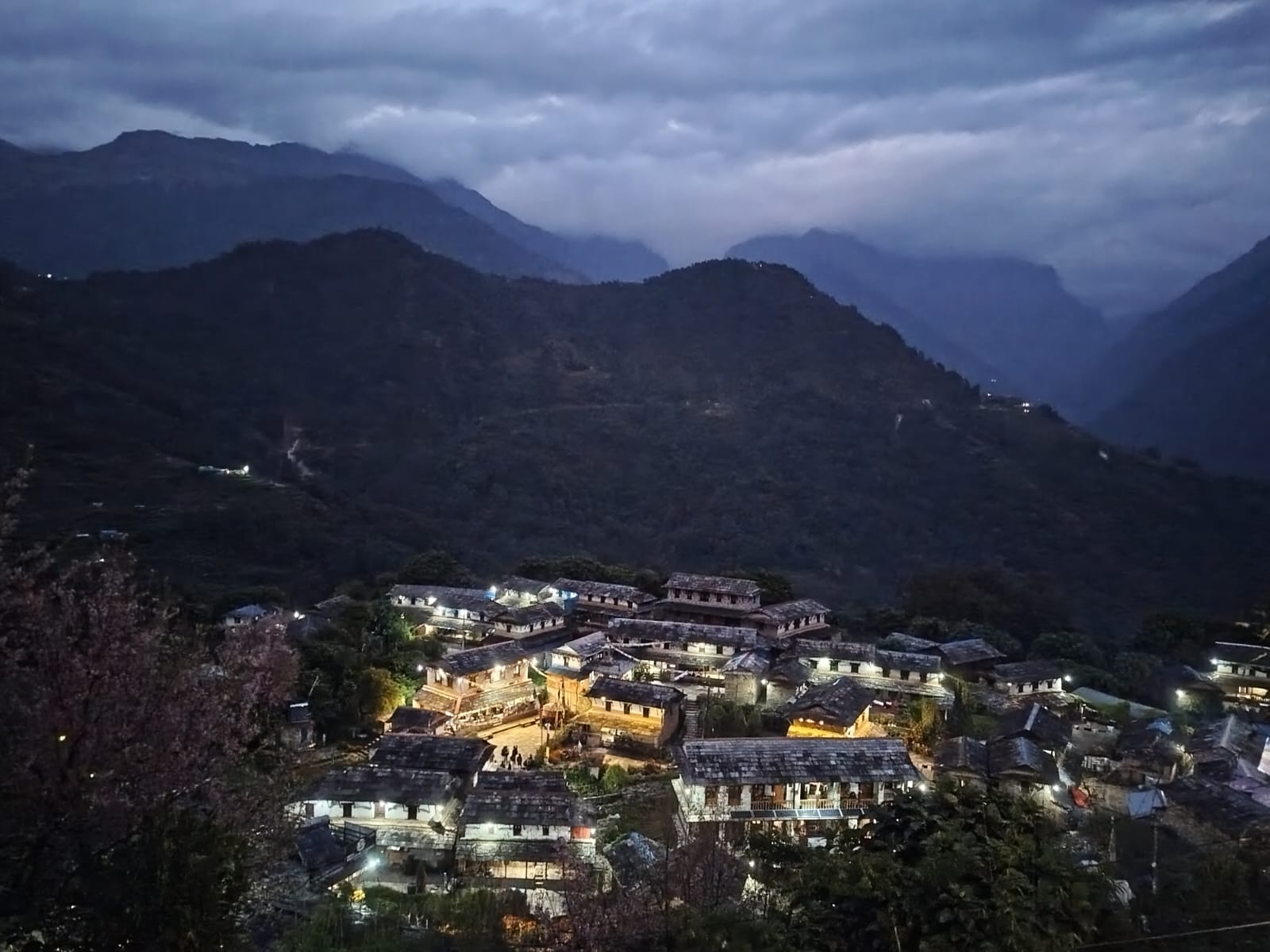
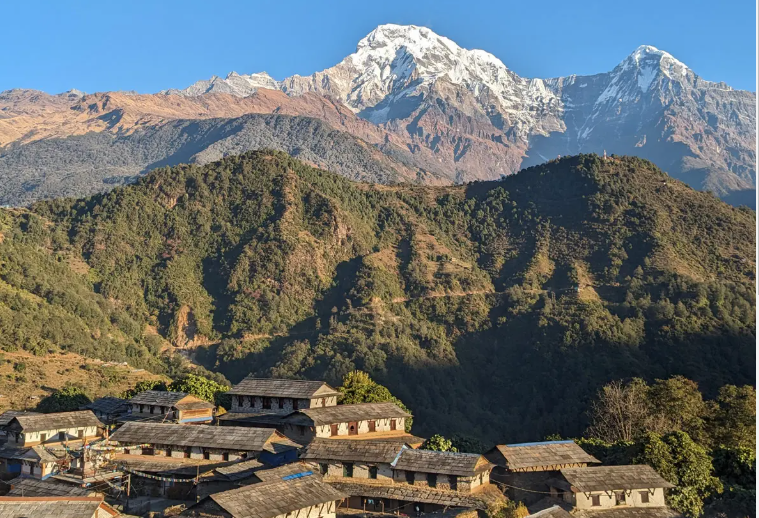
The villages along the trail are home to the Gurung people, renowned for their hospitality, strong community bonds, and rich cultural traditions. Walking through settlements such as Ghandruk and Landruk provides insight into a way of life that remains closely connected to nature and seasonal rhythms.
Living Spiritual Traditions
Throughout the trek, you'll encounter prayer flags, sacred shrines, mani stones, and small temples that reflect the spiritual beliefs of local communities. These sacred sites serve as reminders of mindfulness, compassion, and respect for all living beings.
Mountains as Sacred Spaces
In Himalayan culture, many peaks are considered sacred rather than simply geographical landmarks. The towering presence of Annapurna and Machhapuchhre inspires a sense of humility and reverence, creating a natural environment for meditation and contemplation.
Mindfulness Through Simplicity
Life in the mountain villages follows a slower pace, encouraging visitors to disconnect from distractions and become more present. Observing daily routines, local farming practices, and community interactions naturally supports the principles of mindfulness and conscious living.
Yoga Beyond the Mat
The Annapurna Yoga Trek extends yoga beyond physical postures. The rhythm of walking, conscious breathing during ascents, and moments of stillness in nature become forms of moving meditation that deepen awareness throughout the journey.
Meditation in Nature
The forests, mountain ridges, and panoramic viewpoints of the Annapurna region provide ideal settings for meditation. The absence of urban noise and the presence of vast natural landscapes create an atmosphere that supports inner calm and mental clarity.
Connection Through Community
Interactions with local families, lodge owners, and villagers offer opportunities to learn about Himalayan values of resilience, gratitude, and simplicity. These encounters often become some of the most meaningful and transformative aspects of the experience.
A Journey of Inner and Outer Discovery
By combining trekking, yoga, meditation, and cultural immersion, the Annapurna region creates a holistic journey where physical exploration and inner reflection unfold side by side. The result is an experience that nourishes the body, calms the mind, and fosters a deeper connection with both the mountains and oneself.
What's Included
- Airport transfers (arrival and departure)
- Private transportation to and from the trekking trailhead
- Experienced licensed trekking guide
- Professional yoga and meditation instructor
- All accommodation during the trek and in Pokhara as per itinerary
- Daily breakfast, lunch, and dinner during the trek
- Welcome and farewell wellness sessions
- Guided yoga classes
- Meditation and mindfulness practices
- Guided pranayama and breathing workshops
- Sunrise yoga session at Poon Hill
- Sunset yoga and meditation at Australian Base Camp
- Mindful walking and forest meditation experiences
- Annapurna Conservation Area Permit (ACAP)
- TIMS Card
- Guide's salary, insurance, accommodation, meals, and transportation
- First aid kit and basic emergency support
- Government taxes and service charges
- Assistance with trek preparation and pre-departure briefing
What's not Included
- International airfare to and from Nepal
- Nepal entry visa fees
- Travel and medical insurance (mandatory)
- Emergency evacuation and rescue costs
- Personal trekking equipment and clothing
- Porter service (available upon request at an additional cost)
- Accommodation and meals in Kathmandu unless specified
- Lunch and dinner in Pokhara unless specified
- Personal expenses such as laundry, phone calls, and souvenirs
- Hot showers, Wi-Fi, and battery charging fees at teahouses where applicable
- Alcoholic beverages, soft drinks, bottled water, and snacks
- Additional yoga or wellness treatments not included in the itinerary
- Tips and gratuities for guides, porters, drivers, and wellness instructors
- Costs arising from itinerary changes due to weather, natural disasters, strikes, flight delays, illness, or unforeseen circumstances
- Any services not specifically mentioned in the "Included in the Trip" section
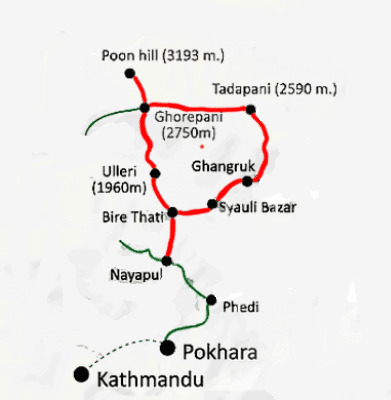
Tour Map
Frequently Asked Questions
Yes. The itinerary can be adjusted to suit your fitness level, available time, yoga experience, wellness goals, and travel preferences.
Absolutely. This trek is popular with solo travelers, couples, friends, and small groups seeking a balance of wellness, culture, and adventure.
Yes. The Annapurna Yoga Trek is designed for travelers with a reasonable level of fitness and does not require previous trekking experience. The pace is moderate, allowing plenty of time for rest, yoga, and meditation.
No. Both beginners and experienced practitioners are welcome. The yoga and meditation sessions are adapted to suit different experience levels and physical abilities.
This trek is considered easy to moderate. Daily walking ranges from 3 to 6 hours, with gradual ascents and descents through mountain trails, forests, and traditional villages.
The program typically includes Hatha Yoga, gentle flow yoga, stretching sessions, pranayama (breathing techniques), mindfulness exercises, and guided meditation practices.
You'll stay in a comfortable hotel in Pokhara and traditional mountain teahouses during the trek. Rooms are generally twin-sharing with basic but comfortable facilities in the tea houses.
Teahouses along the route offer a variety of meals, including Nepali, Tibetan, and international dishes. Vegetarian and vegan options are widely available.
Wi-Fi is available in many villages and teahouses, although connections may be slow or unreliable at higher elevations.
Essential items include trekking clothes, warm layers, a waterproof jacket, comfortable hiking boots, yoga attire, a reusable water bottle, sunscreen, sunglasses, and personal medications.
Yes. The Annapurna Conservation Area Permit (ACAP) and any required trekking permits are necessary and are typically arranged by your trekking company.
The risk of altitude sickness is relatively low compared to higher Himalayan treks, but it is still important to stay hydrated, walk at a comfortable pace, and inform your guide if you experience any symptoms.
Yes. The trek is led by experienced guides, and additional support staff or porters can be arranged depending on your preferences and package selection.
Your guide will carry a first-aid kit and assist with any necessary arrangements. In serious situations, emergency evacuation services can be organized through your travel insurance provider.
Book This Trip
Contact Information
info@nepalcalling.com
nepalcalling4@gmail.com
Phone
+977-9860680553
+32-0485063791
977-9860680553
Related Trips
Let your travels tell a story—crafted by locals, inspired by mountains, and lived by you.
Join The Nepal Calling Newsletter
Be the first to receive exclusive Nepal tour packages, trekking offers, travel tips, destination guides, and seasonal travel inspiration—delivered straight to your inbox.