Nepalcalling
Craft and Creativity?
Craft and creativity in Nepal reflect centuries of artistic traditions, cultural diversity, and skilled craftsmanship that continue to thrive across the country. From intricate wood carvings and metal sculptures to handwoven textiles and traditional paintings, Nepalese artisans preserve techniques that have been passed down through generations. These crafts are not only expressions of artistic talent but also important parts of cultural identity and historical heritage. Travelers exploring Nepal's creative traditions can visit artisan workshops, local markets, and traditional communities where crafts are still produced using time-honored methods and locally sourced materials. Watching craftsmen shape metal, carve wood, weave fabrics, or create detailed artworks offers valuable insight into the patience, skill, and dedication behind each piece. Many artistic traditions remain closely connected to religious practices, festivals, architecture, and daily life, making creativity an integral part of the cultural landscape. Beyond their cultural significance, crafts and creative industries provide livelihoods for thousands of artisans, families, and local communities throughout Nepal. Supporting handmade products and traditional craftsmanship helps preserve valuable skills while encouraging sustainable economic development and cultural continuity. For many visitors, discovering Nepal's artistic heritage becomes an opportunity to engage with local culture in a meaningful and memorable way.
Craft and Creativity in Nepal
- Craft and creativity in Nepal represent centuries of artistic traditions, cultural heritage, and skilled craftsmanship that continue to flourish throughout the country.
- Nepal's rich artistic heritage reflects the influences of diverse ethnic communities, religious traditions, historical kingdoms, and regional cultures.
- Traditional craftsmanship remains an important part of daily life, cultural identity, and community pride across many regions of Nepal.
- Artisans continue to preserve techniques and knowledge that have been passed down from one generation to the next through family traditions and apprenticeships.
- Visitors can explore artisan workshops, local studios, traditional marketplaces, and craft centers where handmade products are created using time-honored methods.
- Wood carving remains one of Nepal's most celebrated artistic traditions, showcasing intricate designs inspired by religious symbols, mythology, and nature.
- Metal craftsmanship continues to produce statues, ceremonial objects, household items, and decorative works that reflect exceptional skill and precision.
- Handwoven textiles and fabrics demonstrate the creativity and cultural identity of different communities through patterns, colors, and weaving techniques.
- Traditional painting styles preserve religious stories, spiritual teachings, and historical narratives through highly detailed artistic expression.
- Pottery and ceramic production remain important crafts in many communities, supporting both everyday life and artistic creativity.
- Stone carving continues to play a significant role in religious architecture, monuments, sculptures, and heritage preservation.
- Handmade jewelry reflects local materials, cultural symbolism, and artistic traditions that vary between regions and ethnic groups.
- Traditional mask making contributes to festivals, dances, ceremonies, and cultural performances throughout the country.
- Craft production often relies on locally sourced materials, supporting sustainable practices and strengthening connections between communities and their environments.
- Many artistic traditions are closely linked to religious practices and are used in temples, monasteries, festivals, and sacred ceremonies.
- Travelers can observe artisans at work and gain insight into the patience, skill, and attention to detail required to create handmade products.
- Cultural workshops and interactive experiences allow visitors to participate in traditional crafts and learn directly from local artisans.
- Purchasing handmade products supports local economies and provides important income for families and small businesses.
- Craft tourism contributes to preserving traditional skills that might otherwise decline due to industrialization and mass production.
- Artistic traditions help maintain cultural identity and strengthen community connections across generations.
- Creative industries provide employment opportunities for artisans, designers, traders, and cultural entrepreneurs throughout Nepal.
- Local markets and craft fairs offer opportunities to discover authentic handmade products and regional artistic styles.
- Traditional architecture itself reflects remarkable creativity through detailed carvings, decorative windows, courtyards, and temples.
- Many crafts carry symbolic meanings related to spirituality, protection, prosperity, and cultural beliefs.
- Nepal's artistic heritage demonstrates a close relationship between functionality and beauty, where everyday objects often become works of art.
- Creative expression continues to evolve as artisans combine traditional methods with contemporary ideas and modern designs.
- Cultural exchange through craft experiences encourages greater appreciation for traditional knowledge and artistic diversity.
- Supporting local craftsmanship helps preserve cultural heritage while promoting sustainable tourism and responsible consumer choices.
- Visitors often develop a deeper understanding of Nepal's history, spirituality, and social traditions through its arts and crafts.
- Craft and creativity transform travel experiences into opportunities for learning, cultural exchange, and personal connection with local communities.
- The diversity and quality of Nepalese craftsmanship make artistic exploration an essential part of understanding the country's living heritage and cultural identity.
Most Popular Craft and Creativity Activities
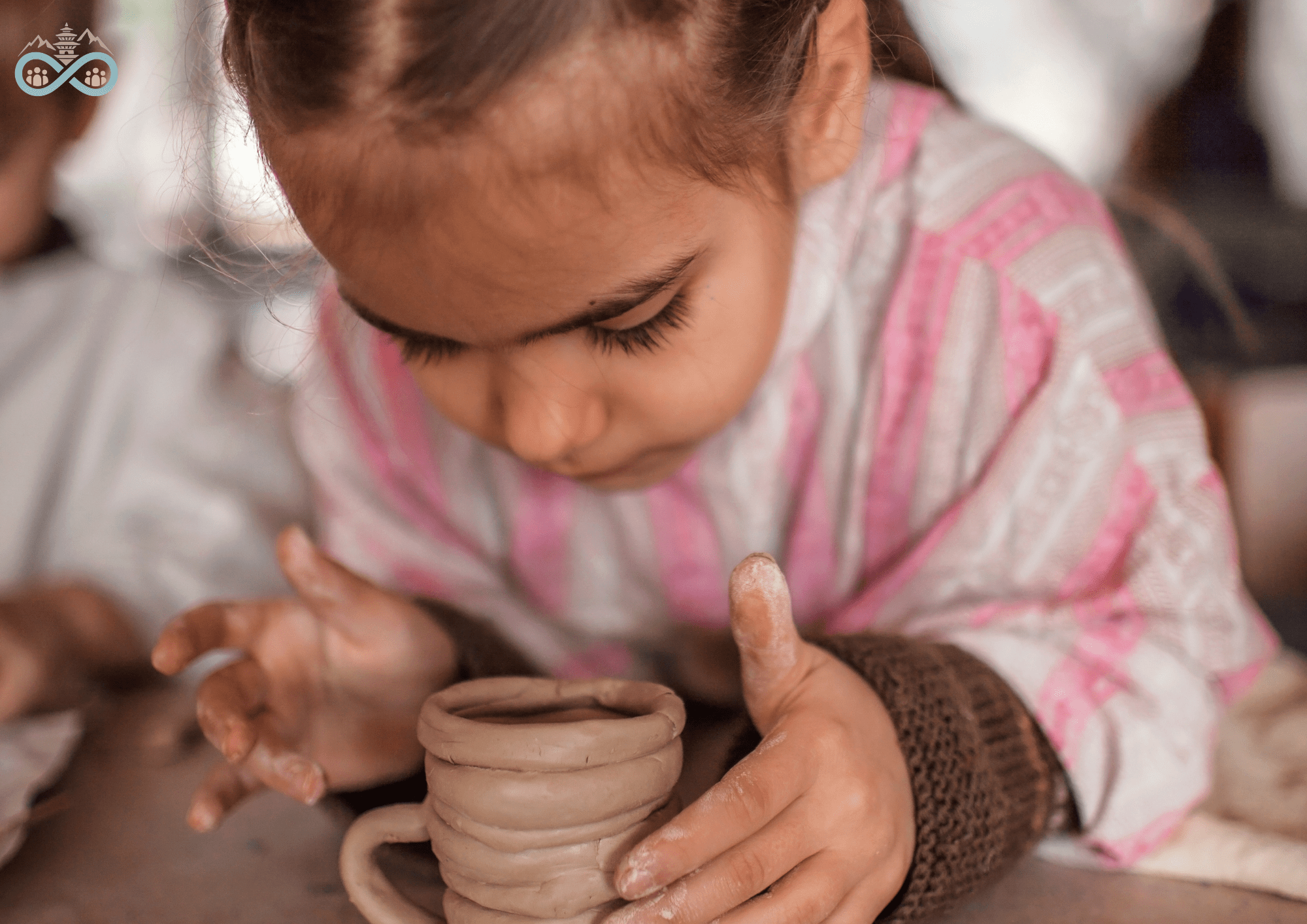
Hands of Heritage: Nepal's Craft and Creativity Journey
Nepal is a living gallery of traditional craftsmanship, where centuries-old skills continue to thriv...
Join The Nepal Calling Newsletter
Be the first to receive exclusive Nepal tour packages, trekking offers, travel tips, destination guides, and seasonal travel inspiration—delivered straight to your inbox.