Nepalcalling
Where Nepal becomes quieter, deeper, and more elemental
The road fades long before the journey begins here. In the Karnali Region, movement feels slower, but not in a way that holds you back. It draws you inward. Trails wind through cedar forests and dry valleys where the wind carries dust and distant prayer chants. Villages appear without warning, built from stone and memory, untouched by urgency. You don’t pass through Karnali you settle into it. Days stretch wider. Conversations last longer. The landscape doesn’t overwhelm with spectacle, but reveals itself in layers, subtle and deliberate. A lake at altitude mirrors the sky without disturbance. A monastery sits quietly on a ridge, not to be seen, but to exist. This is Nepal without noise.
Quick Facts
Location: Northwestern Nepal, bordering Tibet
Key Peaks / Landmarks: Mount Api, Mount Saipal, Rara Lake, Phoksundo Lake, Shey Gompa
Elevation Range: 700 m to over 7,000 m
Best Seasons: Spring (March–May), Autumn (September–November)
Access: Flights to Jumla, Nepalgunj, Dolpa; limited road access in some areas
Accommodation: Basic teahouses, homestays, occasional tented camps
Trek Difficulty Range: Moderate to challenging
A Region of Silence and Space
Karnali doesn’t unfold quickly. It shifts almost quietly from one world into another. Lower valleys begin with subtropical forests and terraced farmland. Life feels grounded here, tied to seasons and soil. As you move higher, the greenery thins, replaced by dry, open landscapes shaped by wind and time. The air becomes sharper, the sky wider. In places like Dolpa and Humla, the terrain starts to resemble the Tibetan plateau. Monasteries emerge not as landmarks, but as part of daily life. Prayer flags are not decoration. They belong. The rhythm of the journey changes too. Trails are less defined, distances feel longer, and encounters become more meaningful. This is not a region built for convenience. It’s shaped for those willing to slow down and notice.
Major Highlights
Rafting
Rafting in Nepal offers an exciting way to experience the country's rivers, landscapes, and remote communities from an entirely different perspective. Fed by Himalayan glaciers and mountain springs, the rivers flow through deep gorges, forested hills, terraced farmland, and traditional villages, creating a journey that combines adventure with remarkable scenery. Every stretch of river reveals changing landscapes and a sense of exploration that extends far beyond the rapids themselves. The country is home to a wide variety of river experiences suitable for both beginners and experienced paddlers. Gentle sections provide opportunities for families and first-time rafters to enjoy the thrill of moving water, while powerful rapids challenge adventure seekers looking for technical and adrenaline-filled descents. Guided by experienced river crews, travelers can navigate white-water rapids, calmer pools, and dramatic canyons while learning about the ecology, geography, and communities that depend on these waterways. Beyond the excitement of the rapids, rafting in Nepal offers moments of tranquility and connection with nature. Camps beside riverbanks, evenings beneath clear skies, and the sounds of flowing water create a memorable wilderness experience. Whether combined with trekking, wildlife adventures, or cultural journeys, rafting provides an unforgettable blend of adventure, natural beauty, and authentic encounters with the landscapes that shape the country.
Rafting in Nepal
• Experience the thrill of navigating Himalayan rivers that flow from glaciers and snow-fed mountain waters through some of Nepal's most spectacular landscapes.
• Journey through deep river gorges, forested hillsides, terraced farmlands, remote villages, and dramatic valleys that are often inaccessible by road.
• Enjoy a unique combination of adventure and sightseeing as the river becomes both the route and the destination.
• Paddle through exciting white-water rapids that range from gentle beginner-friendly sections to challenging technical rapids for experienced adventurers.
• Experience the excitement of working together as a team while navigating waves, currents, and river obstacles under the guidance of professional river guides.
• Discover a variety of rafting experiences suitable for families, first-time paddlers, adventure seekers, and experienced rafters alike.
• Enjoy calmer stretches of river that provide opportunities to relax, swim, appreciate the scenery, and observe the surrounding landscapes.
• Witness spectacular views of lush hills, towering cliffs, waterfalls, river beaches, and distant Himalayan peaks throughout the journey.
• Explore remote areas of Nepal where traditional villages and rural communities continue to maintain lifestyles closely connected to the rivers.
• Gain insight into local cultures and daily life as rafting routes often pass settlements rarely visited by conventional tourists.
• Experience multi-day river expeditions that combine rafting with riverside camping in pristine natural environments.
• Spend evenings beside the river enjoying campfires, starlit skies, and the peaceful sounds of flowing water in remote wilderness settings.
• Observe Nepal's rich biodiversity, including river birds, kingfishers, herons, monkeys, deer, and other wildlife that inhabit river ecosystems.
• Learn about the importance of Himalayan rivers for agriculture, transportation, hydropower, and the livelihoods of local communities.
• Explore rivers with different personalities, from fast-flowing mountain torrents to wider and gentler rivers winding through valleys and plains.
• Develop paddling skills and river knowledge under the supervision of experienced guides trained in safety, rescue techniques, and river navigation.
• Enjoy the balance between adrenaline-filled rapids and quiet moments of reflection while drifting through untouched natural landscapes.
• Capture exceptional photography opportunities featuring dramatic river scenery, canyon walls, traditional suspension bridges, and riverside villages.
• Combine rafting adventures with trekking, wildlife safaris, cultural tours, or mountain expeditions to create a diverse Nepal travel experience.
• Appreciate the environmentally responsible nature of rafting tourism, which encourages conservation of rivers and supports local communities along the waterways.
• Experience one of the most rewarding ways to explore Nepal's geography, where rivers connect mountains, hills, forests, and cultures across the country.
• Create lasting memories through an adventure that blends excitement, teamwork, natural beauty, and authentic cultural encounters into a single journey.
• Discover why Nepal is regarded as one of the world's premier white-water rafting destinations, attracting paddlers and adventure enthusiasts from across the globe.
• Enjoy rafting opportunities throughout different seasons, with varying river conditions offering unique experiences for both beginners and experienced rafters.
• Return with a deeper appreciation for the rivers that shape Nepal's landscapes, ecosystems, communities, and adventure tourism identity.
Rafting
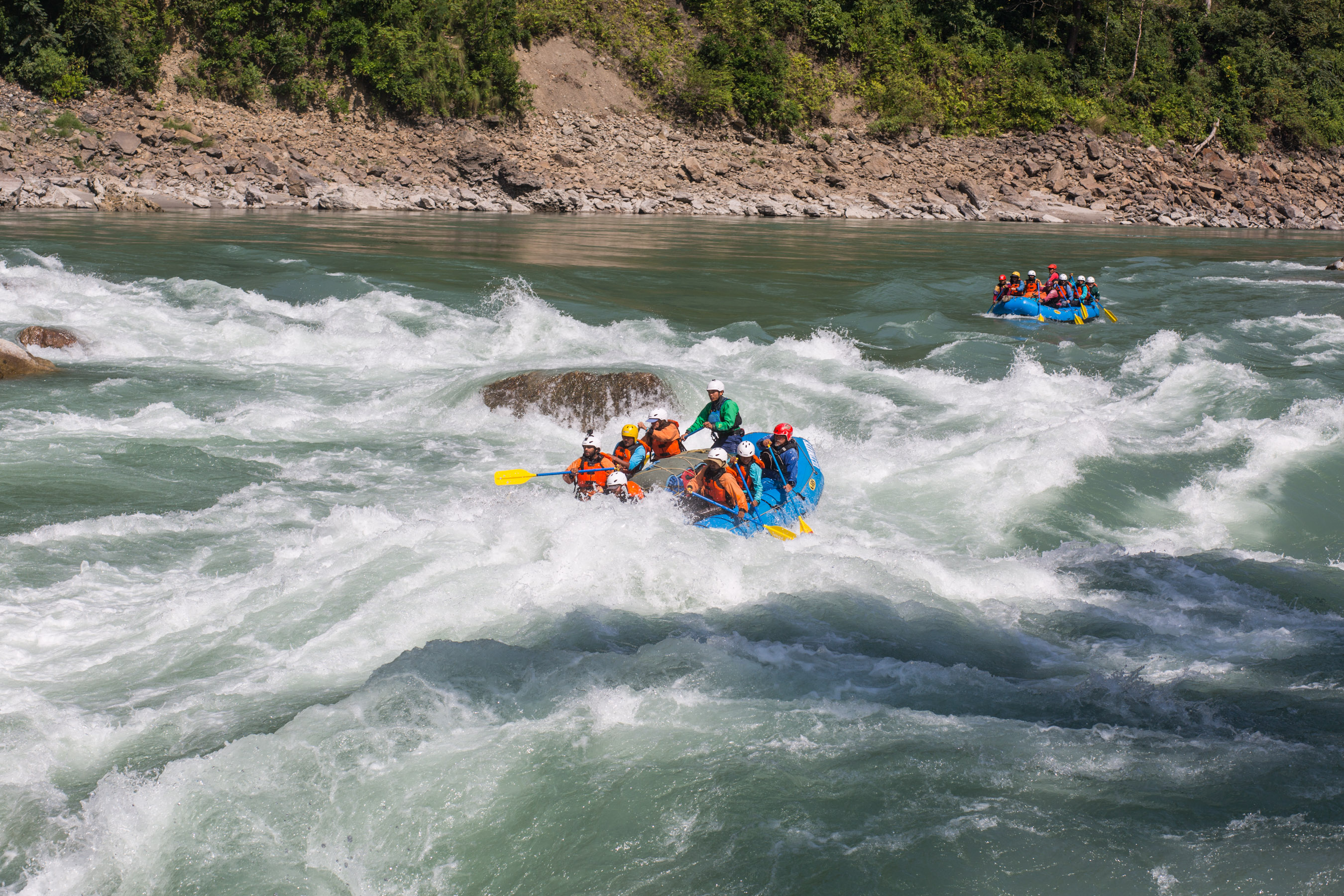
The River Expedition
Discover the wild beauty of western Nepal on an unforgettable fishing and wildlife adventure. Fish for the legendary Golden Mahseer, Himalayan Trout, and Catfis...
Join The Nepal Calling Newsletter
Be the first to receive exclusive Nepal tour packages, trekking offers, travel tips, destination guides, and seasonal travel inspiration—delivered straight to your inbox.