Nepalcalling
Where the Valley Breathes Between Earth and Sky
Morning in the Kathmandu Valley doesn’t begin with silence. It begins with a low hum. Temple bells echo across narrow lanes, incense drifts through courtyards, and somewhere in the distance, a conch shell marks the start of another day. Step just beyond the city’s edges, and the rhythm changes. The noise softens. Stone paths wind through terraced hills, prayer flags flutter quietly above forest ridgelines, and the Himalaya begins to reveal itself in fragments. Kathmandu region is not about escaping civilization. It is about moving through it slowly. Walking from ancient settlements into pine forests, from monastery ridges into farmland, from sacred stupas into open horizons. It is a region where the journey is layered, not distant. Where every step carries both history and landscape.
Quick Facts
Location: Central Nepal, encompassing the Kathmandu, Lalitpur, and Bhaktapur districts.
Key Landmarks: Swayambhunath (Monkey Temple), Bhaktapur Durbar Square, Shivapuri Peak, Namobuddha Monastery.
Elevation Range: 1,300m (Valley floor) to 2,732m (Shivapuri Peak).
Best Seasons: September to May (October/November for clarity March/April for rhododendrons).
Access: International arrival via Tribhuvan International Airport (KTM)
Accommodation: Heritage boutique hotels, luxury forest resorts, and refined village homestays.
Difficulty Range: Easy to Moderate (perfect for families, wellness seekers, and acclimatization).
A Region of Subtle Transitions
The Kathmandu region unfolds quietly. It doesn’t overwhelm. It reveals itself in layers. At the base, the valley floor is dense and lived-in. Brick houses, carved windows, and temple squares carry centuries of history. As trails begin to climb, the environment shifts. Rice terraces give way to forested slopes. Villages become smaller, more spaced out, less touched by the constant movement of the city. Move higher, and the air changes. Pine and rhododendron forests dominate the landscape. The noise fades completely. What remains is wind, birdsong, and the distant outline of Himalayan peaks that seem close enough, yet remain just out of reach. This is a region defined by contrast, but not extremes. Urban and rural coexist. Culture and nature overlap. Trekking here feels less like an expedition and more like a slow crossing between worlds.
Major Highlights
Craft and Creativity
Craft and creativity in Nepal reflect centuries of artistic traditions, cultural diversity, and skilled craftsmanship that continue to thrive across the country. From intricate wood carvings and metal sculptures to handwoven textiles and traditional paintings, Nepalese artisans preserve techniques that have been passed down through generations. These crafts are not only expressions of artistic talent but also important parts of cultural identity and historical heritage. Travelers exploring Nepal's creative traditions can visit artisan workshops, local markets, and traditional communities where crafts are still produced using time-honored methods and locally sourced materials. Watching craftsmen shape metal, carve wood, weave fabrics, or create detailed artworks offers valuable insight into the patience, skill, and dedication behind each piece. Many artistic traditions remain closely connected to religious practices, festivals, architecture, and daily life, making creativity an integral part of the cultural landscape. Beyond their cultural significance, crafts and creative industries provide livelihoods for thousands of artisans, families, and local communities throughout Nepal. Supporting handmade products and traditional craftsmanship helps preserve valuable skills while encouraging sustainable economic development and cultural continuity. For many visitors, discovering Nepal's artistic heritage becomes an opportunity to engage with local culture in a meaningful and memorable way.
Craft and Creativity in Nepal
- Craft and creativity in Nepal represent centuries of artistic traditions, cultural heritage, and skilled craftsmanship that continue to flourish throughout the country.
- Nepal's rich artistic heritage reflects the influences of diverse ethnic communities, religious traditions, historical kingdoms, and regional cultures.
- Traditional craftsmanship remains an important part of daily life, cultural identity, and community pride across many regions of Nepal.
- Artisans continue to preserve techniques and knowledge that have been passed down from one generation to the next through family traditions and apprenticeships.
- Visitors can explore artisan workshops, local studios, traditional marketplaces, and craft centers where handmade products are created using time-honored methods.
- Wood carving remains one of Nepal's most celebrated artistic traditions, showcasing intricate designs inspired by religious symbols, mythology, and nature.
- Metal craftsmanship continues to produce statues, ceremonial objects, household items, and decorative works that reflect exceptional skill and precision.
- Handwoven textiles and fabrics demonstrate the creativity and cultural identity of different communities through patterns, colors, and weaving techniques.
- Traditional painting styles preserve religious stories, spiritual teachings, and historical narratives through highly detailed artistic expression.
- Pottery and ceramic production remain important crafts in many communities, supporting both everyday life and artistic creativity.
- Stone carving continues to play a significant role in religious architecture, monuments, sculptures, and heritage preservation.
- Handmade jewelry reflects local materials, cultural symbolism, and artistic traditions that vary between regions and ethnic groups.
- Traditional mask making contributes to festivals, dances, ceremonies, and cultural performances throughout the country.
- Craft production often relies on locally sourced materials, supporting sustainable practices and strengthening connections between communities and their environments.
- Many artistic traditions are closely linked to religious practices and are used in temples, monasteries, festivals, and sacred ceremonies.
- Travelers can observe artisans at work and gain insight into the patience, skill, and attention to detail required to create handmade products.
- Cultural workshops and interactive experiences allow visitors to participate in traditional crafts and learn directly from local artisans.
- Purchasing handmade products supports local economies and provides important income for families and small businesses.
- Craft tourism contributes to preserving traditional skills that might otherwise decline due to industrialization and mass production.
- Artistic traditions help maintain cultural identity and strengthen community connections across generations.
- Creative industries provide employment opportunities for artisans, designers, traders, and cultural entrepreneurs throughout Nepal.
- Local markets and craft fairs offer opportunities to discover authentic handmade products and regional artistic styles.
- Traditional architecture itself reflects remarkable creativity through detailed carvings, decorative windows, courtyards, and temples.
- Many crafts carry symbolic meanings related to spirituality, protection, prosperity, and cultural beliefs.
- Nepal's artistic heritage demonstrates a close relationship between functionality and beauty, where everyday objects often become works of art.
- Creative expression continues to evolve as artisans combine traditional methods with contemporary ideas and modern designs.
- Cultural exchange through craft experiences encourages greater appreciation for traditional knowledge and artistic diversity.
- Supporting local craftsmanship helps preserve cultural heritage while promoting sustainable tourism and responsible consumer choices.
- Visitors often develop a deeper understanding of Nepal's history, spirituality, and social traditions through its arts and crafts.
- Craft and creativity transform travel experiences into opportunities for learning, cultural exchange, and personal connection with local communities.
- The diversity and quality of Nepalese craftsmanship make artistic exploration an essential part of understanding the country's living heritage and cultural identity.
Craft and Creativity
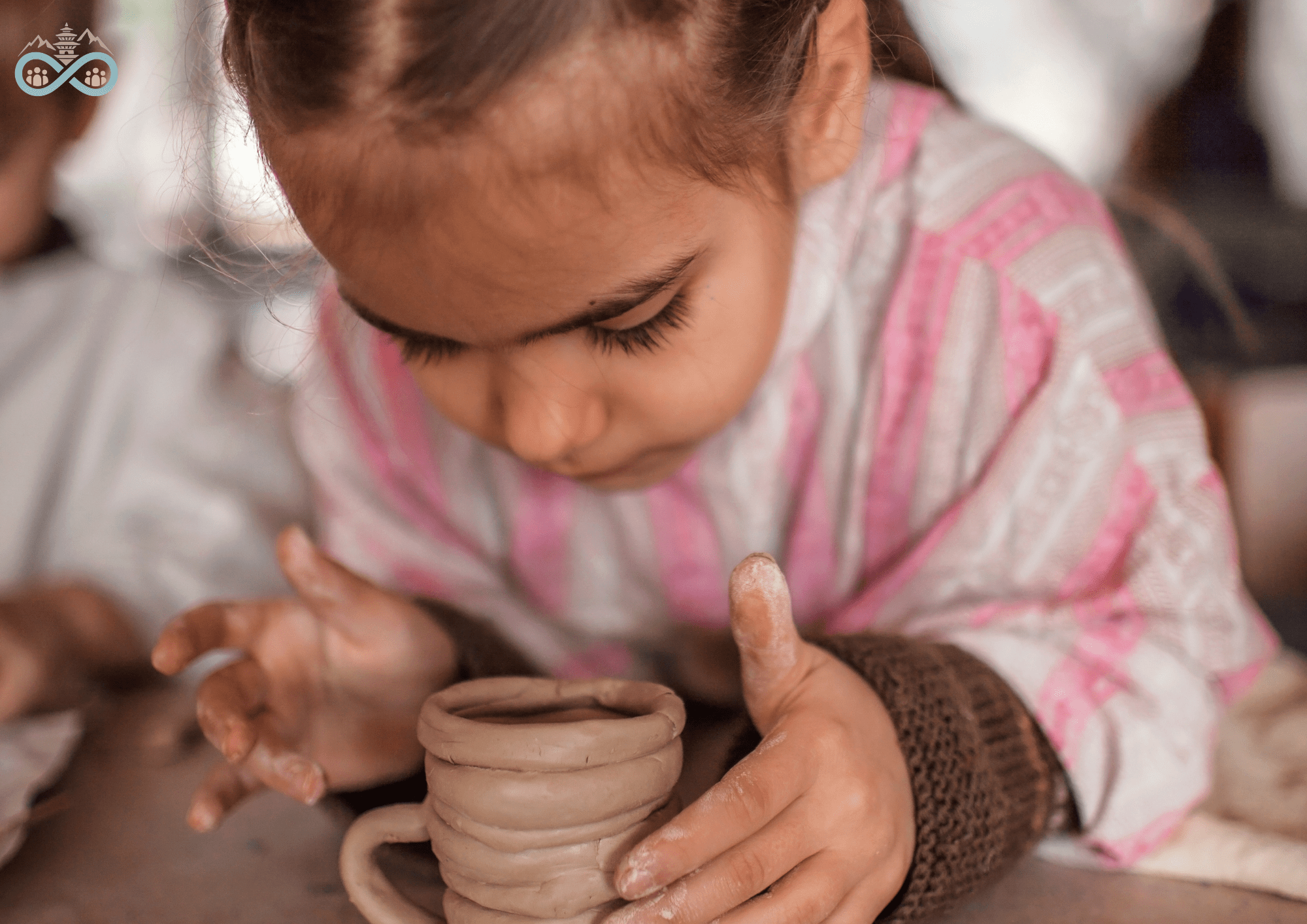
Hands of Heritage: Nepal's Craft and Creativity Journey
Explore Nepal's rich artistic traditions through a journey that connects you with skilled artisans, traditional workshops, and vibrant cultural communities. Dis...
Cuisine Discovery
Cuisine discovery in Nepal offers travelers an opportunity to explore the country's rich cultural diversity through its food traditions, ingredients, and cooking techniques. Influenced by geography, ethnicity, climate, and centuries of trade, Nepalese cuisine varies significantly from the high Himalayan regions to the fertile plains of the south. Every meal tells a story of local communities, seasonal produce, and traditions that have been preserved and refined over generations. Food experiences in Nepal extend far beyond dining, becoming an important gateway to understanding local culture and daily life. Travelers can enjoy traditional home-cooked meals, visit local markets, participate in cooking experiences, and discover regional specialties prepared using locally sourced ingredients and traditional methods. From mountain villages to bustling cities, each region offers unique flavors and culinary practices that reflect its history, environment, and cultural identity. Cuisine discovery also supports local farmers, family-run restaurants, food producers, and traditional culinary businesses throughout the country. Sharing meals with local communities creates opportunities for cultural exchange and meaningful connections while preserving traditional recipes and cooking knowledge for future generations. For many visitors, exploring Nepal through its food becomes one of the most memorable and authentic parts of their travel experience.
Cuisine Discovery in Nepal
- Cuisine discovery in Nepal offers travelers an opportunity to understand the country's diverse cultures, landscapes, and traditions through food and culinary experiences.
- The geographical diversity of Nepal, ranging from the Himalayan mountains to the hills and southern plains, has created a wide variety of regional cuisines and cooking styles.
- Nepalese food traditions have been influenced by indigenous communities, neighboring cultures, ancient trade routes, and centuries of cultural exchange.
- Every region of Nepal offers unique flavors, ingredients, cooking methods, and culinary customs that reflect local history and environmental conditions.
- Traditional meals are often prepared using fresh, locally sourced ingredients that are grown, harvested, or produced within the surrounding communities.
- Seasonal produce plays an important role in Nepalese cuisine, with menus and dishes often changing according to agricultural cycles and local availability.
- Travelers can experience authentic home-cooked meals that provide insight into family traditions, hospitality, and everyday life in Nepalese households.
- Local markets offer opportunities to discover fresh vegetables, spices, herbs, grains, fruits, and traditional food products used in regional cooking.
- Community-based tourism experiences often include cooking demonstrations and opportunities for visitors to participate in preparing traditional meals.
- Culinary experiences allow travelers to learn traditional cooking techniques that have been passed down through generations.
- Food in Nepal is closely connected to festivals, religious celebrations, seasonal events, and important social gatherings.
- Many traditional dishes carry cultural, spiritual, and symbolic significance that reflects local beliefs and community values.
- Mountain communities have developed distinctive cuisines that make use of locally available ingredients and are adapted to high-altitude environments.
- Hill regions offer a rich combination of grains, vegetables, herbs, and fermented foods that contribute to their unique culinary identity.
- The southern plains provide fertile agricultural land that supports a diverse range of vegetables, fruits, spices, and traditional recipes.
- Street food experiences allow visitors to observe daily urban life while sampling local snacks and popular regional specialties.
- Family-run restaurants and local eateries provide authentic dining experiences while supporting local entrepreneurship and livelihoods.
- Culinary tourism creates economic opportunities for farmers, food producers, restaurant owners, market vendors, and small businesses.
- Food experiences encourage meaningful interactions between travelers and local communities through shared meals and cultural exchange.
- Traditional food preservation methods such as drying, fermenting, smoking, and pickling continue to play an important role in local cuisine.
- Sustainable food practices and locally sourced ingredients help reduce environmental impacts associated with transportation and large-scale food production.
- Travelers can explore the relationship between food, geography, climate, and culture through regional culinary experiences.
- Nepal's ethnic diversity contributes to a remarkable variety of recipes, flavors, spices, and cooking traditions across different communities.
- Culinary experiences often become some of the most memorable parts of a journey because they engage taste, smell, culture, and human connection simultaneously.
- Food tourism encourages the preservation of traditional recipes and cooking knowledge that might otherwise disappear with modernization.
- Visitors gain a deeper appreciation for local lifestyles, agricultural traditions, and cultural heritage through cuisine discovery.
- Exploring Nepal through its food provides a unique perspective on the country's history, identity, and social traditions.
- Cuisine discovery transforms meals from simple dining experiences into opportunities for learning, storytelling, and cultural immersion.
- The richness and diversity of Nepalese cuisine make food an essential part of understanding and experiencing the country's living heritage and cultural landscape.
Cuisine Discovery
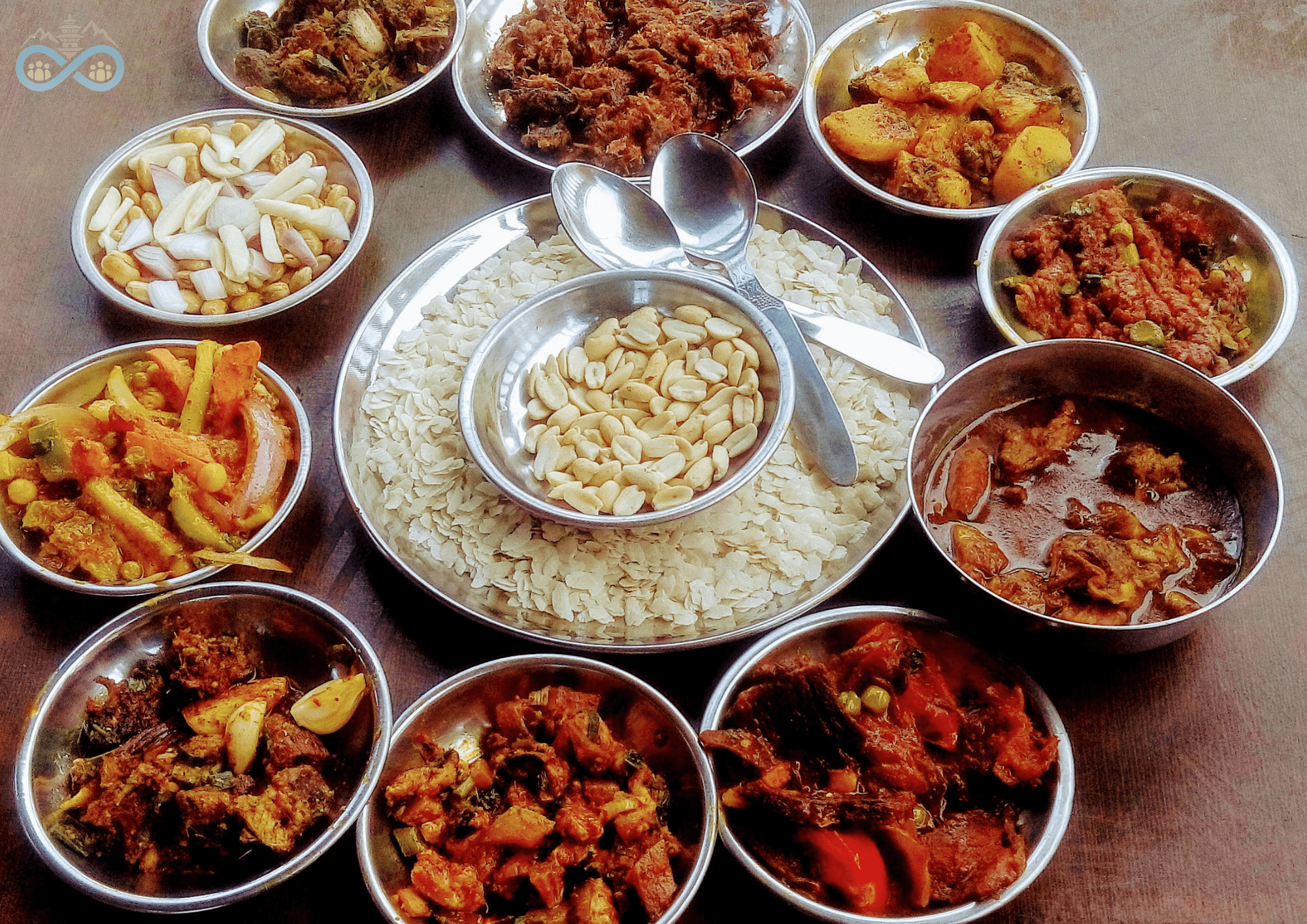
Nepal on a Plate: A Cultural Food Journey
Experience Nepal through its food, culture, and traditions. This culinary journey introduces travelers to authentic local dishes, traditional cooking methods, v...
Spiritual and Pilgrimage
Spiritual and pilgrimage travel in Nepal offers visitors an opportunity to explore a land where religion, culture, and daily life remain deeply connected. The country is home to sacred temples, monasteries, stupas, caves, and meditation centers that attract pilgrims and spiritual seekers from around the world. From ancient Hindu shrines to peaceful Buddhist monasteries, these sacred places provide spaces for reflection, prayer, learning, and inner peace while preserving traditions that have continued for centuries. Pilgrimage journeys in Nepal are often more than visits to religious sites, becoming meaningful experiences of devotion, self-discovery, and cultural understanding. Travelers participate in rituals, observe ceremonies, spin prayer wheels, light butter lamps, receive blessings, and engage with monks, priests, and local communities. These experiences offer valuable insight into the spiritual practices, beliefs, and philosophies that shape the country's identity and social life. Beyond religious significance, spiritual travel in Nepal also promotes personal well-being and mindfulness through meditation retreats, yoga programs, and quiet retreats surrounded by nature. The combination of sacred landscapes, mountain scenery, and centuries-old spiritual traditions creates an atmosphere that encourages contemplation and renewal. Whether motivated by faith, curiosity, or a search for inner balance, visitors often leave with a deeper appreciation of spirituality, culture, and human connection.
Spiritual and Pilgrimage Travel in Nepal
- Spiritual and pilgrimage travel in Nepal offers visitors the opportunity to explore one of the world's most culturally and spiritually rich destinations, where ancient traditions continue to shape daily life.
- Nepal is home to sacred Hindu temples, Buddhist monasteries, stupas, meditation caves, and pilgrimage routes that attract devotees, monks, scholars, and spiritual seekers from across the globe.
- Pilgrimage journeys provide opportunities for worship, prayer, reflection, and spiritual growth while connecting travelers with centuries of religious history and tradition.
- The country serves as an important meeting point of Hinduism and Buddhism, allowing visitors to experience two of Asia's most influential spiritual traditions in a single destination.
- Sacred temples and shrines provide spaces for rituals, offerings, blessings, and religious ceremonies that have remained largely unchanged for generations.
- Buddhist monasteries offer opportunities to observe monastic life, participate in prayers, listen to teachings, and gain insight into Buddhist philosophy and meditation practices.
- Spiritual travelers can join meditation retreats, mindfulness programs, and yoga sessions designed to promote mental clarity, emotional balance, and personal well-being.
- Pilgrimage routes often pass through mountains, forests, rivers, and valleys, creating a powerful connection between spirituality and the natural environment.
- Many travelers undertake spiritual journeys as a form of self-discovery, seeking peace, healing, personal transformation, and a deeper understanding of life.
- Religious festivals provide unique opportunities to witness colorful processions, sacred rituals, devotional music, dances, and traditional celebrations.
- Visitors can observe daily religious practices such as lighting butter lamps, offering flowers and incense, spinning prayer wheels, chanting mantras, and receiving blessings from spiritual leaders.
- Interactions with monks, priests, nuns, and local devotees provide valuable insight into spiritual beliefs, customs, and philosophical teachings.
- Pilgrimage tourism contributes to the preservation of temples, monasteries, historical monuments, and sacred sites of cultural and religious significance.
- Spiritual travel encourages respectful cultural exchange and promotes greater understanding between people from different backgrounds and beliefs.
- Ancient scriptures, legends, and oral traditions continue to influence pilgrimage experiences and provide historical context to sacred places.
- The peaceful atmosphere of monasteries and remote spiritual retreats offers visitors a break from modern distractions and fast-paced lifestyles.
- Mountain landscapes, sacred rivers, forests, and caves enhance the spiritual experience by creating environments that encourage contemplation and meditation.
- Many pilgrimage journeys involve walking or trekking, adding a physical dimension that complements the spiritual and emotional aspects of the experience.
- Spiritual tourism supports local communities through accommodation, guiding services, handicrafts, religious offerings, and cultural activities associated with pilgrimage destinations.
- The preservation of traditional rituals, architecture, music, and ceremonial practices is strengthened through continued pilgrimage and spiritual tourism.
- Travelers often develop a deeper appreciation for compassion, mindfulness, simplicity, and interconnectedness through their experiences.
- Spiritual and pilgrimage travel appeals not only to religious devotees but also to individuals interested in philosophy, culture, history, wellness, and personal development.
- The combination of sacred heritage, living traditions, and spectacular natural surroundings makes Nepal one of the world's most significant destinations for spiritual exploration and pilgrimage travel.
- These journeys frequently leave visitors with lasting memories, greater cultural understanding, and a renewed sense of purpose, reflection, and inner peace.
Spiritual and Pilgrimage
Pathways to Peace
Discover the spiritual essence of Nepal on this 10-day journey through sacred temples, ancient monasteries, peaceful meditation sites, and the birthplace of Lor...
Living Heritage
Living heritage travel in Nepal offers visitors the opportunity to experience traditions, customs, and cultural practices that continue to thrive as part of everyday life. Unlike heritage preserved only in museums or historical displays, Nepal's living heritage can be seen in its bustling marketplaces, traditional neighborhoods, religious ceremonies, artisan workshops, and community gatherings. Travelers become part of a living cultural landscape where history remains active and deeply connected to local identity. This form of travel allows visitors to witness centuries-old crafts, architecture, festivals, music, dance, and culinary traditions that have been passed down through generations. Ancient temples and courtyards continue to serve as places of worship, while traditional artisans maintain skills in wood carving, metalwork, pottery, weaving, and painting using techniques developed over hundreds of years. These experiences provide valuable insight into the cultural richness and diversity that define Nepalese society. Beyond cultural appreciation, living heritage travel supports local communities by creating economic opportunities linked to traditional knowledge and cultural preservation. By engaging with local guides, family-run businesses, and community initiatives, travelers contribute directly to safeguarding cultural practices for future generations. This approach to tourism promotes meaningful interactions, encourages cultural exchange, and ensures that Nepal's living traditions continue to flourish in a rapidly changing world.
Living Heritage Travel in Nepal
- Living heritage travel allows visitors to experience culture as a part of everyday life rather than as something preserved only in museums or historical exhibits.
- Nepal offers a unique opportunity to witness centuries-old traditions, customs, rituals, and social practices that continue to be actively practiced by local communities.
- Ancient temples, monasteries, courtyards, and traditional settlements remain important centers of religious, social, and cultural activities.
- Visitors can observe daily religious ceremonies, community gatherings, and seasonal rituals that have been maintained for generations.
- Traditional festivals continue to play an important role in community life, bringing together families and neighborhoods through celebrations, music, dance, and religious observances.
- Historic urban centers and traditional villages provide insight into architectural styles, settlement patterns, and cultural values that have evolved over centuries.
- Local communities continue to preserve indigenous languages, oral histories, folklore, and storytelling traditions that form an essential part of their cultural identity.
- Travelers can visit artisan workshops where traditional craftsmanship is still practiced using methods and skills passed down through generations.
- Wood carving, metalwork, pottery, weaving, stone carving, painting, and handmade textile production remain important cultural and economic activities in many communities.
- Traditional markets and bazaars offer opportunities to experience local commerce, food culture, social interactions, and community life in their authentic forms.
- Living heritage travel encourages direct engagement with local families, artisans, farmers, musicians, and cultural practitioners.
- Culinary traditions remain an important aspect of living heritage, allowing travelers to discover recipes, cooking techniques, and dining customs that reflect regional identities.
- Traditional attire, jewelry, ceremonial clothing, and craftsmanship continue to be used during festivals, weddings, and important social occasions.
- Religious and cultural monuments continue to function as active places of worship rather than simply historical landmarks.
- Travelers can gain insight into traditional farming methods, agricultural cycles, and rural lifestyles that have sustained communities for generations.
- Community celebrations often include traditional music, instruments, dance performances, and cultural expressions that reflect local history and identity.
- Indigenous knowledge related to architecture, medicine, agriculture, and environmental management remains an important part of local life.
- Living heritage tourism contributes to the preservation of traditional skills that might otherwise disappear due to modernization and urbanization.
- Tourism income generated through cultural experiences helps support artisans, performers, guides, and local businesses involved in heritage preservation.
- Cultural exchange between visitors and local communities promotes mutual understanding, respect, and appreciation for diverse traditions and ways of life.
- Responsible living heritage travel encourages visitors to respect local customs, religious practices, dress codes, and community values.
- Heritage tourism creates incentives for younger generations to learn and continue traditional crafts, arts, and cultural practices.
- Community participation ensures that cultural preservation remains locally led and reflects the values and aspirations of residents.
- Living heritage travel strengthens cultural pride and identity while helping communities maintain their unique traditions in a rapidly changing world.
- The combination of history, tradition, daily life, and community interaction creates authentic and meaningful travel experiences that extend beyond conventional sightseeing.
- Visitors often leave with a deeper understanding of the social, cultural, and historical forces that continue to shape Nepal and its diverse communities today.
- Living heritage travel demonstrates that culture is not only something inherited from the past but also something actively lived, shared, and renewed by each generation.
Living Heritage

Kathmandu’s Horizons
Discover Kathmandu’s blend of spirituality, culture, nature. Kirtipur’s cobblestone lanes, Bagh Bhairav Temple, serene Taudaha Lake. Swayambhunath, Boudhanath s...
Join The Nepal Calling Newsletter
Be the first to receive exclusive Nepal tour packages, trekking offers, travel tips, destination guides, and seasonal travel inspiration—delivered straight to your inbox.