Nepalcalling
Community and Sustainable Travel?
Community and sustainable travel in Nepal creates meaningful connections between visitors and local people while ensuring that tourism benefits remain within the communities that host travelers. Instead of focusing only on popular attractions, this form of travel encourages visitors to stay in locally owned accommodations, hire local guides, purchase handmade products, and experience authentic village life. By supporting local businesses and families, tourism becomes a source of income that strengthens rural economies and improves livelihoods across the country. Sustainable travel in Nepal also places great importance on protecting the natural environment and preserving cultural heritage for future generations. Travelers are encouraged to minimize waste, reduce the use of plastic, respect wildlife habitats, conserve water and energy, and follow responsible trekking and travel practices. These efforts help safeguard Nepal's fragile mountain ecosystems, forests, rivers, and biodiversity while maintaining the beauty and authenticity that attract visitors from around the world. Beyond economic and environmental benefits, community and sustainable travel promotes cultural exchange and mutual understanding between travelers and local communities. Visitors gain deeper insight into local traditions, festivals, cuisines, and daily life, while communities have opportunities to share and celebrate their unique identities with the world. This approach to tourism fosters respect, inclusiveness, and long-term sustainability, ensuring that travel contributes positively to both people and places while creating richer and more meaningful experiences for everyone involved.
Community and Sustainable Travel in Nepal
- Community and sustainable travel ensures that tourism revenue directly benefits local families, small businesses, and rural communities rather than leaving the destination through large international operators.
- Travelers are encouraged to stay in locally owned guesthouses, homestays, eco-lodges, and family-run accommodations that provide authentic hospitality while supporting local employment and entrepreneurship.
- Hiring local guides, porters, drivers, and cultural interpreters creates valuable job opportunities and allows visitors to gain deeper insights into local traditions, history, and lifestyles.
- Purchasing locally produced handicrafts, textiles, artwork, agricultural products, and souvenirs helps preserve traditional skills and provides important income for artisans and craftsmen.
- Community-based tourism encourages travelers to participate in village life through cultural exchanges, farming activities, cooking experiences, traditional music, dance performances, and local festivals.
- Sustainable tourism promotes responsible use of natural resources by encouraging the conservation of water, energy, forests, and fragile mountain ecosystems.
- Travelers are encouraged to reduce plastic consumption by carrying reusable water bottles, shopping bags, and refillable containers during their journeys.
- Proper waste management practices, including carrying out non-biodegradable waste and minimizing litter, help protect trekking routes, villages, rivers, and natural landscapes.
- Responsible trekking and adventure activities contribute to the preservation of fragile alpine environments and reduce pressure on sensitive ecosystems.
- Sustainable travel supports conservation initiatives that protect wildlife habitats, endangered species, forests, wetlands, and biodiversity throughout the country.
- Tourism businesses increasingly adopt environmentally friendly practices such as solar energy, waste recycling, water conservation systems, and locally sourced food products.
- Community tourism helps reduce economic migration from rural areas by creating employment opportunities within villages and smaller towns.
- Cultural preservation is a major benefit of sustainable travel, as local communities are encouraged to maintain traditional architecture, customs, languages, rituals, and crafts.
- Visitors gain opportunities to learn about indigenous cultures, local traditions, spiritual practices, and centuries-old ways of life that are often overlooked in conventional tourism.
- Smaller group sizes and slower travel styles reduce environmental impact while creating more meaningful and immersive travel experiences.
- Sustainable tourism encourages respect for local customs, dress codes, religious sites, and social values, fostering positive relationships between visitors and host communities.
- Community tourism often supports local schools, healthcare facilities, conservation projects, and infrastructure development through tourism-generated income.
- Many rural tourism initiatives empower women and marginalized groups by creating new opportunities in hospitality, guiding, handicrafts, and small business management.
- Travelers benefit from authentic experiences that go beyond sightseeing, developing stronger emotional connections with destinations and local people.
- Community and sustainable travel helps ensure that future generations can continue to enjoy the natural beauty, cultural richness, and traditional heritage that make Nepal a unique destination for global travelers.
Most Popular Community and Sustainable Travel Activities
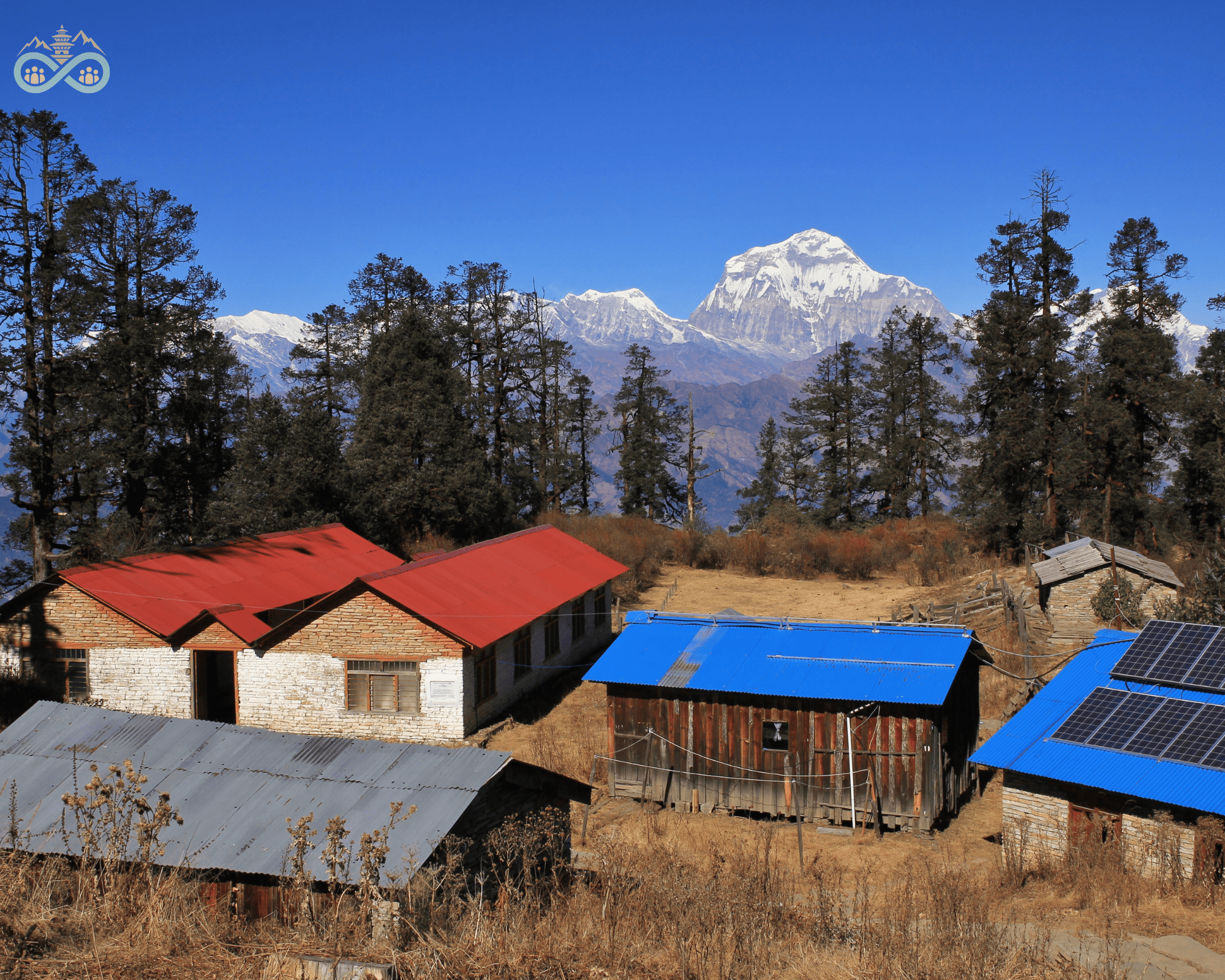
Nepal Through Local Eyes
Nepal Through Local EyesNepal reveals itself differently when experienced through the lives of the p...
Join The Nepal Calling Newsletter
Be the first to receive exclusive Nepal tour packages, trekking offers, travel tips, destination guides, and seasonal travel inspiration—delivered straight to your inbox.