Nepalcalling
The Himalaya at Its Most Absolute
There is a moment — usually around the fourth or fifth day on the trail — when Everest first appears. Not dramatically, not all at once. A dark pyramid emerges between ridgelines, impossibly high, dusted in a thin veil of blown snow. You stop. Everything else recedes. For a few seconds, the trail, your pack, your tired legs — none of it matters. You are simply standing in front of the highest point on Earth, and it is real. The Everest Region is not just a trek to a famous mountain. It is a slow, deliberate immersion into one of the most extraordinary places human beings can reach on foot. The Khumbu valley carries you upward through Buddhist monasteries perched on clifftops, through rhododendron forests that open into pine, through yak pastures that eventually give way to glacial moraines and the cold silence of the high Himalaya. Some journeys are about the destination. This one is about everything that happens on the way there. And almost every step of it stays with you.
Quick facts
- Location: Solukhumbu District, Sagarmatha Zone, northeastern Nepal. Part of Sagarmatha National Park, a UNESCO World Heritage Site.
- Key Peaks & Landmarks: Mount Everest (8,849 m), Lhotse (8,516 m), Nuptse (7,861 m), Ama Dablam (6,812 m), Cho Oyu (8,188 m), Island Peak (6,189 m).
- Elevation Range: Approximately 2,800 m at Lukla to 5,545 m at Kala Patthar and 5,364 m at Everest Base Camp.
- Best Seasons: March to May (spring) and late September to November (autumn).
- Access: Short flight from Kathmandu to Lukla (Tenzing-Hillary Airport), or overland via Salleri for the classic walking approach.
- Accommodation: Sherpa-run tea houses, upgraded lodges with heated dining rooms, and a small number of premium mountain lodges.
- Trek Difficulty Range: Moderate (Namche Bazaar circuits) to Strenuous (Everest Base Camp with Kala Patthar) to Technical (Island Peak summit).
A Region of Vertical Worlds
The Khumbu does not reveal itself gradually. It unveils itself in stages, each one more arresting than the last, and each one earned through your own effort. Most journeys into the Everest Region begin at Lukla, where a short mountain airstrip sits on a hillside at nearly 2,800 meters. From the moment you step off the plane, the air is different — thinner, crisper, carrying a faint scent of pine and cold stone. The trail drops briefly before climbing again, following the Dudh Koshi River through forests alive with the sounds of rushing water. The first major landmark is Namche Bazaar, a horseshoe-shaped market town wedged into a hillside at 3,440 meters. It serves as the commercial and cultural heart of the Khumbu — a place of bakeries and gear shops, of satellite phones and centuries-old trading traditions. Above Namche, the scale begins to shift. Peaks that seemed high from below now form the middle distance, and the true giants slowly reveal themselves beyond. The landscape between Namche and Tengboche carries a particular kind of beauty. Forests of pine and juniper give way to open ridgelines. Prayer wheels line the trail. Below, river valleys drop sharply into shadow while ridges above catch the last afternoon light. At Tengboche Monastery, the highest monastery of its kind in the world, the mountains arrange themselves around you with an almost theatrical precision: Everest and Lhotse to the north, Ama Dablam rising like a cathedral spire to the east. Above Tengboche, the landscape tightens. The vegetation thins. Villages become smaller, sturdier, built from the same dark stone as the mountains around them. In Dingboche and Lobuche, the cold arrives with intention. Stars appear with a clarity rarely seen at lower altitudes. The final approach to Everest Base Camp crosses the Khumbu Glacier, threading between seracs and boulders in a landscape that belongs to a different geological era. Base Camp itself is not a viewpoint but a place — a flat, rocky expanse where expeditions have launched since 1953, surrounded by mountains so large they alter your sense of proportion permanently. To stand there, regardless of your background or experience, is to understand something about what human ambition and the natural world actually look like in conversation.
Major Highlights
Challenging Trekking
Challenging trekking in Nepal offers experienced travelers the opportunity to explore some of the world's most dramatic mountain landscapes while testing their physical endurance and mental resilience. These treks often involve high-altitude trails, steep ascents and descents, remote terrain, and longer walking days that require good preparation and fitness. The sense of achievement that comes from reaching mountain passes, remote valleys, and panoramic viewpoints makes these journeys especially rewarding for adventure enthusiasts. Beyond the physical challenge, demanding trekking routes provide access to some of Nepal's most isolated and culturally rich regions. Trekkers pass through traditional villages, ancient monasteries, high mountain settlements, and landscapes that remain largely untouched by modern development. The experience combines breathtaking Himalayan scenery with meaningful cultural encounters, allowing travelers to gain a deeper understanding of mountain communities and their unique ways of life. Challenging trekking also offers powerful personal rewards, including increased confidence, self-discovery, and a strong connection with nature. Days spent crossing rugged terrain, adapting to changing weather conditions, and overcoming physical obstacles often become transformative experiences that remain memorable long after the journey ends. For many trekkers, these adventures represent not only a physical expedition but also a journey of personal growth, resilience, and exploration.
Challenging Trekking in Nepal
- Challenging trekking in Nepal offers experienced adventurers the opportunity to explore some of the most spectacular and remote mountain landscapes on Earth.
- These treks are designed for travelers seeking greater physical challenges, higher elevations, longer trekking days, and more demanding terrain.
- Routes often involve steep ascents and descents, rugged trails, rocky paths, glacier crossings, and high mountain passes.
- Many challenging treks reach significant altitudes where proper acclimatization becomes essential for safety and success.
- Trekkers are rewarded with breathtaking views of some of the world's highest Himalayan peaks and dramatic mountain scenery.
- Remote valleys, alpine meadows, glacial lakes, and untouched wilderness areas create unforgettable trekking experiences.
- Challenging routes often pass through isolated regions that remain relatively unaffected by modern development and mass tourism.
- These journeys provide opportunities to experience authentic mountain cultures and traditional ways of life in remote communities.
- Trekkers frequently encounter ancient monasteries, prayer walls, chortens, and sacred sites that reflect the spiritual traditions of Himalayan communities.
- Long trekking days require endurance, determination, and consistent physical effort throughout the journey.
- Variable weather conditions, changing temperatures, and high-altitude environments add complexity and excitement to the experience.
- Proper preparation, physical fitness, and suitable equipment are important factors for completing demanding trekking routes successfully.
- Acclimatization days are often incorporated into itineraries to reduce altitude-related risks and improve overall comfort.
- Experienced local guides play an essential role in navigation, safety management, cultural interpretation, and logistical support.
- Porters and support staff contribute significantly to the success of expeditions while supporting local economies and livelihoods.
- Challenging trekking encourages mental resilience, patience, adaptability, and problem-solving skills in changing mountain conditions.
- Completing difficult sections of trail often creates a strong sense of accomplishment and personal satisfaction.
- High mountain passes frequently provide some of the most memorable panoramic views found anywhere in the Himalayas.
- Remote campsites and mountain lodges offer unique opportunities to experience the silence and beauty of the high mountains.
- Wildlife observation opportunities may include mountain birds, alpine species, and animals adapted to high-altitude environments.
- Trekking through diverse ecological zones allows travelers to witness changing vegetation, landscapes, and climatic conditions.
- Challenging treks often require longer travel durations, allowing deeper immersion into both nature and local cultures.
- Adventure travelers frequently view these treks as major personal achievements and important life experiences.
- The physical demands of the journey often lead to increased confidence, discipline, and self-awareness.
- Many trekkers describe difficult mountain journeys as transformative experiences that extend beyond physical adventure.
- Responsible trekking practices are essential for protecting fragile mountain ecosystems and maintaining trail sustainability.
- Trekking tourism generates important income for remote communities through guiding, accommodation, transportation, and food services.
- Sustainable expedition practices help preserve natural environments and cultural heritage for future generations.
- Challenging trekking appeals to individuals seeking exploration, adventure, personal growth, and deeper engagement with nature.
- The combination of physical endurance, cultural immersion, and Himalayan scenery creates experiences that remain memorable for a lifetime.
- For many adventurers, completing a challenging trek in Nepal represents not only reaching a destination but also overcoming personal limits and discovering new strengths.
Challenging Trekking
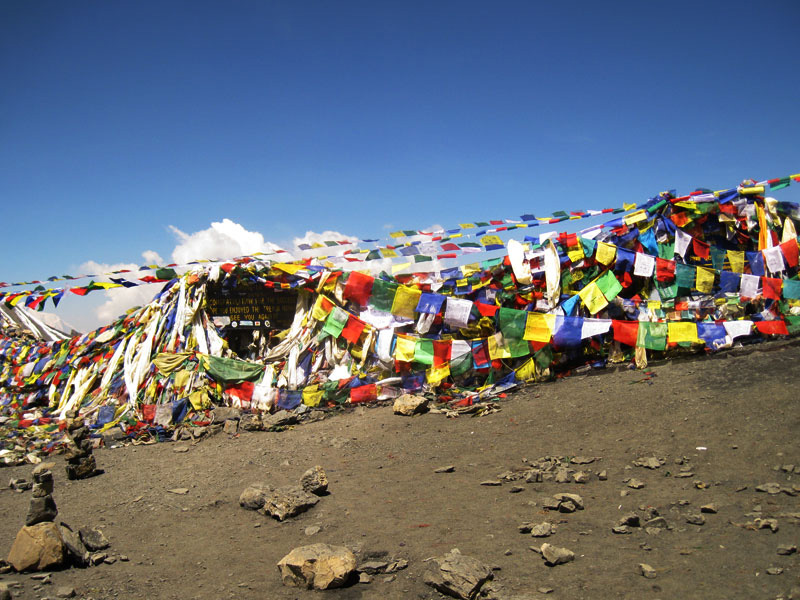
Annapurna Circuit Trek
Annapurna Circuit Trek: Nepal’s classic route spans 131km—subtropical Besisahar valleys to alpine meadows, Thorong La Pass (5,416m). Panoramic Annapurna, Dhaula...

Roof of the World Trek
The Everest Base Camp Trek is a thrilling, endurance-testing adventure blending rich Sherpa culture with stunning Himalayan grandeur. Starting with a flight to...

Everest’s Blue Mirror
The trek begins with a Kathmandu-Lukla flight. Trek 8km to Phakding through forests, Sherpa villages, and Dudh Koshi. Namche Bazaar (3,440m) offers Everest, Lho...
Join The Nepal Calling Newsletter
Be the first to receive exclusive Nepal tour packages, trekking offers, travel tips, destination guides, and seasonal travel inspiration—delivered straight to your inbox.