Nepalcalling
Altitude
5,357m
Co-ordinates
27° 58' 49" N, 86° 40' 07" E
Duration
Best Season
Mar-May, Sep-Nov
Activity
5-7 hours walk per day
Trip Grade
moderate to challenging

Trip Overview
The trek starts with a 30-minute flight from Kathmandu to Lukla (2,860m).Which is a stunning flight over the Himalayas. 8 km drive by Lukla transporters in 3-4 hours’ drive to Phakding (2,610m). The trek passes through thick forest, Sherpa villages, and peaceful Dudh Koshi River, and mani walls, prayer flags, and monasteries along the way. Trekkers along the way are welcomed by towering Kusum Kanguru and Thamserku mountains. The Phakding trail goes on by a 6-7 hour, 11 km stone climb to Namche Bazaar (3,440m). The route climbs through pine forest and suspension bridges over Dudh Koshi River, steeply climbing to Namche, the Khumbu district’s trading center. Bustling Sherpa village of great historic importance, painted houses, and market offers first good glimpse of Everest, Lhotse, and Nuptse. Trekkers unwind at acclimatization in Namche Bazaar by basking in the stunning sight of Everest and surrounding peaks from the Everest View Hotel or by engaging in rich culture at Khumjung village, Khunde Hospital, and Khumjung Monastery. Trekkers can shop at busy Namche bazaar too. Taking the trek, the trekking path is a 6-7 hour, 11 km trek from Namche Bazaar to Dole (4,200m). The trek goes through rhododendron and tiny Sherpa villages, with spectacular views of Ama Dablam, Everest, Lhotse, and Nuptse as one goes higher. Dole trekkers 4-5 hours, 6 km trek to Machhermo (4,470m). Cho Oyu’s sweeping views, glaciers, and views of Dudh Koshi Valley, by Sherpa-like villages where Cho Oyu’s snow top and Kangtega’s top bow across the horizon. Hike to Gokyo (4,790m), 7 km in 4-5 hrs. Breathtaking ridge walk along Ngozumpa Glacier to the glimmering Gokyo Lakes. Encircled by giants Cho Oyu, Everest, Lhotse, Makalu, and Nuptse, fairyland beauty to all vistas. The most evocative experience of the trek is Gokyo Ri (5,357m) dawn climb, a 4-5 hour climb which gives the trekkers a bird’s eye vision of Everest, Lhotse, Makalu, Cho Oyu, and other Himalayan giants. There are wave prayer flags at the summit, adding a religious and scenic dimension too. Trekkers descend another 2-3 hours, with sweet memories of divine landscapes etched on their minds. Return is a 6-7 hour downhill trek of 16 km to Namche Bazaar (3,440m) and is equally spectacular and culturally satisfying scenery as the climb. Final leg is an 18 km trek from Namche Bazaar to Lukla and takes six to seven hours to reach. Trekking holiday concludes here. The trek concludes with a 30-minute flight from Lukla to Kathmandu (1,400m). Far in the distance, on a clear day, is the final stunning view of the Himalayas. Adventure trekkers are once again in the capital and can go on to explore cultural attractions, sample local cuisine, or simply relax from their great adventure.
Detailed Itinerary
Arrival in Kathmandu (1,350m)
Your journey begins in Kathmandu, a city where ancient temples and modern life exist side by side. Upon arrival at Tribhuvan International Airport, you’ll be transferred to your hotel and given time to settle in after your flight. Later in the day, there will be a detailed trek briefing where your guide will walk you through the itinerary, check your gear, and ensure all necessary permits are in place. If time and energy allow, you can step out to explore parts of the Kathmandu Valley, whether it’s wandering through lively streets, visiting nearby heritage sites, or simply soaking in the atmosphere before your adventure into the mountains begins.
Fly to Lukla (2,800m) and trek to Phakding (2,610m)
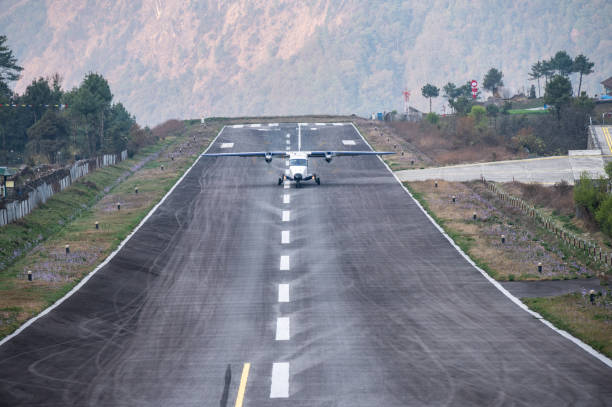
Day two begins with an early morning transfer to the airport for a short but memorable flight to Lukla, one of the most dramatic mountain airstrips in the world. The 30-minute journey offers sweeping views of the Himalayas before landing at Tenzing-Hillary Airport. After meeting the trekking crew and organizing your gear, the trail gently descends toward Phakding. The 3–4 hour walk is relatively easy, following the banks of the Dudh Koshi River, crossing suspension bridges and passing through small Sherpa villages, mani stones, and pine forests. The day ends with an overnight stay in Phakding, where you can relax and enjoy your first evening in the Khumbu region.
Trek to Namche Bazaar (3,440m)
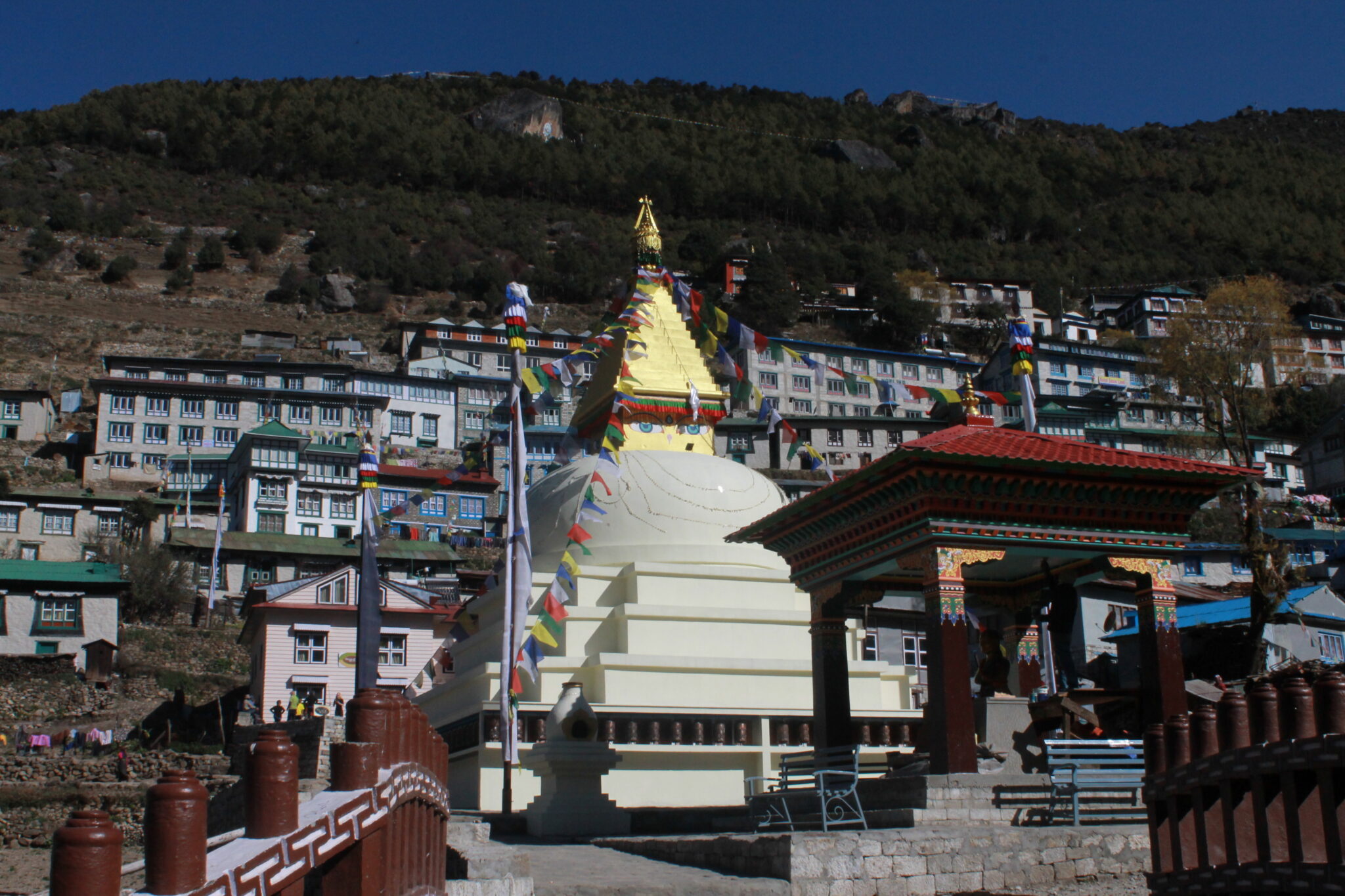
Day three is a steady and rewarding trek toward Namche Bazaar, the main trading hub of the Everest region. The 5–6 hour walk follows the Dudh Koshi River, crossing several suspension bridges, including the famous Hillary Bridge, before entering Sagarmatha National Park. From here, the trail climbs gradually through pine forests and small settlements, with the altitude becoming more noticeable. On a clear day, you’ll catch your first distant glimpse of Mount Everest along the way, a moment that often stays with trekkers. The final ascent into Namche is challenging but rewarding, leading you into a lively Sherpa town filled with cafes, shops, and mountain views, where you’ll spend the night acclimatizing.
Acclimatization Day in Namche Bazaar
Day four is set aside for acclimatization in Namche Bazaar, an essential step to help your body adjust to the increasing altitude. Rather than staying completely idle, you can take a short hike to higher elevations, such as the trail leading to Everest View Hotel for panoramic Himalayan views, or visit Khumjung Village, known for its cultural richness and traditional lifestyle. After returning to Namche, you can spend time exploring local shops, bakeries, and small museums that offer insight into Sherpa heritage and mountaineering history. The day also provides an opportunity to learn about ongoing conservation and development efforts within Sagarmatha National Park, including initiatives focused on mountain preservation, sustainable tourism, and environmental protection, giving a broader perspective on the region beyond trekking.
Trek to Dole (4,038m)
Day five takes you away from the busy Everest Base Camp route as you branch off toward the quieter Gokyo Valley, heading to Dole. The 5–6 hour trek begins with a gradual climb out of Namche Bazaar, following a scenic trail that winds through rhododendron and birch forests. As you gain altitude, the landscape opens up, offering clear views of towering peaks like Thamserku and Cho Oyu. The trail is quieter and more serene compared to the main route, passing through small settlements and grazing pastures before reaching Dole, where you’ll settle in for the night surrounded by high mountain scenery.
Trek to Machhermo (4,470m)
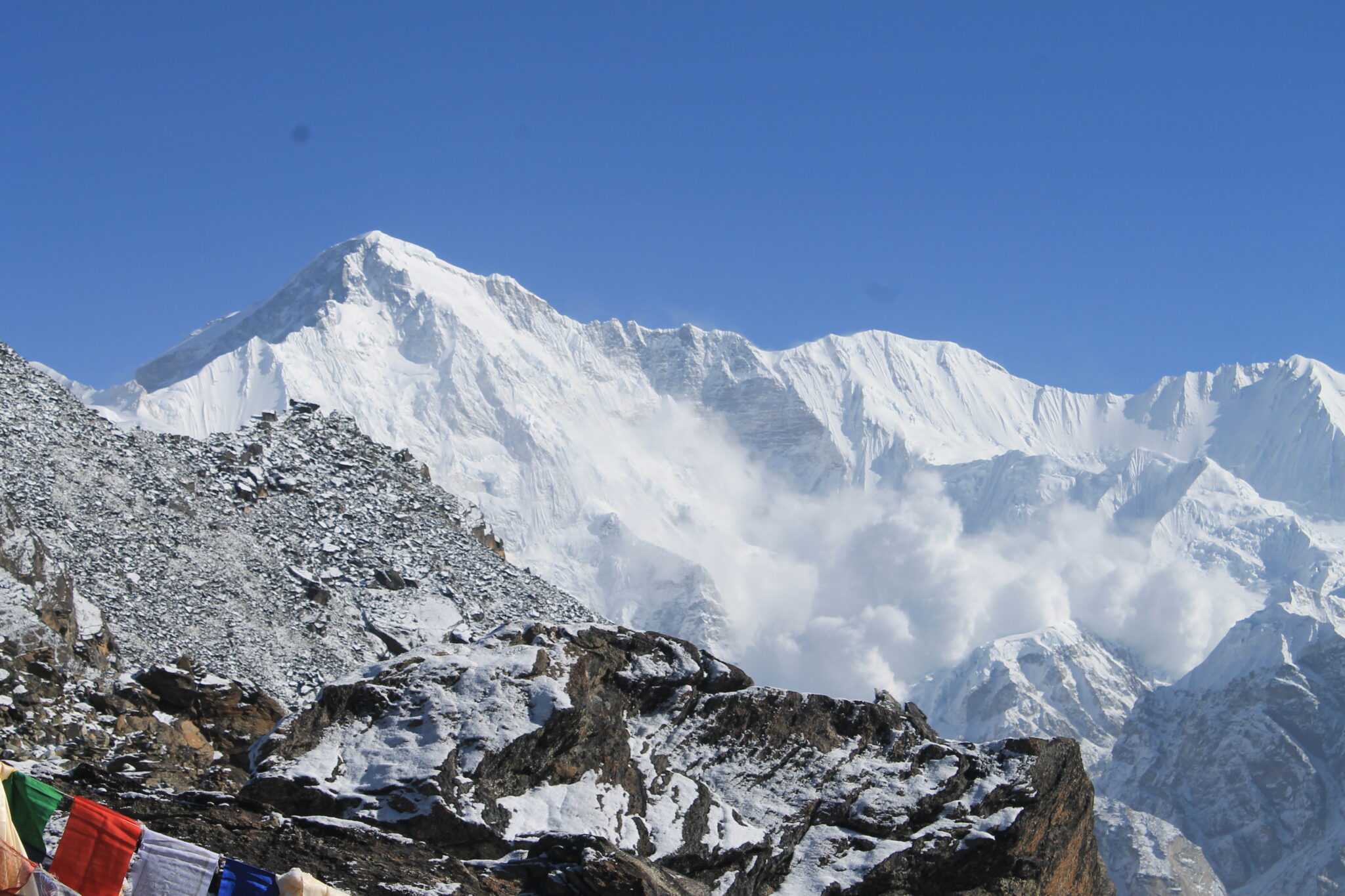
Day six is a shorter but steady climb as you continue deeper into the Gokyo Valley, heading toward Machhermo. The 4–5 hour trek follows a gradual ascent above the tree line, with the landscape becoming more open and rugged. Along the way, you’re treated to increasingly clear views of Cho Oyu, its massive presence dominating the skyline. The trail passes through small yak pastures and scattered settlements before reaching Machhermo, a quiet high-altitude village. Here, you can visit the local rescue post, run with support from the Himalayan Rescue Association, where trekkers receive valuable information about altitude sickness, prevention, and safety in the mountains.
Trek to Gokyo (4,800m)
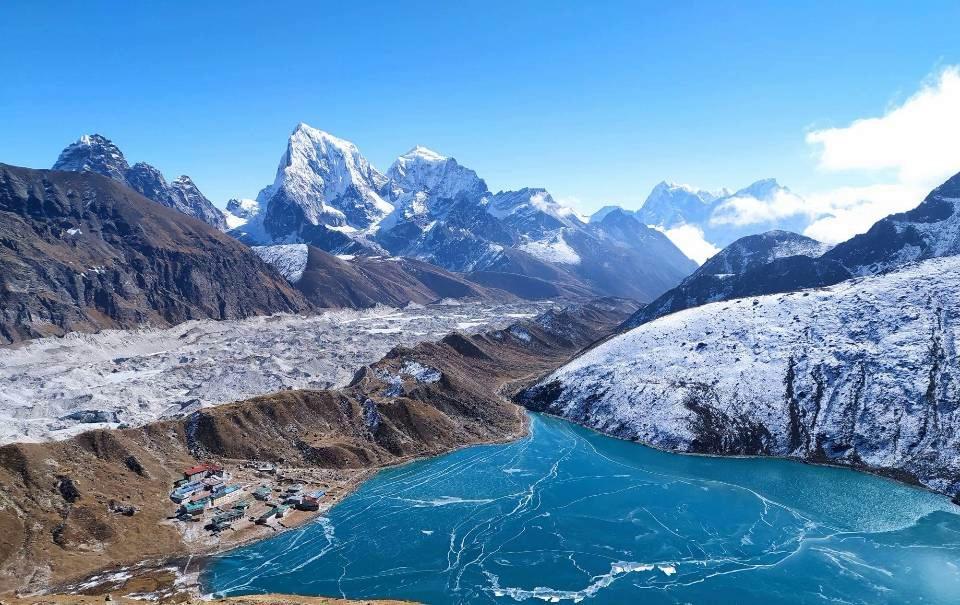
Day seven brings you closer to the heart of the Gokyo Valley as you make your way to Gokyo. The 4–5 hour trek gradually ascends over glacial terrain, with the landscape becoming more dramatic and open. Along the route, you pass the series of pristine Gokyo Lakes, beginning with the first and second lakes before reaching the striking third lake, known for its deep turquoise color. Set against a backdrop of snow-covered peaks and rocky ridges, the scenery feels remote and almost surreal. By the time you arrive in Gokyo Village, located beside the shimmering Third Lake, the stillness of the surroundings and the reflection of the mountains on the water create a memorable high-altitude experience, where you will stay overnight.
Acclimatization Day in Gokyo – Hike to Gokyo Ri (5,357m)
Day eight is another important acclimatization day in Gokyo, highlighted by an early morning hike to Gokyo Ri. The climb is steep but rewarding, especially at sunrise, when the Himalayan range slowly lights up to reveal a sweeping panorama that includes Mount Everest, Lhotse, Makalu, and Cho Oyu. After spending time at the summit taking in the views, you descend back to Gokyo for rest and recovery. The rest of the day can be used to explore the surrounding Gokyo Lakes and nearby glaciers, offering a quieter and less crowded experience compared to the main Everest trails.
Trek to Dole
Day nine marks the beginning of your return journey as you leave Gokyo and descend back toward Dole. The 5–6 hour trek retraces the same scenic route, but the experience feels different as you move downhill through wide alpine meadows and along gentle slopes. Passing by the serene Gokyo Lakes once more, you continue along trails lined with grazing yak pastures, small waterfalls, and scattered settlements. With the altitude gradually decreasing, breathing becomes easier, allowing you to walk at a more relaxed pace before reaching Dole for an overnight stay.
Trek to Namche Bazaar
Day ten continues your descent as you make your way back to Namche Bazaar. The 5–6 hour trek follows a familiar trail, gradually dropping in altitude through rhododendron and pine forests, with occasional views of the surrounding peaks. Along the way, you pass small Sherpa settlements and grazing areas, giving a closer look at daily life in the high Himalayas. The easier breathing and warmer air make the walk more comfortable compared to earlier days, and by the time you arrive in Namche, the lively atmosphere of this mountain hub feels both welcoming and familiar after days spent in more remote terrain.
Trek to Lukla
Day eleven is your final day on the trail as you make your way back to Lukla. The 6–8 hour trek retraces the familiar route through the Dudh Koshi Valley, crossing suspension bridges, passing through small villages, and walking alongside the river that has guided much of your journey. With the altitude steadily decreasing, the walk feels more relaxed, giving you time to reflect on the experience and the landscapes you’ve passed through. Upon reaching Lukla, there’s a sense of completion in the air, and the evening is often spent celebrating the successful trek with your team, sharing stories from the journey in the heart of the Himalayas.
Fly to Kathmandu
Day twelve begins with a short flight from Lukla back to Kathmandu, offering one last aerial view of the Himalayas. The 30-minute journey feels both scenic and reflective after days spent in the mountains. Upon arrival, you’ll be transferred to your hotel where you can rest and recover from the trek. Later, if you feel up to it, you can head out to explore Thamel, a lively area known for its shops, cafes, and vibrant atmosphere, making it a good place to pick up souvenirs and enjoy your final moments in Nepal.
Photo Gallery
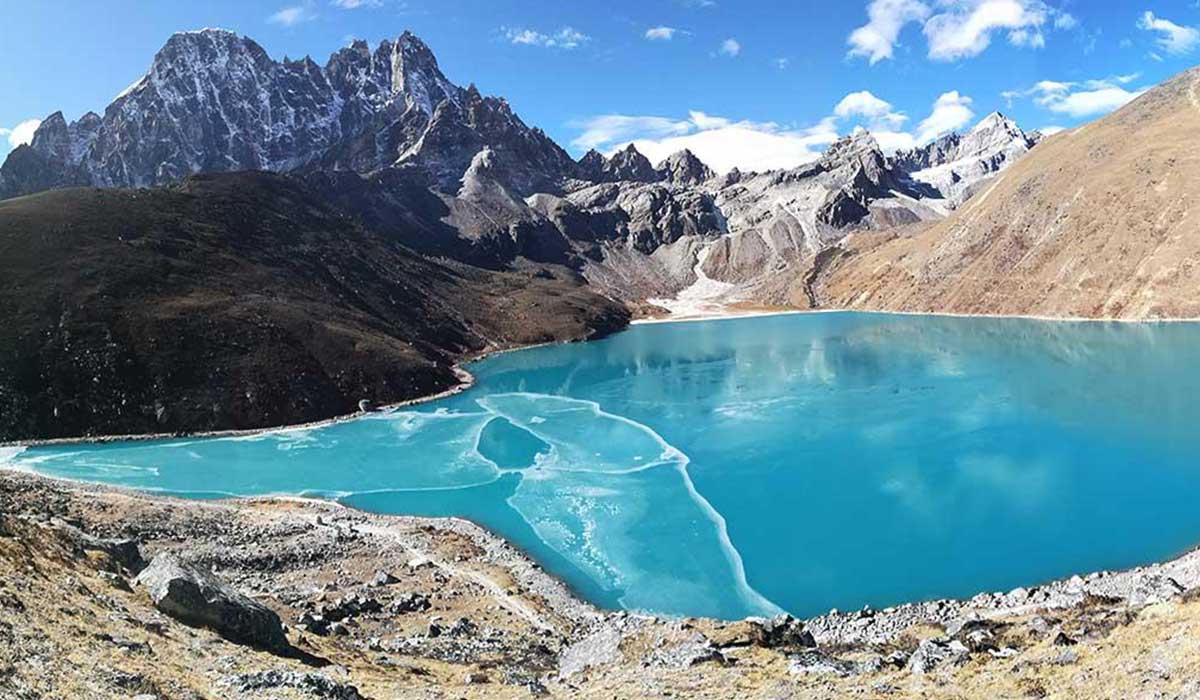
Everest’s Blue Mirror
Trek Highlights
- Scenic mountain flight to Lukla, one of the most thrilling air routes in the Himalayas
- Trek through the heart of Sagarmatha National Park, rich in natural beauty and biodiversity
- Explore the vibrant Sherpa hub of Namche Bazaar
- Follow the quieter and less crowded trail into the Gokyo Valley
- Witness the pristine turquoise waters of the Gokyo Lakes
- Hike to Gokyo Ri for panoramic sunrise views of Everest, Lhotse, Makalu, and Cho Oyu
- Enjoy close-up views of towering peaks including Mount Everest and Cho Oyu
- Experience authentic Sherpa culture, traditions, and mountain lifestyle
- Walk along suspension bridges and scenic trails beside the Dudh Koshi River
- Balanced itinerary with proper acclimatization for a safer and more comfortable trekking experience
Culture & Spiritual Heritage
- The Khumbu region is home to the Sherpa community, whose culture is deeply rooted in Tibetan Buddhism, reflected in daily life, rituals, and mountain reverence.
- Prayer flags, mani stones, and chortens line the trekking trails, symbolizing peace, compassion, and spiritual protection f moving through the Himalayas.
- Namche Bazaar serves not only as a trading hub but also as a cultural center where traditions, festivals, and local lifestyles remain strong despite growing tourism.
- Monasteries such as Tengboche Monastery play a central role in spiritual life, hosting prayers, ceremonies, and festivals like Mani Rimdu.
- The mountains, especially Mount Everest, are considered sacred rather than just physical peaks, believed to be the abode of deities and spiritual energy.
- Traditional Sherpa homes, hospitality, and food culture reflect a simple, community-oriented way of life shaped by high-altitude living.
- The Gokyo Lakes hold religious significance for both Buddhists and Hindus, often visited during special occasions for spiritual cleansing.
- Seasonal festivals, rituals, and daily prayer practices highlight a strong connection between nature, spirituality, and human life in the Himalayas.
What's Included
- Airport transfers in Kathmandu (pickup and drop-off)
- Domestic round-trip flights between Kathmandu and Lukla
- All necessary trekking permits, including entry to Sagarmatha National Park and local municipality fees
- Accommodation in teahouses during the trek (twin-sharing basis)
- Meals during the trek (breakfast, lunch, and dinner)
- Experienced, licensed trekking guide
- Trek briefing, route planning, and basic first aid support
- Government taxes and service charges
- Accommodation in Kathmandu (as per itinerary, usually with breakfast)
What's not Included
- International airfare to and from Kathmandu
- Nepal entry visa fees
- Travel insurance (including high-altitude evacuation and medical coverage)
- Personal trekking gear (down jacket, sleeping bag, trekking poles, etc.)
- Meals in Kathmandu (except breakfast, if hotel is included)
- Extra snacks, beverages, and bottled drinks during the trek
- Hot showers, Wi-Fi, battery charging, and other personal services in teahouses
- Tips for guides and porters (customary but not mandatory)
- Personal expenses such as laundry, phone calls, and shopping in places like Thamel
- Costs arising from unforeseen situations such as flight delays, weather conditions, or itinerary changes
- Emergency rescue and evacuation costs (unless covered by your insurance)
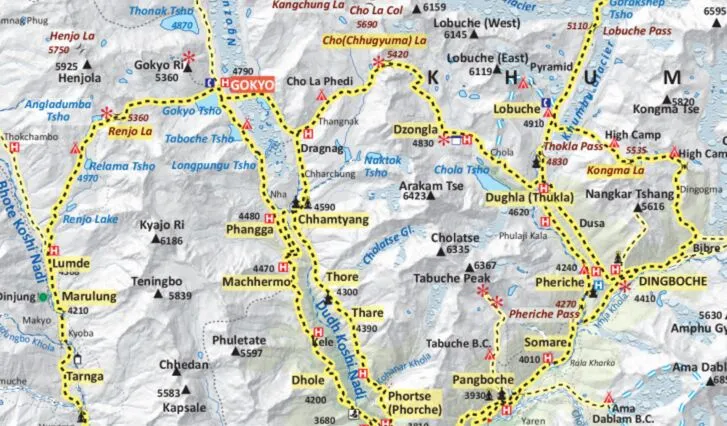
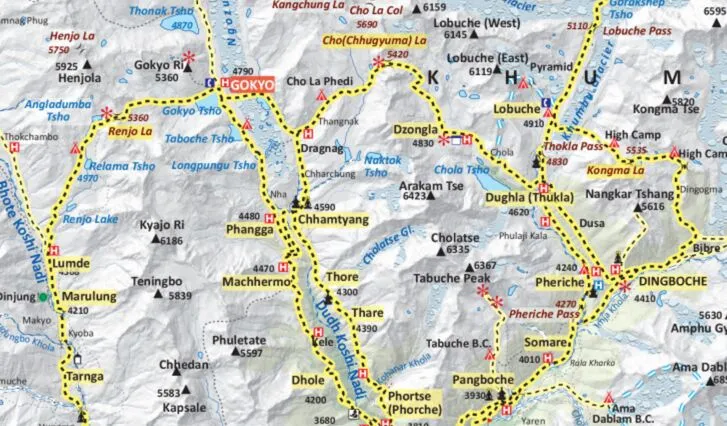
Tour Map
Frequently Asked Questions
The trek is considered moderate to challenging. While there are no technical climbing sections, the high altitude and long walking hours make it physically demanding.
The highest point is Gokyo Ri at 5,357 meters, which offers panoramic Himalayan views.
Previous trekking experience is helpful but not mandatory. A good level of fitness, stamina, and mental preparation is important.
You need a Sagarmatha National Park entry permit and a Khumbu Pasang Lhamu Rural Municipality permit to enter the Sagarmatha National Park region.
Yes, altitude sickness is a real risk above 3,000 meters. Proper acclimatization days in Namche Bazaar and Gokyo help reduce this risk.
The best seasons are spring (March to May) and autumn (September to November), when the weather is stable and mountain views are clear.
Teahouses are available throughout the route, offering basic but comfortable rooms and meals.
No, the Gokyo Valley route is quieter and less crowded compared to the Everest Base Camp trail, especially after leaving Namche Bazaar.
You’ll find a mix of local Nepali dishes like dal bhat, as well as international options such as pasta, noodles, and soups.
The highlight of this trek is the stunning Gokyo Lakes and the panoramic viewpoint from Gokyo Ri, offering a quieter and more scenic alternative to Everest Base Camp.
Book This Trip
Contact Information
info@nepalcalling.com
nepalcalling4@gmail.com
Phone
+977-9860680553
+32-0485063791
977-9860680553
Related Trips
Let your travels tell a story—crafted by locals, inspired by mountains, and lived by you.
Join The Nepal Calling Newsletter
Be the first to receive exclusive Nepal tour packages, trekking offers, travel tips, destination guides, and seasonal travel inspiration—delivered straight to your inbox.