Nepalcalling
Altitude
4,610m
Co-ordinates
28°12′59″N 85°30′22″E
Duration
15 days
Best Season
Mar-May, Sep-Nov
Activity
5-7 hours walk per day
Trip Grade
Moderate

Trip Overview
Gosaikunda Langtang Chisapani Trek is a rewarding, culturally rich and scenic trek. With breathtaking viewscapes, religious importance and cultural heritage. The trek provides a great opportunity to explore out in the Langtang region. Renowned for its dramatic mountain scenery of peaks, meadows, dense green forests, and ethnic Sherpa and Tamang villages. The trek begins with a 7-8 hour mountain road, rice field, and forest scenic drive from Kathmandu (1,400m) to Syabrubesi(1,460m). The trekkers get glimpses of the relatively richer Tamang culture and, if time allows, a side excursion to hot water springs in Dhunche. Walk is over a broad sweep of countryside, from dense rhododendron forest to glacial moraines and alpine meadows. Highlights are serene Langtang Village, and arguably the most beautiful, busiest village you will ever encounter anywhere, and serene Kyanjin Gompa, with monastery and local cheese factory. Trek also provides good views of Langtang Lirung, Langtang Ri, and Yala Peak mountains and Himalayan flora and fauna such as black bears and red pandas. Spiritual highlight of the trek is sacred Gosaikunda Lakes, Hindu shrine of high-altitude. Scenic glacial lakes facing Langtang and Ganesh Himal peaks are serene and spiritually renewing. Trek through the representative Tamang and Sherpa villages, where traditional way of life and hospitality are revealed, completes the trek. The trek involves walking over rhododendron, waterfalls, and valley’s terrace trails and is a mix of nature and culture. The final leg of the trek is to Chisapani from where sunrises and sunset view of Langtang, Ganesh Himal, and Dorje Lakpa mountain ranges can be admired. The trek concludes with a downhill trail going through Newari villages and woodland trails to Sundarijal and then eventually to Kathmandu. Langtang Trek from Chisapani and Gosaikunda is a combined trek, a fusion of nature, culture, and spirituality. Its natural beauty, cultural heritage, and religious value all contribute towards making this trek an unforgettable Himalayan experience to be relished by the trekkers who are not looking for adventure alone but also introspection.
Detailed Itinerary
Arrival in Kathmandu (1,350m)
On arrival in Kathmandu, you will be warmly received and transferred to your hotel, where you can settle in and recover from your journey. Later, a detailed trek briefing will be to walk you through the route, expectations, and safety considerations, followed by assistance with permit arrangements and final gear preparation to ensure everything is in place for the trek. If time allows, you may also explore parts of the Kathmandu Valley, experiencing its rich blend of culture, history, and everyday local life before your adventure begins.
Drive to Syabrubesi (1,550m)
The journey from Kathmandu to Syabrubesi takes approximately 6 to 8 hours by jeep or bus, following a winding mountain road that gradually leaves the city behind. As the drive unfolds, the landscape opens into a sequence of terraced hills, flowing rivers, and scattered hillside villages, offering a quiet introduction to rural Nepal. The road can be rough in sections, but the scenery keeps the journey engaging throughout. By late afternoon or evening, you arrive in Syabrubesi, a small riverside settlement, where you settle in for the night and prepare for the trek ahead.
Trek to Lama Hotel (2,380m)
The trek from Syabrubesi to Lama Hotel takes around 5 to 6 hours, following the steady flow of the Langtang River as it winds through dense, green forests. The trail passes through small settlements and crosses suspension bridges, with the sound of rushing water rarely out of reach. The ascent is gradual, allowing your body to adjust comfortably to the increasing altitude. Along the way, the surrounding forest offers occasional glimpses of wildlife, including elusive red pandas and playful langurs, adding a quiet sense of discovery to the journey.
Trek to Langtang Village (3,430m)
The trek from Lama Hotel to Langtang Village takes approximately 6 to 7 hours, gradually transitioning from dense forests into wider landscapes of yak pastures and open alpine valleys. As the trail climbs, the views begin to open up, revealing the striking presence of Langtang Lirung towering above the valley. Along the way, the terrain feels more expansive and remote, offering a clear sense of entering high Himalayan country. Upon arrival in Langtang Village, you have the opportunity to explore this traditional Tamang settlement, where stone houses, prayer flags, and local culture reflect the deep-rooted heritage of the region.
Trek to Kyanjin Gompa (3,870m)
The trek from Langtang Village to Kyanjin Gompa takes around 3 to 4 hours and is relatively short, allowing for a relaxed and scenic walk through the upper valley. The landscape opens into a wide, glacial basin surrounded by rugged peaks, creating a calm and expansive atmosphere as you approach this spiritual center of the region. Upon arrival, you can explore the ancient monastery, observe daily rituals, and take time to visit the local cheese factory, where traditional methods are still used to produce yak cheese unique to the high Himalaya.
Acclimatization Day in Kyanjin Gompa
From Kyanjin Gompa, you have the option to take early morning hikes to Kyanjin Ri (4,773m) or Tserko Ri (4,984m), both offering sweeping panoramic views of the surrounding Himalayan peaks and glaciers. These hikes are challenging but rewarding, giving a clear sense of the scale and raw beauty of the high mountains. For those preferring a slower pace, the day can also be spent resting and exploring the glacial landscape around Kyanjin, where wide valleys, moraine fields, and icy streams create a striking alpine environment.
Trek back to Lama Hotel (2,380m)
The return trek from Kyanjin Gompa to Lama Hotel takes approximately 6 to 7 hours, following the same trail back through the valley. As you descend, the journey feels more relaxed, with long stretches of downhill walking through open landscapes, yak pastures, and gradually into dense forest. Familiar villages and river crossings take on a different character on the way back, allowing you to notice details you may have missed earlier. By late afternoon, you arrive at Lama Hotel, where you settle in for an overnight stay.
Trek to Thulo Syabru (2,230m)
The trek from Lama Hotel to Thulo Syabru takes around 5 to 6 hours, beginning with a descent through dense forest before gradually climbing toward the hillside settlement. The trail winds through oak and rhododendron woods, with occasional clearings that open up to expansive mountain views. As you approach Thulo Syabru, the landscape broadens, offering striking panoramas of the Ganesh Himal and the Langtang Range. Upon arrival, you settle into this traditional Tamang village, where stone houses, terraced fields, and mountain scenery come together in a quiet, elevated setting.
Trek to Sing Gompa(3,910m)
The trek from Thulo Syabru to Sing Gompa takes approximately 6 to 7 hours, with a steady ascent through dense rhododendron forests and open grazing pastures. As you gain altitude, the air becomes cooler and the surroundings quieter, with occasional clearings revealing wide mountain vistas. Along the way, you are rewarded with impressive views of the Langtang Range and the Ganesh Himal, creating a sense of depth and scale that builds gradually with each step. By the end of the day, you arrive at Sing Gompa, a peaceful stop known for its monastery and high-altitude setting.
Trek to Gosaikunda (4,380m)
The trek from Sing Gompa to Gosaikunda takes around 5 to 6 hours, gradually climbing above the tree line into a more rugged, high-altitude landscape. As you approach the lakes, the terrain opens into a stark yet beautiful alpine setting, with rocky slopes and clear skies framing the path. Gosaikunda is a sacred site revered by both Hindus and Buddhists, and the still, glacial waters carry a quiet spiritual presence. Upon arrival, you can explore the surrounding lakes, take in the expansive mountain views, and experience the calm, almost meditative atmosphere of this remarkable place.
Cross Laurebina Pass (4,610m) and trek to Ghopte (3,430m)
The trek from Gosaikunda to Ghopte takes approximately 7 to 8 hours and begins with an early morning ascent toward Laurebina Pass, the highest point of the journey. The climb is steady and demanding, but the views from the pass are expansive, stretching across snow-covered peaks and rugged alpine terrain. After crossing the pass, the trail descends steeply along rocky paths and high-altitude landscapes, gradually losing elevation as it winds toward Ghopte. The day is physically challenging but visually striking, offering a strong sense of movement through some of the most dramatic sections of the trek.
Trek to Kutumsang (2,470m)
The trek from Ghopte to Kutumsang takes around 6 to 7 hours, gradually descending through lush forests and passing small Tamang villages along the way. The trail feels quieter and more intimate here, with shaded paths, occasional clearings, and glimpses of daily life in the hills. As you continue downward, the air becomes warmer and the vegetation denser, creating a gentle transition from alpine terrain to mid-hill landscapes. By the time you reach Kutumsang, the setting opens up again, offering distant views of surrounding peaks as you settle in for the night.
Trek to Chisapani (2,165m)
The trek from Kutumsang to Chisapani takes around 5 to 6 hours, following a varied trail through forested sections and open farmlands. Along the way, you pass through small, welcoming villages where daily life unfolds at a steady, unhurried pace. The route offers a mix of shaded paths and open ridgelines, with occasional views of the surrounding hills and distant mountains. By the time you reach Chisapani, the setting feels expansive, and the area is well known for its wide sunrise and sunset views over the Himalayas, providing a calm and memorable end to the day.
Trek to Sundarijal and drive to Kathmandu
The final day begins with a 3 to 4-hour descent from Chisapani through the serene trails of Shivapuri Nagarjun National Park, gradually making your way to Sundarijal. The path winds through forested sections with occasional views of waterfalls and small settlements, offering a gentle transition back toward the valley. From Sundarijal, a 1 to 1.5-hour drive brings you back to Kathmandu, where you can settle into your hotel, rest, and relax after completing the trek.
Departure
After breakfast, you will be transferred from your hotel in Kathmandu to Tribhuvan International Airport for your international flight. Depending on your departure time, there may be a brief window to enjoy a final glimpse of the city before heading to the airport, bringing your journey in Nepal to a close.
Photo Gallery
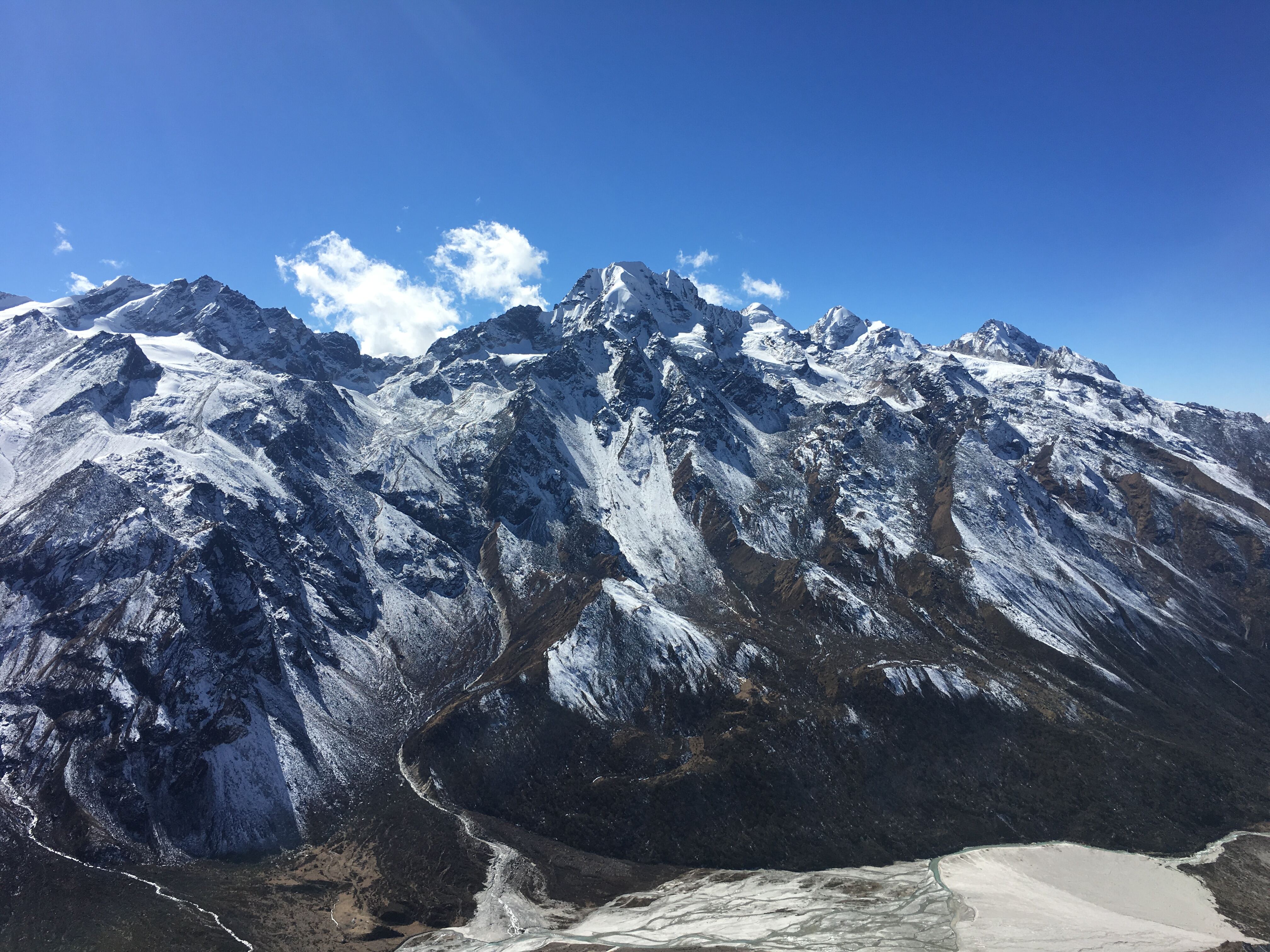
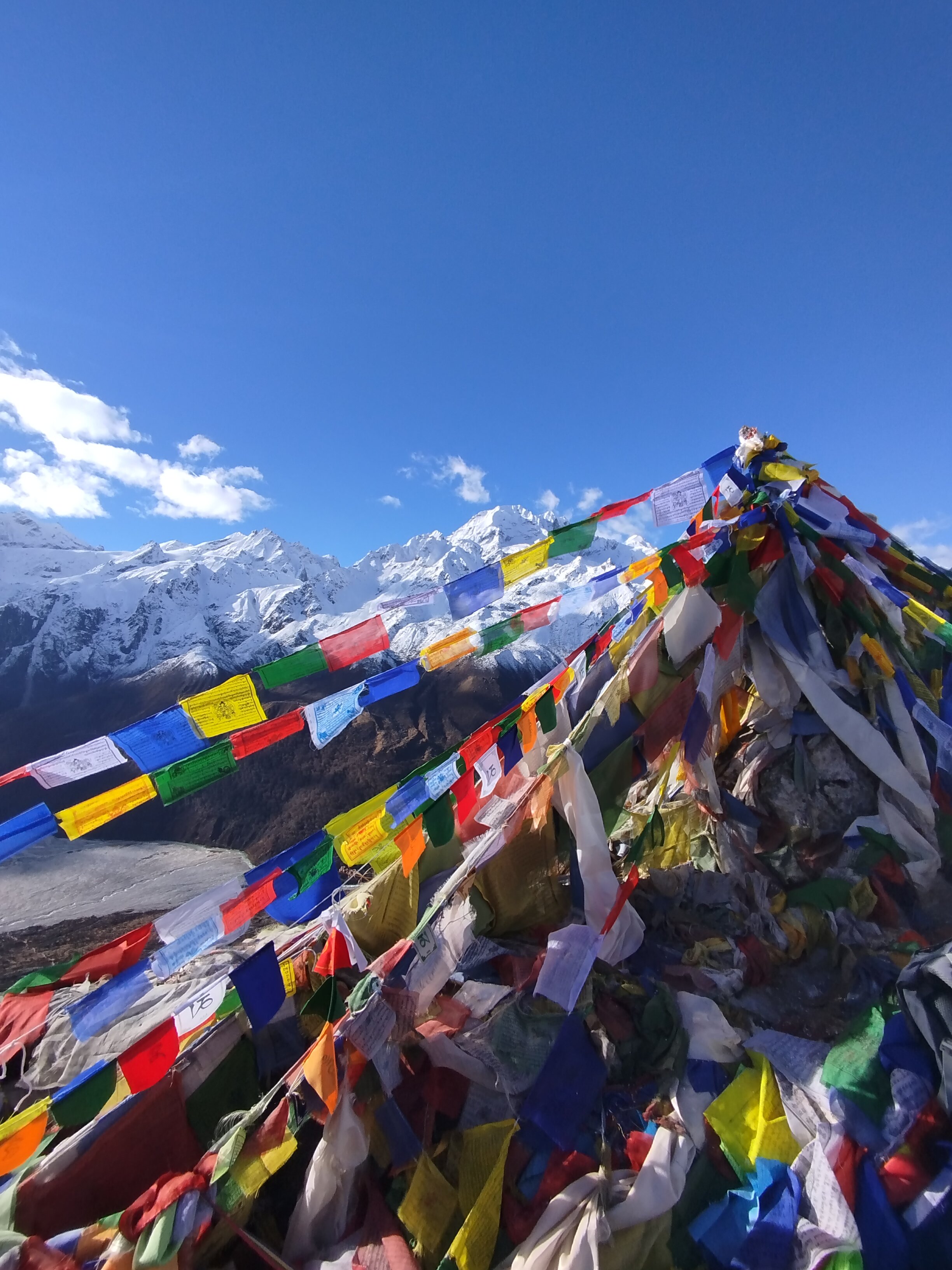
HIKING LANGTANG VIA GOSAIKUNDA
Trek Highlights
Diverse Natural Landscapes :
- Trek through lush forests, alpine meadows, glacial moraines, and rugged high-altitude terrain.
- Witness rivers, waterfalls, mountain passes, and wildlife, including red pandas, Himalayan thars, and musk deer.
- Enjoy rhododendron forests and terraced fields, especially in Kutumsang and Chisapani.
Breathtaking Mountain Views :
- Stunning panoramas of Langtang Lirung, Ganesh Himal, Dorje Lakpa, and the Rolwaling range.
- Gosaikunda Lakes (4,380m) – sacred glacial lakes with mesmerizing reflections of the Himalayas.
- Kyanjin Ri viewpoint offers breathtaking sunrise and sunset vistas
Cultural & Spiritual Immersion :
- Explore Tamang and Sherpa villages with Tibetan Buddhist influences.
- Visit Kyanjin Gompa monastery and Sing Gompa (Chandan Bari) for spiritual insights
- Experience Hindu pilgrimage culture at the sacred Gosaikunda Lakes.
Rich Wildlife & Biodiversity:
- Opportunities for wildlife spotting, including Himalayan black bears, red pandas, and exotic birds.
- Birdwatching opportunities in Thulo Syabru and Kutumsang.
Moderate to Challenging Trekking Adventure:
- Cross high-altitude passes and experience rugged, isolated terrains in Ghopte.
- A mix of well-marked trails and remote trekking routes, offering both comfort and adventure.
Spectacular Sunrises & Sunsets:
- Chisapani viewpoint provides breathtaking sunrise and sunset views over the Himalayas.
- Sundarijal viewpoint offers a final glimpse of the Langtang range before returning to Kathmandu.
Culture & Spiritual Heritage
- The Langtang Valley is deeply rooted in Tamang culture, an ethnic community with strong ties to Tibetan Buddhism, reflected in their language, traditions, and daily life.
- Traditional settlements such as Mundu Village showcase stone houses, prayer flags, mani walls, and a lifestyle shaped by both the mountains and spiritual beliefs.
- Kyanjin Gompa serves as an important spiritual center, where monks conduct rituals and visitors experience a calm, meditative atmosphere.
- Buddhist elements like prayer wheels, chortens, and monasteries are woven naturally into the trekking landscape, making spirituality part of the journey rather than a separate experience.
- Gosaikunda holds major religious significance, especially in Hindu tradition, and is considered one of Nepal’s most sacred pilgrimage sites.
- According to belief, Lord Shiva created Gosaikunda by striking the mountain with his trident to produce water.
- During Janai Purnima, thousands of pilgrims visit the lake to bathe in its icy waters, believing it brings purification and spiritual merit.
- The region reflects a unique coexistence of Buddhist and Hindu traditions, where valley settlements carry Buddhist influence while high-altitude sites like Gosaikunda are rooted in Hindu mythology.
- Along the trail, spiritual symbols such as prayer flags, shrines, and sacred sites appear naturally within the landscape, reinforcing the connection between nature and belief.
- Langtang and Gosaikunda offer a layered cultural and spiritual experience where heritage, religion, and the Himalayan environment are closely interconnected.
What's Included
Airport Transfers
- Pickup and drop-off between the airport and your hotel in Kathmandu
- Private vehicle for comfort and convenience
Accommodation in Kathmandu
- Hotel stay before and after the trek
- 3-5 star accomodation with breakfast.
Teahouse Accommodation During the Trek
- Comfortable teahouse/lodge stays along the trail
- Twin-sharing basis in local mountain lodges
Meals During the Trek
- Three meals per day (breakfast, lunch, dinner)
- A mix of local and simple international dishes such as dal bhat, noodles, soups, and tea
Experienced Trekking Guide
- Licensed, English-speaking guide
- Deep knowledge of the Langtang National Park region, culture, and trails
- Assistance with safety, navigation, and acclimatization
Permits and Entry Fees
- Langtang National Park Entry Permit
- TIMS (Trekkers’ Information Management System) card
Ground Transportation
- Round-trip drive between Kathmandu and Syabrubesi (trek starting point) and drop back to kathmandu
- Scenic mountain road journey
First Aid and Safety Support
- Basic first aid kit carried by the guide
- Ongoing health monitoring throughout the trek
Government Taxes and Service Charges
- All applicable local taxes and service fees included
What's not Included
International Flights
- Airfare to and from Kathmandu is not included
Nepal Visa Fees
- Visa cost upon arrival in Nepal (paid directly at the airport)
Travel Insurance
- Mandatory travel insurance covering high-altitude trekking and emergency evacuation
Personal Expenses
- Snacks, chocolates, and extra drinks
- Bottled water, soft drinks, alcohol
- Hot showers, Wi-Fi, and battery charging along the trail
Lunch & Dinner in Kathmandu
- Meals in Kathmandu (except breakfast) are usually not included
Tips for Guide and Porter
- Tipping is expected but not mandatory
- A common practice to show appreciation for their support
Personal Trekking Gear
- Items like trekking boots, down jacket, gloves, and thermal wear
These can be rented or purchased in Kathmandu if needed
Extra Accommodation or Meals
- Additional nights in Kathmandu due to early arrival, late departure, or itinerary changes
Emergency Rescue and Evacuation
- Helicopter rescue or medical evacuation (should be covered by your insurance)
Unforeseen Expenses
- Costs arising from delays due to weather, landslides, strikes, or personal reasons
Upgraded Services
- Luxury hotel upgrades
- Helicopter return options
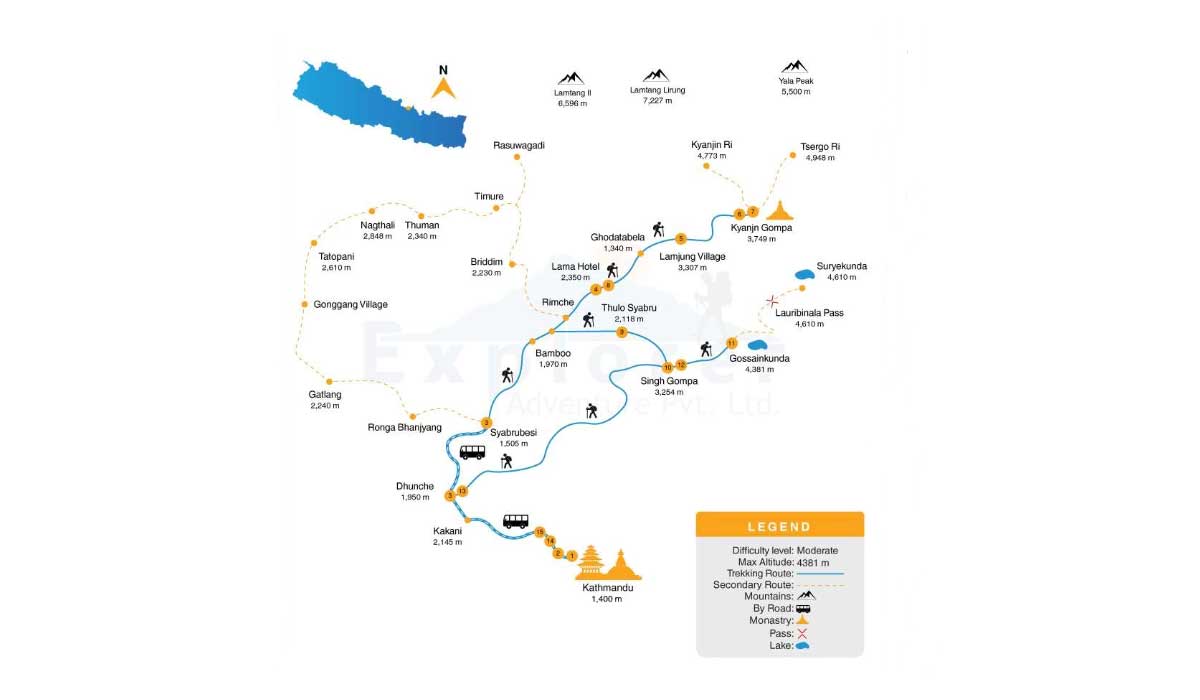
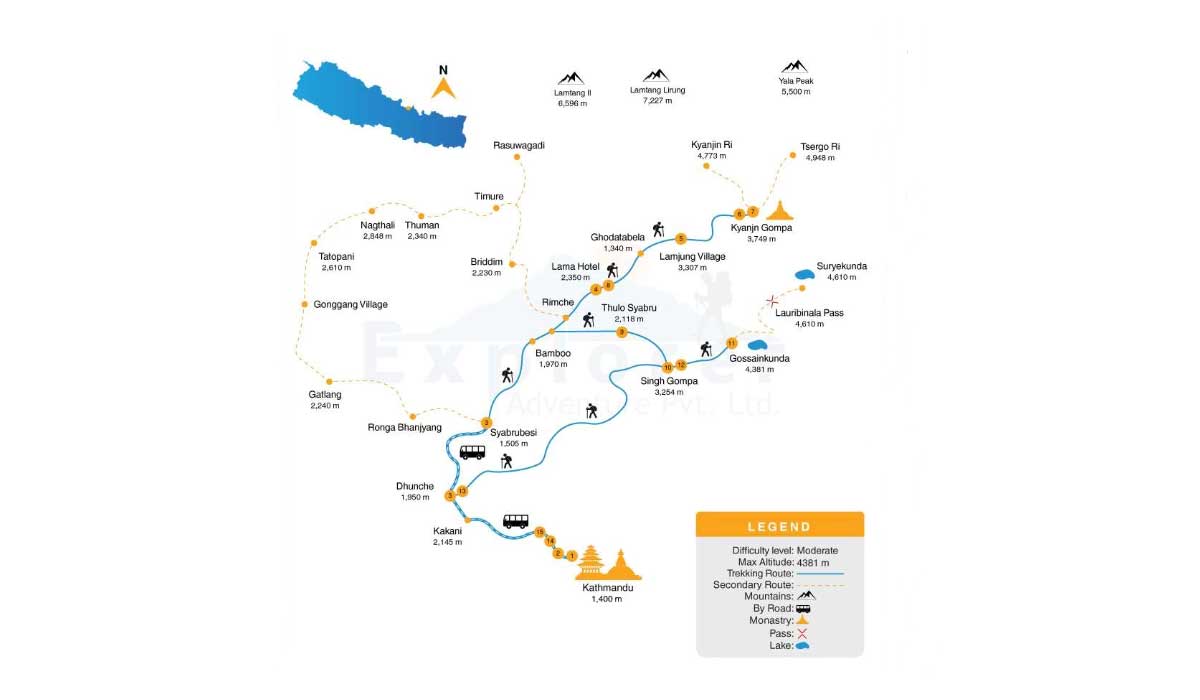
Tour Map
Frequently Asked Questions
The trek lies north of Kathmandu, inside Langtang National Park. It connects the Langtang Valley with the sacred alpine lakes of Gosaikunda, crossing high mountain terrain.
This is a moderate to challenging trek. The difficulty comes from:
- Steep ascents and descents
- High altitude (over 4,600 meters at Lauribina Pass)
- Long trekking days
Previous trekking experience helps, but fit beginners can complete it with proper acclimatization.
The full route typically takes 10 to 15 days, depending on:
- Your pace
- Acclimatization days
- Side trips like Kyanjin Ri or Tserko Ri
The ideal seasons are:
- Spring (March to May) for rhododendron blooms
- Autumn (September to November) for clear mountain views
Winter is possible but cold, while monsoon brings slippery trails and leeches.
Yes, you need:
- Langtang National Park Entry Permit
- TIMS (Trekkers’ Information Management System) card
These are usually arranged in Kathmandu before starting the trek.
The highest point is Lauribina Pass (4,610 meters), which connects the Langtang Valley with the Gosaikunda region.
Yes, altitude sickness is a real risk, especially above 3,000 meters. To reduce the risk:
- Ascend gradually
- Stay hydrated
- Include acclimatization days
Symptoms like headache, nausea, and dizziness should not be ignored.
Yes, the trek is well-supported with teahouse accommodation throughout:
- Basic but comfortable rooms
- Local meals like dal bhat, noodles, soups, and tea
Facilities become simpler at higher altitudes.
A guide is recommended but not mandatory. A guide helps with:
- Navigation
- Cultural insights
- Safety in high-altitude conditions
Porters can make the trek more comfortable by carrying heavy loads.
You’ll experience a mix of:
- Snow-capped peaks like Langtang Lirung
- Alpine lakes at Gosaikunda
- Forests of bamboo, pine, and rhododendron
- Traditional Tamang and Tibetan-influenced villages
Gosaikunda is a sacred lake in Hindu and Buddhist traditions.
It is closely associated with Lord Shiva and attracts pilgrims, especially during the Janai Purnima festival.
It can be done by beginners who:
- Are physically fit
- Prepare properly
- Take enough acclimatization time
Essential items include:
- Warm layers and down jacket
- Good trekking boots
- Sleeping bag
- Water purification system
- Basic first aid kit
Packing light but smart is key.
- Mobile network is available in some lower areas
- Wi-Fi is available in some teahouses (paid)
- Expect limited or no connectivity at higher elevations
Yes, this trek is often combined with:
- The classic Langtang Valley trek
- Helambu region via Gosaikunda
This creates a more diverse and extended trekking experience.
Book This Trip
Contact Information
info@nepalcalling.com
nepalcalling4@gmail.com
Phone
+977-9860680553
+32-0485063791
977-9860680553
Related Trips
Let your travels tell a story—crafted by locals, inspired by mountains, and lived by you.
Join The Nepal Calling Newsletter
Be the first to receive exclusive Nepal tour packages, trekking offers, travel tips, destination guides, and seasonal travel inspiration—delivered straight to your inbox.