Nepalcalling
The Himalaya, Lived at Human Scale
You notice it somewhere around the second day. The trail has been climbing through oak and rhododendron, the river audible but invisible below, and then a gap opens in the ridgeline ahead. For a moment — before cloud or haze or the next switchback takes it away — you see a wall of white. Not a peak exactly. A presence. A mass of mountain so enormous it occupies a full quarter of the sky, and it is just sitting there, ordinary as weather, waiting for you to catch up. The Annapurna Region does not announce itself. It accumulates. It begins in terraced rice paddies where children wave from stone walls, and it ends — if the Annapurna Circuit is your route — on a high desert plateau that looks nothing like Nepal and everything like the edge of the known world. Between those two points, the landscape rewrites itself four or five times. The culture shifts. The air changes. The food on the tea house menu tells you more about where you are than any map.This is the Himalaya lived from the inside — not photographed through a window, not glimpsed from a viewpoint, but walked through, day by day, at the speed the terrain demands.
Quick facts
- Location: North-central Nepal, Gandaki Province. Entirely within the Annapurna Conservation Area (ACAP) — Nepal's largest protected area at 7,629 sq km.
- Key Peaks & Landmarks: Annapurna I (8,091 m), Annapurna South (7,219 m), Machhapuchhre (6,993 m), Dhaulagiri I (8,167 m), Nilgiri (7,061 m), Tilicho Peak (7,134 m).
- Elevation Range: From approximately 800 m in the Modi Khola subtropical lowlands to 5,416 m at Thorong La Pass.
- Best Seasons: March to May (spring) and mid-September to November (autumn).
- Access: Road or domestic flight to Pokhara (1 hour from Kathmandu by air, 6–7 hours by road), then local jeep or bus to trailheads at Nayapul, Ghandruk, Siwai, or Besisahar.
- Accommodation: Family-run tea houses, upgraded trekker lodges with private rooms, and a growing number of boutique mountain properties at lower elevations.
- Trek Difficulty Range: Easy (Ghandruk day hikes) to Moderate (Annapurna Base Camp, Poon Hill) to Strenuous (full Annapurna Circuit with Thorong La crossing).
A Region of Living Transitions
Few trekking regions in the world compress this much ecological and cultural change into a single journey. The Annapurna Conservation Area spans subtropical forest, temperate hillside farmland, alpine meadow, and high-altitude semi-desert — and depending on which route you walk, you pass through most of them within ten days. Start low, in the Modi Khola or Marsyangdi valleys. The air is warm, sometimes humid in early spring or late autumn. Terraced paddies — some green, some gold, some recently harvested to bare stubble — step up the hillsides in patterns that speak of centuries of careful cultivation. Gurung and Magar villages sit along ridgelines where houses are made of stone and slate, and the smoke of morning cooking fires rises against the hill. As you gain elevation, the character of the forest shifts. Bamboo gives way to oak, then rhododendron. In March, those rhododendrons bloom in layers of red, pink, and white — a color that seems too vivid for a mountain trail. By the time you reach the high villages of the Modi Valley or the Marsyangdi corridor, the vegetation has thinned to alpine scrub, and the peaks feel not like a backdrop but like the actual walls of the world you are moving through.
The Annapurna Circuit, which circumnavigates the entire massif, adds a dimension that shorter treks do not offer: cultural transition. Leaving the Gurung and Magar heartland behind as you climb north through the Marsyangdi valley, you gradually enter Manangi and Tibetan-influenced territory. Architecture changes from slate rooftop to flat mud-brick. Prayer flags multiply. Juniper incense drifts from doorways. The sky, above treeline, feels wider — the horizon suddenly farther away. Crossing Thorong La Pass at 5,416 meters is not the end of the journey; it is the hinge point. The descent into Muktinath and the Kali Gandaki valley opens into a landscape that could belong to another country entirely — dry, wind-carved, and severe in a way that makes the green valleys below seem improbably lush in memory. The Annapurna region holds contradictions with ease. It is the most visited trekking area in Nepal, yet it still has the capacity to surprise you.
Major Highlights
Community and Sustainable Travel
Community and sustainable travel in Nepal creates meaningful connections between visitors and local people while ensuring that tourism benefits remain within the communities that host travelers. Instead of focusing only on popular attractions, this form of travel encourages visitors to stay in locally owned accommodations, hire local guides, purchase handmade products, and experience authentic village life. By supporting local businesses and families, tourism becomes a source of income that strengthens rural economies and improves livelihoods across the country. Sustainable travel in Nepal also places great importance on protecting the natural environment and preserving cultural heritage for future generations. Travelers are encouraged to minimize waste, reduce the use of plastic, respect wildlife habitats, conserve water and energy, and follow responsible trekking and travel practices. These efforts help safeguard Nepal's fragile mountain ecosystems, forests, rivers, and biodiversity while maintaining the beauty and authenticity that attract visitors from around the world. Beyond economic and environmental benefits, community and sustainable travel promotes cultural exchange and mutual understanding between travelers and local communities. Visitors gain deeper insight into local traditions, festivals, cuisines, and daily life, while communities have opportunities to share and celebrate their unique identities with the world. This approach to tourism fosters respect, inclusiveness, and long-term sustainability, ensuring that travel contributes positively to both people and places while creating richer and more meaningful experiences for everyone involved.
Community and Sustainable Travel in Nepal
- Community and sustainable travel ensures that tourism revenue directly benefits local families, small businesses, and rural communities rather than leaving the destination through large international operators.
- Travelers are encouraged to stay in locally owned guesthouses, homestays, eco-lodges, and family-run accommodations that provide authentic hospitality while supporting local employment and entrepreneurship.
- Hiring local guides, porters, drivers, and cultural interpreters creates valuable job opportunities and allows visitors to gain deeper insights into local traditions, history, and lifestyles.
- Purchasing locally produced handicrafts, textiles, artwork, agricultural products, and souvenirs helps preserve traditional skills and provides important income for artisans and craftsmen.
- Community-based tourism encourages travelers to participate in village life through cultural exchanges, farming activities, cooking experiences, traditional music, dance performances, and local festivals.
- Sustainable tourism promotes responsible use of natural resources by encouraging the conservation of water, energy, forests, and fragile mountain ecosystems.
- Travelers are encouraged to reduce plastic consumption by carrying reusable water bottles, shopping bags, and refillable containers during their journeys.
- Proper waste management practices, including carrying out non-biodegradable waste and minimizing litter, help protect trekking routes, villages, rivers, and natural landscapes.
- Responsible trekking and adventure activities contribute to the preservation of fragile alpine environments and reduce pressure on sensitive ecosystems.
- Sustainable travel supports conservation initiatives that protect wildlife habitats, endangered species, forests, wetlands, and biodiversity throughout the country.
- Tourism businesses increasingly adopt environmentally friendly practices such as solar energy, waste recycling, water conservation systems, and locally sourced food products.
- Community tourism helps reduce economic migration from rural areas by creating employment opportunities within villages and smaller towns.
- Cultural preservation is a major benefit of sustainable travel, as local communities are encouraged to maintain traditional architecture, customs, languages, rituals, and crafts.
- Visitors gain opportunities to learn about indigenous cultures, local traditions, spiritual practices, and centuries-old ways of life that are often overlooked in conventional tourism.
- Smaller group sizes and slower travel styles reduce environmental impact while creating more meaningful and immersive travel experiences.
- Sustainable tourism encourages respect for local customs, dress codes, religious sites, and social values, fostering positive relationships between visitors and host communities.
- Community tourism often supports local schools, healthcare facilities, conservation projects, and infrastructure development through tourism-generated income.
- Many rural tourism initiatives empower women and marginalized groups by creating new opportunities in hospitality, guiding, handicrafts, and small business management.
- Travelers benefit from authentic experiences that go beyond sightseeing, developing stronger emotional connections with destinations and local people.
- Community and sustainable travel helps ensure that future generations can continue to enjoy the natural beauty, cultural richness, and traditional heritage that make Nepal a unique destination for global travelers.
Community and Sustainable Travel
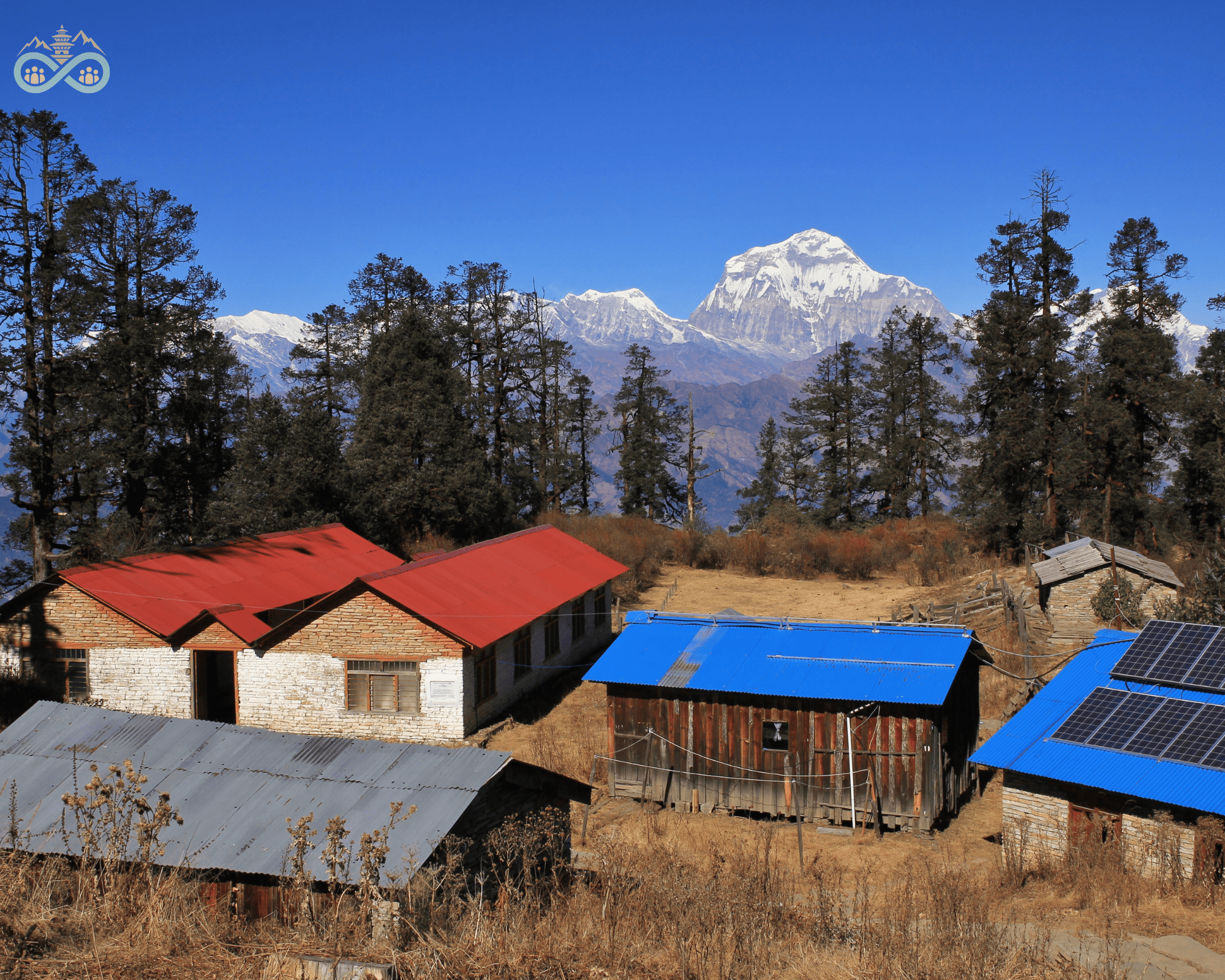
Nepal Through Local Eyes
Nepal is best understood through its people. Beyond the mountains and famous landmarks, community and sustainable travel offer the chance to experience daily li...
Yoga and Meditation
Yoga and meditation in Nepal offer travelers an opportunity to cultivate physical well-being, mental clarity, and inner balance in an environment deeply connected to spirituality and nature. Surrounded by the Himalayas, sacred temples, monasteries, and peaceful landscapes, Nepal provides an ideal setting for practices that encourage mindfulness, relaxation, and self-awareness. Many visitors are drawn to the country's tranquil atmosphere as a place to disconnect from daily pressures and reconnect with themselves. Yoga and meditation experiences in Nepal range from introductory sessions for beginners to advanced retreats and long-term spiritual programs. Participants can explore various styles of yoga, breathing techniques, mindfulness practices, guided meditation, and holistic wellness approaches while learning from experienced teachers and practitioners. These experiences often combine physical movement, mental discipline, and spiritual reflection, creating a comprehensive approach to health and personal development. Beyond personal wellness, yoga and meditation travel encourages cultural understanding and meaningful engagement with Nepal's spiritual heritage. Travelers often have opportunities to visit monasteries, attend teachings, participate in traditional ceremonies, and experience local philosophies centered on compassion, balance, and harmony. For many visitors, the combination of ancient wisdom, natural beauty, and peaceful surroundings creates transformative experiences that continue to influence their lives long after their journey has ended.
Yoga and Meditation in Nepal
- Yoga and meditation in Nepal offer travelers the opportunity to improve physical health, mental clarity, emotional balance, and spiritual well-being in a peaceful Himalayan environment.
- The country's natural surroundings, including mountains, forests, rivers, and sacred sites, create an ideal setting for mindfulness and contemplative practices.
- Nepal's long spiritual traditions and cultural heritage provide a meaningful backdrop for yoga, meditation, and holistic wellness experiences.
- Participants can choose from beginner-friendly classes, intensive retreats, long-term training programs, and personalized wellness journeys.
- Yoga practices often focus on improving flexibility, strength, posture, breathing patterns, and overall physical fitness.
- Meditation techniques help develop concentration, mindfulness, emotional awareness, and inner calm in daily life.
- Breathing exercises and relaxation methods are commonly integrated into programs to reduce stress and improve mental well-being.
- Many retreats combine yoga and meditation with healthy nutrition, nature experiences, and wellness therapies to create a holistic approach to health.
- Himalayan landscapes provide peaceful environments that support reflection, introspection, and personal growth.
- Sunrise and sunset sessions surrounded by mountain scenery create memorable experiences that enhance relaxation and mindfulness.
- Monasteries, retreat centers, and wellness facilities provide quiet spaces away from urban distractions and fast-paced lifestyles.
- Participants often explore a variety of meditation techniques including mindfulness meditation, breathing meditation, silent meditation, and guided practices.
- Yoga programs may include physical postures, breathing exercises, relaxation techniques, and philosophical teachings.
- Wellness experiences frequently integrate traditional healing knowledge and holistic health practices alongside modern approaches.
- Spiritual retreats encourage participants to disconnect from technology and reconnect with themselves and their surroundings.
- Time spent in peaceful natural environments can contribute to improved sleep quality, reduced anxiety, and enhanced emotional resilience.
- Yoga and meditation can complement trekking, wellness tourism, and cultural journeys by supporting recovery and relaxation.
- Many travelers seek these experiences as opportunities for self-discovery, reflection, and personal transformation.
- Participation in meditation retreats can help individuals develop greater patience, focus, and emotional stability.
- Group sessions create opportunities for shared learning experiences and meaningful connections with people from diverse backgrounds.
- Individual practice allows participants to progress at their own pace according to their needs and goals.
- The spiritual atmosphere of Nepal adds depth and authenticity to wellness experiences for many visitors.
- Visits to monasteries, temples, and sacred sites often complement yoga and meditation programs by providing cultural and spiritual context.
- Local philosophies emphasizing compassion, mindfulness, simplicity, and harmony frequently influence retreat experiences.
- Wellness tourism supports local teachers, practitioners, retreat centers, and community businesses throughout the country.
- Sustainable wellness practices encourage respect for nature, local communities, and cultural traditions.
- The combination of physical activity, mental training, and spiritual reflection creates a balanced approach to overall well-being.
- Many participants return home with practical skills and habits that continue to support their health and lifestyle long after the journey ends.
- Yoga and meditation experiences appeal to travelers seeking relaxation, healing, personal growth, and deeper self-awareness.
- The peaceful Himalayan environment enhances the effectiveness of mindfulness practices and encourages a stronger connection with nature.
- For many visitors, yoga and meditation in Nepal become transformative experiences that provide lasting benefits for both body and mind.
Yoga and Meditation
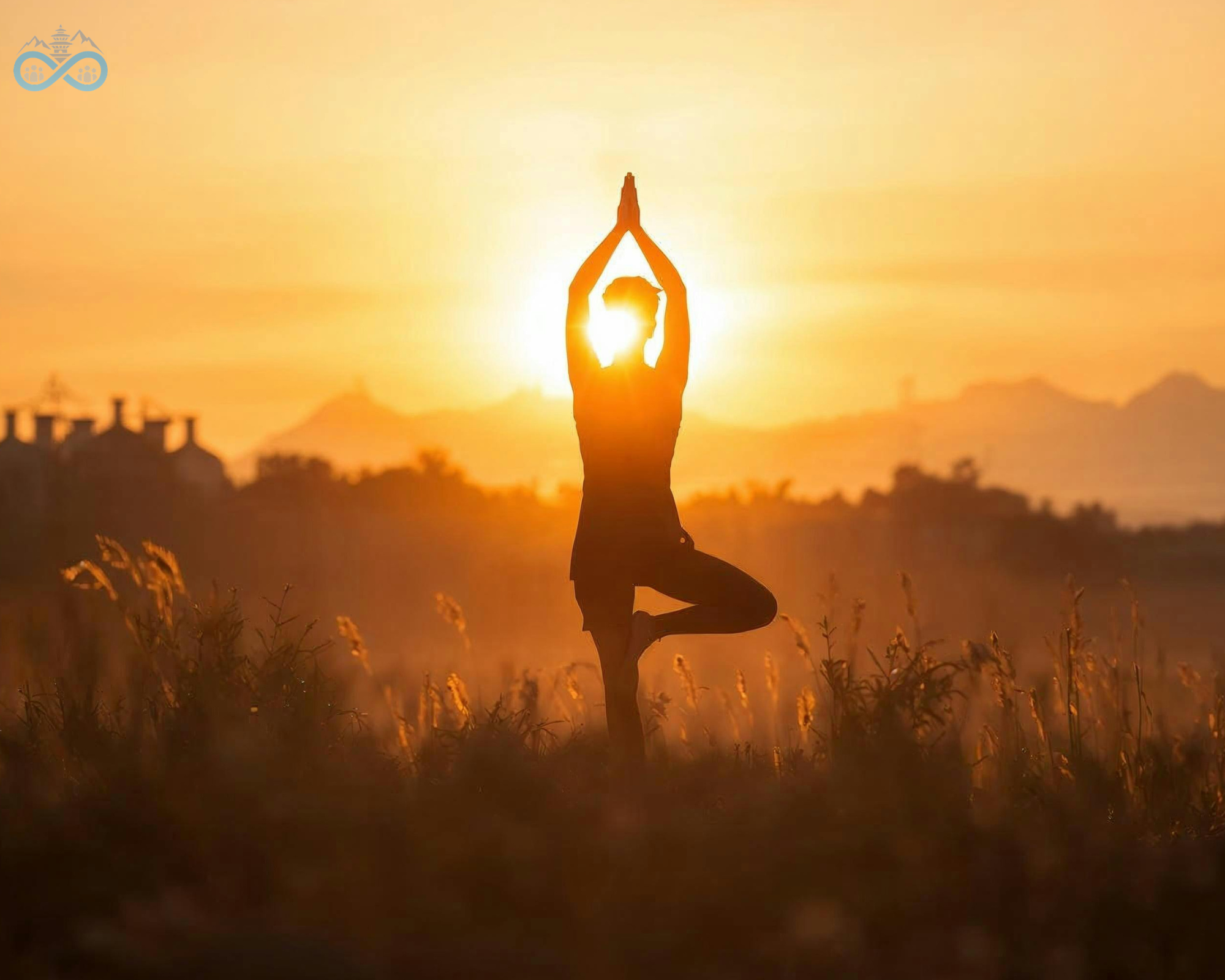
The Annapurna Yoga Trek
The Annapurna Yoga Trek blends Himalayan trekking with daily yoga, meditation, and mindful practices, creating a journey that nurtures both body and mind. Walki...
Challenging Trekking
Challenging trekking in Nepal offers experienced travelers the opportunity to explore some of the world's most dramatic mountain landscapes while testing their physical endurance and mental resilience. These treks often involve high-altitude trails, steep ascents and descents, remote terrain, and longer walking days that require good preparation and fitness. The sense of achievement that comes from reaching mountain passes, remote valleys, and panoramic viewpoints makes these journeys especially rewarding for adventure enthusiasts. Beyond the physical challenge, demanding trekking routes provide access to some of Nepal's most isolated and culturally rich regions. Trekkers pass through traditional villages, ancient monasteries, high mountain settlements, and landscapes that remain largely untouched by modern development. The experience combines breathtaking Himalayan scenery with meaningful cultural encounters, allowing travelers to gain a deeper understanding of mountain communities and their unique ways of life. Challenging trekking also offers powerful personal rewards, including increased confidence, self-discovery, and a strong connection with nature. Days spent crossing rugged terrain, adapting to changing weather conditions, and overcoming physical obstacles often become transformative experiences that remain memorable long after the journey ends. For many trekkers, these adventures represent not only a physical expedition but also a journey of personal growth, resilience, and exploration.
Challenging Trekking in Nepal
- Challenging trekking in Nepal offers experienced adventurers the opportunity to explore some of the most spectacular and remote mountain landscapes on Earth.
- These treks are designed for travelers seeking greater physical challenges, higher elevations, longer trekking days, and more demanding terrain.
- Routes often involve steep ascents and descents, rugged trails, rocky paths, glacier crossings, and high mountain passes.
- Many challenging treks reach significant altitudes where proper acclimatization becomes essential for safety and success.
- Trekkers are rewarded with breathtaking views of some of the world's highest Himalayan peaks and dramatic mountain scenery.
- Remote valleys, alpine meadows, glacial lakes, and untouched wilderness areas create unforgettable trekking experiences.
- Challenging routes often pass through isolated regions that remain relatively unaffected by modern development and mass tourism.
- These journeys provide opportunities to experience authentic mountain cultures and traditional ways of life in remote communities.
- Trekkers frequently encounter ancient monasteries, prayer walls, chortens, and sacred sites that reflect the spiritual traditions of Himalayan communities.
- Long trekking days require endurance, determination, and consistent physical effort throughout the journey.
- Variable weather conditions, changing temperatures, and high-altitude environments add complexity and excitement to the experience.
- Proper preparation, physical fitness, and suitable equipment are important factors for completing demanding trekking routes successfully.
- Acclimatization days are often incorporated into itineraries to reduce altitude-related risks and improve overall comfort.
- Experienced local guides play an essential role in navigation, safety management, cultural interpretation, and logistical support.
- Porters and support staff contribute significantly to the success of expeditions while supporting local economies and livelihoods.
- Challenging trekking encourages mental resilience, patience, adaptability, and problem-solving skills in changing mountain conditions.
- Completing difficult sections of trail often creates a strong sense of accomplishment and personal satisfaction.
- High mountain passes frequently provide some of the most memorable panoramic views found anywhere in the Himalayas.
- Remote campsites and mountain lodges offer unique opportunities to experience the silence and beauty of the high mountains.
- Wildlife observation opportunities may include mountain birds, alpine species, and animals adapted to high-altitude environments.
- Trekking through diverse ecological zones allows travelers to witness changing vegetation, landscapes, and climatic conditions.
- Challenging treks often require longer travel durations, allowing deeper immersion into both nature and local cultures.
- Adventure travelers frequently view these treks as major personal achievements and important life experiences.
- The physical demands of the journey often lead to increased confidence, discipline, and self-awareness.
- Many trekkers describe difficult mountain journeys as transformative experiences that extend beyond physical adventure.
- Responsible trekking practices are essential for protecting fragile mountain ecosystems and maintaining trail sustainability.
- Trekking tourism generates important income for remote communities through guiding, accommodation, transportation, and food services.
- Sustainable expedition practices help preserve natural environments and cultural heritage for future generations.
- Challenging trekking appeals to individuals seeking exploration, adventure, personal growth, and deeper engagement with nature.
- The combination of physical endurance, cultural immersion, and Himalayan scenery creates experiences that remain memorable for a lifetime.
- For many adventurers, completing a challenging trek in Nepal represents not only reaching a destination but also overcoming personal limits and discovering new strengths.
Challenging Trekking
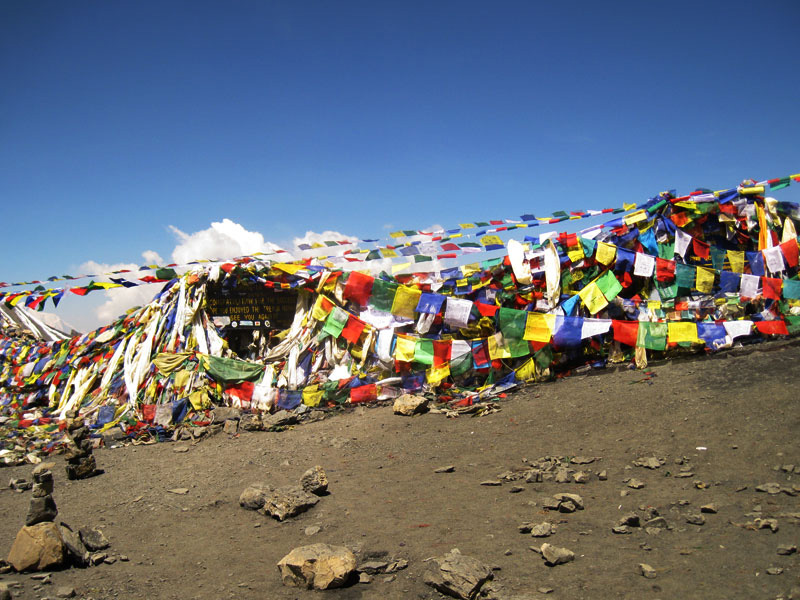
Annapurna Circuit Trek
Annapurna Circuit Trek: Nepal’s classic route spans 131km—subtropical Besisahar valleys to alpine meadows, Thorong La Pass (5,416m). Panoramic Annapurna, Dhaula...

Roof of the World Trek
The Everest Base Camp Trek is a thrilling, endurance-testing adventure blending rich Sherpa culture with stunning Himalayan grandeur. Starting with a flight to...

Everest’s Blue Mirror
The trek begins with a Kathmandu-Lukla flight. Trek 8km to Phakding through forests, Sherpa villages, and Dudh Koshi. Namche Bazaar (3,440m) offers Everest, Lho...
Moderate Treking
Moderate trekking in Nepal offers travelers the opportunity to experience the beauty of the Himalayas without the physical demands of high-altitude expeditions or technical climbing routes. These treks typically follow well-established trails through forests, villages, terraced farmlands, and mountain landscapes while maintaining a comfortable pace suitable for a wide range of travelers. The combination of scenic beauty and manageable difficulty makes moderate trekking one of the most popular ways to explore Nepal's diverse landscapes. Moderate trekking routes provide an ideal balance between adventure, cultural immersion, and personal achievement. Travelers can enjoy panoramic mountain views, traditional settlements, local hospitality, and rich cultural experiences while spending their evenings in comfortable teahouses or lodges. The journeys often include opportunities to interact with local communities, experience regional cuisines, and observe daily life in remote Himalayan villages, creating experiences that go far beyond physical activity alone. Beyond the landscapes and cultural encounters, moderate trekking offers important physical and mental benefits. Walking through peaceful mountain environments encourages relaxation, mindfulness, and a deeper connection with nature while remaining accessible to travelers with average fitness levels. For many visitors, moderate trekking becomes an enjoyable introduction to Himalayan travel, providing memorable experiences, personal satisfaction, and a lasting appreciation for Nepal's natural and cultural heritage.
Moderate Trekking in Nepal
- Moderate trekking in Nepal offers an ideal balance between adventure, comfort, and accessibility, making it suitable for travelers with average fitness levels and limited trekking experience.
- These treks allow visitors to experience the beauty of the Himalayas without the extreme physical demands associated with high-altitude expeditions or technical mountaineering.
- Well-established trails and developed trekking infrastructure make moderate treks accessible to solo travelers, couples, families, and small groups.
- Trekking routes often pass through diverse landscapes that include forests, rivers, waterfalls, alpine meadows, terraced farmlands, and mountain valleys.
- Travelers can enjoy spectacular views of snow-capped Himalayan peaks without necessarily reaching extreme elevations.
- Moderate trekking itineraries generally involve manageable daily walking distances and gradual altitude gains that reduce physical strain.
- Comfortable teahouses, lodges, and guesthouses along the routes provide accommodation, meals, and opportunities for rest and social interaction.
- The slower pace of moderate trekking allows travelers to fully appreciate the scenery, wildlife, local architecture, and cultural surroundings.
- Traditional villages along the trails provide opportunities to experience local lifestyles, customs, hospitality, and community traditions.
- Interactions with local families, guides, and lodge owners create meaningful cultural exchanges and memorable travel experiences.
- Many trekking routes pass through regions inhabited by diverse ethnic communities with unique languages, traditions, and cultural practices.
- Seasonal changes create very different trekking experiences, from blooming rhododendron forests in spring to crystal-clear mountain views during autumn.
- Moderate trekking offers excellent opportunities for landscape photography, wildlife observation, and nature appreciation.
- Forest sections often feature diverse vegetation and birdlife, adding ecological interest to the trekking experience.
- Trekking provides opportunities to visit monasteries, temples, prayer flags, chortens, and other cultural and spiritual landmarks.
- Mountain trails often reveal breathtaking sunrise and sunset views over Himalayan peaks and valleys.
- Walking in natural environments contributes to improved physical fitness, cardiovascular health, and overall well-being.
- Time spent in the mountains encourages mindfulness, stress reduction, and mental relaxation away from urban environments.
- Moderate trekking provides a sense of personal accomplishment while remaining achievable for most healthy travelers.
- The experience serves as an excellent introduction for individuals considering more challenging Himalayan adventures in the future.
- Local guides and porters enhance safety, provide cultural insight, and contribute significantly to local economies.
- Trekking tourism supports rural communities through accommodation, transportation, guiding services, food production, and handicraft sales.
- Community-based tourism initiatives along trekking routes help distribute economic benefits to remote mountain regions.
- Sustainable trekking practices encourage environmental conservation and responsible tourism in fragile mountain ecosystems.
- Responsible travelers are encouraged to minimize waste, reduce plastic consumption, and respect local customs and traditions.
- Moderate trekking itineraries can often be customized to match different interests, schedules, and fitness levels.
- Many routes combine natural beauty with cultural heritage, creating journeys that appeal to both adventure seekers and cultural travelers.
- Families with older children and multi-generational groups often find moderate treks particularly suitable due to their manageable difficulty.
- The combination of mountain scenery, cultural encounters, and physical activity creates a rewarding and well-rounded travel experience.
- For many visitors, moderate trekking becomes one of the most memorable ways to discover the landscapes, communities, and traditions of Nepal.
Moderate Treking

HIKING LANGTANG VIA GOSAIKUNDA
Gosaikunda Langtang Chisapani Trek blends Langtang’s Sherpa-Tamang culture, alpine forests, and sacred Hindu sites. From Syabrubesi, trek to Langtang Village, K...

Annapurna-Dhaulagiri Hidden Ridge
The Mohare Danda and Khopra Ridge Trek is an off-the-beaten-path journey through remote villages, forests, and dramatic Himalayan landscapes. Starting from Pokh...
Easy Trekking
Easy trekking in Nepal offers travelers the opportunity to experience the beauty of the Himalayas and rural landscapes without requiring extensive trekking experience or high levels of physical fitness. These routes typically follow gentle trails through villages, forests, terraced fields, and scenic hills, making them suitable for beginners, families, older travelers, and those looking for a relaxed outdoor adventure. The shorter walking days and lower altitudes allow visitors to enjoy the journey at a comfortable pace. Beyond the natural scenery, easy trekking provides valuable opportunities for cultural immersion and interaction with local communities. Trekkers can visit traditional villages, experience local hospitality, observe daily life, and discover regional customs and cuisines while staying in comfortable lodges or guesthouses. The combination of nature and culture creates enriching experiences that go far beyond simply reaching a destination. Easy trekking also offers important health and wellness benefits by encouraging physical activity, relaxation, and a stronger connection with nature. Walking through peaceful landscapes, enjoying mountain views, and spending time away from busy urban environments can improve both physical and mental well-being. For many visitors, easy trekking serves as an ideal introduction to Himalayan travel and often inspires future adventures in Nepal's mountains and countryside.
Easy Trekking in Nepal
- Easy trekking in Nepal provides an excellent introduction to Himalayan travel for individuals with little or no previous trekking experience.
- These treks are designed for travelers seeking beautiful landscapes and cultural experiences without the physical demands of high-altitude expeditions.
- Routes generally follow gentle trails with manageable distances and gradual elevation gains, making them accessible to a wide range of age groups.
- Easy treks are suitable for beginners, families with children, older travelers, photographers, and visitors looking for a relaxed outdoor experience.
- Lower altitudes reduce the likelihood of altitude-related challenges and allow travelers to enjoy the journey with greater comfort.
- Walking days are usually shorter and less physically demanding, providing plenty of time for sightseeing, photography, and cultural exploration.
- Trails often pass through traditional villages, terraced farmlands, forests, rivers, and rolling hills that showcase Nepal's diverse landscapes.
- Travelers can enjoy panoramic views of the Himalayas without the need to reach extreme elevations or remote mountain passes.
- The slower pace allows visitors to appreciate local architecture, agricultural practices, and everyday village life along the route.
- Easy trekking routes provide opportunities to interact with local communities and experience the warmth and hospitality of mountain cultures.
- Visitors can learn about regional traditions, customs, languages, and lifestyles through meaningful cultural exchanges.
- Comfortable teahouses, lodges, and guesthouses provide accommodation and meals throughout most easy trekking routes.
- Many trails pass through culturally significant areas featuring monasteries, temples, prayer flags, and traditional settlements.
- Seasonal changes create varied trekking experiences, from colorful rhododendron forests in spring to clear mountain views in autumn.
- Birdwatching and wildlife observation opportunities are often available in forested and protected areas along the routes.
- Easy trekking provides excellent opportunities for landscape photography and nature appreciation.
- The journeys encourage a slower and more mindful style of travel that allows deeper engagement with the surrounding environment.
- Walking in fresh mountain air contributes to improved physical fitness, cardiovascular health, and overall well-being.
- Spending time in natural environments can help reduce stress and improve mental relaxation and emotional balance.
- Easy trekking offers a sense of achievement and adventure without requiring intensive physical preparation or technical skills.
- These routes are often ideal for travelers with limited holiday time who still wish to experience Nepal's mountain landscapes.
- Families and multi-generational groups frequently choose easy treks because they can accommodate different fitness levels and interests.
- Local guides enrich the experience by providing historical information, cultural interpretation, and assistance throughout the journey.
- Trekking tourism generates important economic benefits for rural communities through accommodation, food services, transportation, and guiding.
- Responsible trekking practices encourage environmental conservation and respect for local customs and traditions.
- Travelers are encouraged to minimize waste, avoid plastic pollution, and support sustainable tourism initiatives during their journeys.
- Many easy trekking routes can be combined with cultural sightseeing, wildlife experiences, and wellness activities for a more diverse itinerary.
- The combination of natural beauty, cultural immersion, and physical activity creates rewarding and memorable travel experiences.
- Easy trekking often inspires visitors to return for longer or more challenging adventures in the future.
- For many travelers, these journeys provide the perfect balance of comfort, exploration, relaxation, and discovery in the Himalayas.
- Easy trekking demonstrates that experiencing the beauty and culture of Nepal's mountains does not always require extreme endurance or technical expertise.

Special Interest
Special interest travel in Nepal offers travelers the opportunity to explore the country through experiences tailored to specific passions, hobbies, and areas of curiosity. From photography expeditions and birdwatching tours to educational journeys, research visits, and creative workshops, Nepal provides a diverse range of experiences that go beyond conventional tourism. These journeys allow visitors to engage more deeply with the country's landscapes, cultures, and communities while pursuing their individual interests. The country offers a wide variety of special interest experiences, including wildlife observation, cultural studies, pilgrimage journeys, volunteer programs, agricultural experiences, art and craft workshops, geological exploration, and heritage-focused travel. Travelers can develop new skills, gain specialized knowledge, and participate in meaningful activities while exploring different regions of Nepal. These experiences create opportunities for personal enrichment, learning, and authentic engagement with local environments and communities. What makes special interest travel in Nepal truly distinctive is the ability to combine personal passions with cultural immersion and natural exploration. Visitors can work alongside local experts, interact with communities, participate in traditional practices, and access environments that support unique experiences and discoveries. This combination of specialized activities, authentic connections, and diverse landscapes creates rewarding journeys that continue to inspire long after the experience has ended.
Special Interest Experiences in Nepal
- Nepal offers a wide range of special interest experiences designed around personal passions, hobbies, professional fields, and unique areas of curiosity.
- Photography journeys provide opportunities to capture dramatic landscapes, cultural traditions, festivals, wildlife, and everyday life across diverse regions.
- Birdwatching experiences allow visitors to observe numerous resident and migratory species within forests, wetlands, grasslands, and mountain habitats.
- Educational tours create opportunities for learning through historical sites, cultural exchanges, research activities, and expert-led experiences throughout Nepal.
- Wildlife-focused journeys provide opportunities to study ecosystems, conservation efforts, and species living within protected natural environments and reserves.
- Heritage experiences encourage travelers to explore ancient architecture, archaeological sites, traditional settlements, and important historical landmarks nationwide.
- Agricultural tourism experiences introduce visitors to traditional farming practices, local food production, and sustainable rural lifestyles within communities.
- Art and craft workshops allow participants to learn traditional techniques while supporting artisans and preserving cultural knowledge for future generations.
- Pilgrimage journeys provide meaningful opportunities for spiritual exploration, reflection, and participation in long-established religious traditions and practices.
- Volunteer and community engagement programs encourage meaningful contributions while promoting cultural understanding and responsible travel experiences for visitors.
- Geological and environmental experiences provide insight into mountain formation, ecosystems, biodiversity, and natural processes shaping the Himalayan region.
- Specialized tours can be tailored for researchers, students, professionals, and enthusiasts seeking deeper knowledge within their chosen fields of interest.
- Different regions of Nepal provide unique environments and opportunities that support a diverse range of special interest experiences and activities.
- The combination of expertise, cultural immersion, and natural diversity makes Nepal an outstanding destination for special interest travel experiences.
Special Interest

Path to Sudurpaschim
Sudurpaschim is a peaceful and beautiful region in the far west of Nepal. It has high mountains, green forests, rivers, and small villages where people live sim...
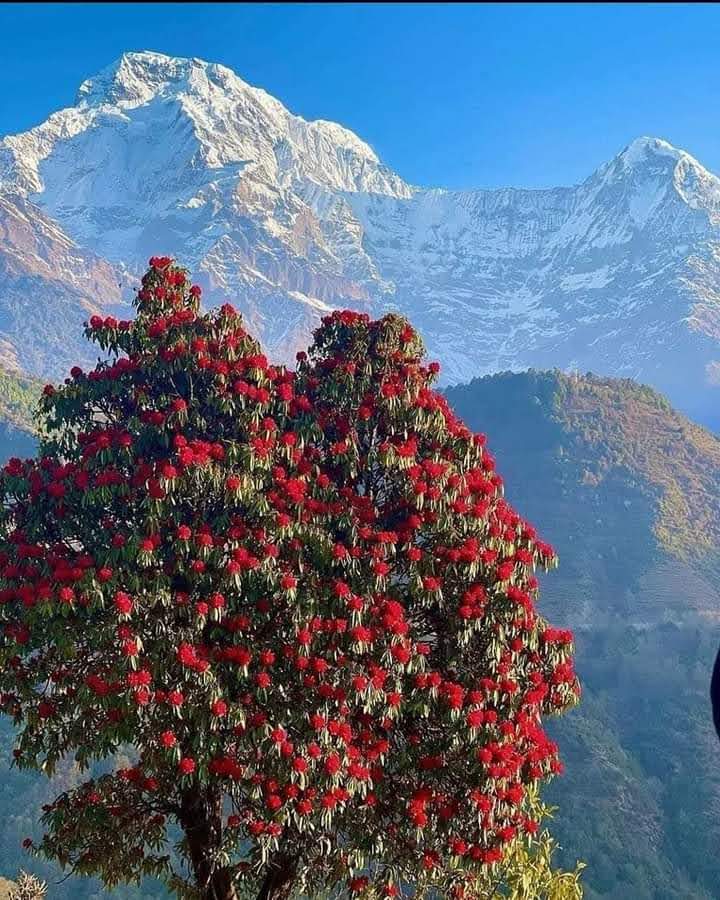
Royal Nepal Grand Tour
The Nepal Grand Circuit Tour is a remarkable 16-day journey that brings together the country's rich cultural heritage, breathtaking Himalayan landscapes, scenic...
Paragliding
Paragliding in Nepal offers one of the most spectacular ways to experience the country's dramatic landscapes from above. Soaring high over emerald hills, traditional villages, terraced farms, and shimmering lakes provides a perspective that few other adventures can match. With the Himalayas rising in the distance and valleys stretching far below, every flight combines excitement with breathtaking natural beauty. The stable weather conditions, diverse topography, and mountain scenery have made Nepal one of the world's most respected destinations for both recreational and professional paragliding. Flights range from gentle tandem experiences suitable for first-time flyers to long cross-country routes favored by experienced pilots seeking challenging thermals and extended airtime. The sensation of silently gliding alongside birds while surrounded by snow-capped peaks creates an unforgettable sense of freedom and adventure. Beyond the thrill itself, paragliding provides an opportunity to appreciate Nepal's landscapes in an entirely different way. The changing colors of the hills, the reflections on lakes, and the vast panorama of mountains create moments that remain with travelers long after the flight ends. Whether as a standalone adventure or as part of a broader journey through Nepal, paragliding offers a memorable blend of adrenaline, scenery, and peaceful aerial exploration.
Paragliding in Nepal
• Experience the thrill of soaring through the skies above some of the world's most spectacular mountain landscapes, where the Himalayas create an unforgettable backdrop for every flight.
• Enjoy a unique aerial perspective of Nepal's diverse scenery, including snow-capped peaks, rolling hills, terraced farmland, forests, lakes, rivers, and traditional villages.
• Discover the sensation of silent flight as you glide effortlessly on mountain thermals, carried by the natural air currents that make Nepal an internationally recognized paragliding destination.
• Fly alongside birds of prey such as eagles, vultures, and hawks that share the same thermal currents rising from the valleys below.
• Take in panoramic views that stretch from the high Himalayan ranges to the fertile valleys and settlements scattered across the landscape.
• Experience tandem paragliding flights with certified and experienced pilots, making the adventure accessible even for first-time flyers with no previous experience.
• Enjoy the perfect combination of excitement and tranquility as moments of adrenaline are balanced by the peaceful silence of soaring high above the ground.
• Witness breathtaking views of mountain ranges, including iconic Himalayan peaks that dominate the skyline on clear days.
• Observe the intricate patterns of terraced agriculture, winding rivers, forests, and traditional settlements from an entirely new perspective.
• Experience changing landscapes throughout the flight as mountain winds and thermal currents guide the journey across valleys and ridgelines.
• Capture remarkable aerial photographs and videos of Nepal's natural beauty, creating memories that are difficult to replicate through any other adventure activity.
• Take advantage of Nepal's favorable flying conditions, including stable weather patterns and reliable thermals that attract both recreational and professional pilots from around the world.
• Explore opportunities for longer cross-country flights that challenge experienced pilots and showcase the country's varied terrain.
• Discover why Nepal has become a respected destination for international paragliding competitions and training events.
• Combine adventure with sightseeing by experiencing landscapes that would otherwise require days of trekking to fully appreciate from the ground.
• Enjoy seasonal flying experiences, with different times of the year offering varying visibility, atmospheric conditions, and scenic highlights.
• Experience the unique feeling of floating above valleys and hills while surrounded by the immense scale of the Himalayan environment.
• Appreciate the harmony between adventure tourism and nature as flights operate using wind and thermal energy with minimal environmental impact.
• Complement trekking, cultural exploration, and wildlife experiences with an aerial adventure that adds a completely different dimension to travel in Nepal.
• Create lasting memories through an activity that combines freedom, adventure, photography, and some of the finest mountain scenery found anywhere in the world.
Paragliding
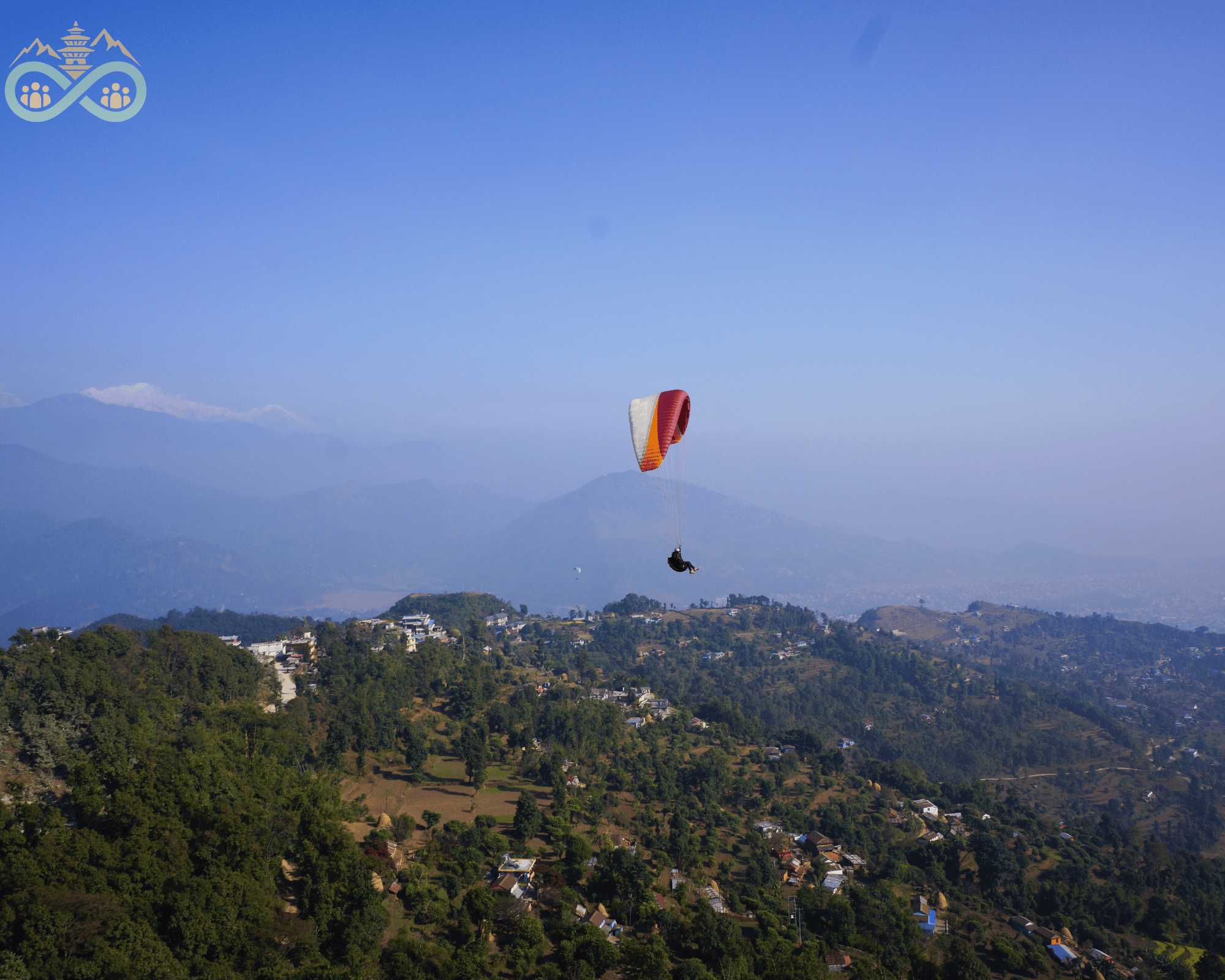
Wings on the Himalayas
Paragliding in Nepal offers an unforgettable blend of adventure, freedom, and breathtaking scenery. Soar through the skies on a tandem flight with a licensed pi...
Join The Nepal Calling Newsletter
Be the first to receive exclusive Nepal tour packages, trekking offers, travel tips, destination guides, and seasonal travel inspiration—delivered straight to your inbox.