Some journeys stay with you because of the places you visit. Others remain because they quietly change the way you think. Travelling through Nepal did both for me. I arrived expecting towering mountains, ancient temples, and famous trekking routes. I left carrying stories, friendships, and lessons that continue to shape how I see the world. Before coming to Nepal, I imagined it as a destination filled with dramatic landscapes. That image was true, but it was only one small part of the experience. The real Nepal revealed itself in conversations over cups of milk tea, in the laughter of children playing outside stone houses, in the patience of porters climbing steep trails, and in the calm smiles of strangers who always seemed willing to help. This journey became far more than a holiday. It became a reminder that the richest travel experiences often come from slowing down, listening carefully, and accepting that not every memorable moment can be planned.
The First Morning in Kathmandu
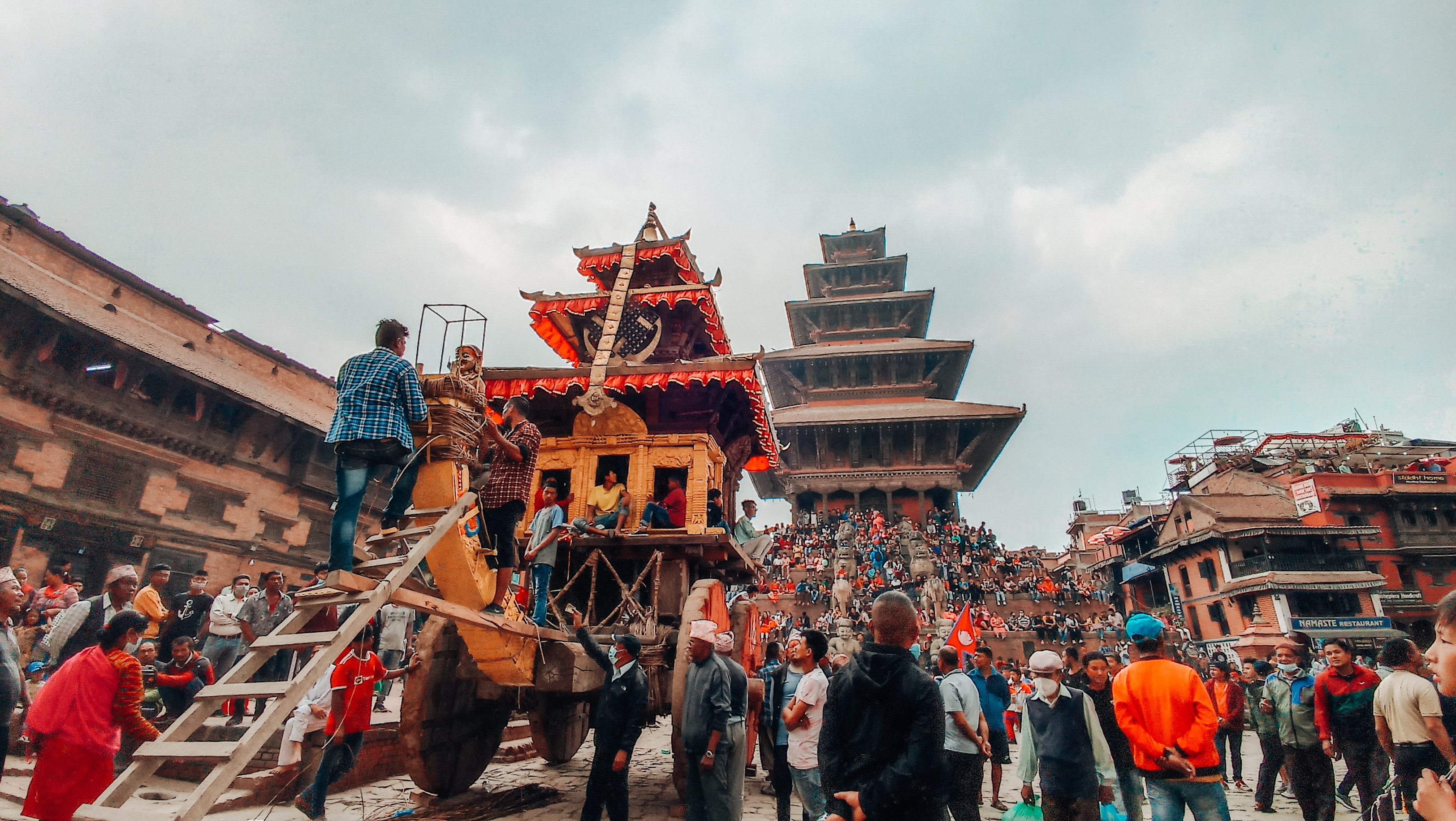
The first thing I noticed after landing in Kathmandu was the sound. Prayer bells echoed through narrow streets while motorcycles passed old brick buildings that had stood for centuries. Incense drifted through the air, mixing with the aroma of fresh bread and steaming momo from nearby cafes. Walking through the city felt wonderfully unpredictable. Around one corner stood a centuries old temple where devotees quietly offered flowers. Around the next, young people gathered in coffee shops discussing university assignments and business ideas. Nepal never felt trapped in the past. Instead, tradition and modern life existed side by side. Durbar Square became one of my favourite places to simply sit and observe. Local families visited shrines before work, pigeons filled the open spaces, and skilled craftsmen carefully restored wooden carvings damaged by earthquakes. Watching daily life unfold taught me that history is not just preserved inside museums. In Nepal, it remains part of everyday living.
Discovering Everyday Kindness
One lesson appeared almost immediately. Genuine kindness often arrives without being asked for. During my second day, I became completely lost while searching for a small temple hidden inside a maze of narrow streets. My phone map only made things more confusing. An elderly shopkeeper noticed my hesitation, smiled warmly, closed his tiny store for a few minutes, and personally walked me to the correct path. He refused any payment. Instead, he simply wished me a pleasant journey. That brief encounter stayed with me far longer than many famous landmarks. Similar moments happened throughout the country. Bus passengers shifted their bags to make space. Tea house owners remembered my name after meeting only once. Children greeted passing trekkers with cheerful smiles instead of expecting gifts. These small acts reminded me that hospitality is often measured through ordinary gestures rather than grand displays.
Mountains That Teach Patience
Everyone talks about Nepal's mountains, but photographs rarely capture what it actually feels like to walk among them. The Himalayas are not simply scenery. They shape every part of daily life. Early one morning I began climbing before sunrise. The air was cold enough to make every breath visible. As daylight slowly reached the surrounding peaks, snow-covered summits changed from pale blue to soft gold. For several minutes, nobody spoke. Even experienced trekkers quietly watched the light spread across the mountains. The silence itself became part of the experience. Walking through these landscapes also taught me patience. Trails climbed steadily for hours. Some sections felt surprisingly easy while others demanded every bit of energy I had. Looking toward distant peaks sometimes made the destination appear impossibly far away. Eventually I stopped worrying about reaching the next village. Instead, I focused only on taking one careful step after another. Oddly enough, life outside the mountains often works the same way. Many challenges seem overwhelming when viewed all at once. Breaking them into smaller steps makes progress possible. That lesson stayed with me long after returning home.
Villages Where Time Moves Differently
Leaving the cities revealed another side of Nepal. In small mountain villages, mornings began with the sound of roosters instead of traffic. Farmers worked terraced fields that generations before them had carefully shaped into the hillsides. Prayer flags fluttered gently above stone pathways while neighbours greeted one another by name. Life appeared slower, but never idle. Every activity seemed connected to the rhythm of the seasons. One afternoon I stayed in a family-run tea house after heavy rain delayed our trek. Without electricity for several hours, everyone gathered around the kitchen fire. The owners prepared dal bhat while sharing stories about growing up in the mountains.Language differences occasionally interrupted our conversations, yet laughter filled every pause.That evening reminded me that meaningful conversations do not always require perfect communication.Curiosity, patience, and genuine interest often speak louder than words.
Finding Beauty Beyond Famous Places
Many travellers dream about Everest Base Camp, Annapurna Circuit, or other well known destinations. They certainly deserve their reputation. Yet some of my favourite memories came from places that never appeared in guidebooks. A quiet hillside covered with wildflowers. A suspension bridge crossing a fast flowing river. An elderly woman weaving baskets outside her home. Children playing football on a dusty village field with breathtaking mountains rising behind them. These moments could never be scheduled. They simply appeared because I allowed enough time to notice them. Modern travel sometimes encourages us to collect destinations like achievements. Nepal encouraged me to do something different.Instead of asking, "How many places can I visit?" I found myself asking, “How deeply can I experience this one place?” That simple change transformed the entire journey.
Learning to Accept Uncertainty
Travelling in Nepal also changed my relationship with uncertainty. Back home, I usually liked detailed plans and predictable schedules. In Nepal, those plans often changed without warning. A mountain trail closed after heavy rain. A local festival filled the streets and delayed transportation. Thick clouds postponed a scenic flight that many visitors had waited months to experience. At first, these changes felt frustrating. Gradually, I realised they were invitations to slow down rather than obstacles to overcome. One afternoon, while waiting for a delayed jeep in a small village, I spent several hours talking with local residents. We shared tea, exchanged stories about our homes, and laughed over the challenges of learning each other's languages. Had the vehicle arrived on time, that conversation would never have happened. Nepal taught me that flexibility often creates the best memories. Some experiences cannot be planned, booked, or added to an itinerary. They appear only when there is space for them.
The Meaning of Resilience
Nepal is a country that understands resilience. Whether speaking with guides, farmers, business owners, or students, I noticed a quiet determination that rarely needed to be announced. Many people had lived through earthquakes, difficult winters, changing tourism seasons, and demanding mountain conditions. Yet they continued rebuilding homes, welcoming visitors, and supporting their communities. Their resilience was not loud or dramatic. It appeared in everyday routines. A shopkeeper opening the door every morning. A porter carrying supplies to villages that have no roads. Parents encouraging their children to study while preserving traditions that have existed for generations. Watching this quiet strength made me reflect on my own life. Resilience is not always about facing extraordinary moments. More often, it is about continuing with kindness and purpose despite ordinary challenges. That lesson remains one of the greatest gifts Nepal gave me.
Respecting Culture Instead of Simply Observing It
Before visiting Nepal, I wanted to see temples, monasteries, and heritage sites. After spending time there, I realised these places are much more than attractions. At Boudhanath Stupa, pilgrims walked clockwise while softly turning prayer wheels. Monks sat in peaceful conversation beneath colourful prayer flags. Families gathered to light butter lamps as evening approached. Nothing felt staged for visitors.These were genuine expressions of daily faith. Standing quietly among local worshippers reminded me that respectful travel means observing with humility rather than treating every place as entertainment. Sometimes the most meaningful thing a traveller can do is simply watch, listen, and appreciate without interrupting the moment. That perspective changed how I approached every destination afterwards.
Why Nepal Continues to Stay with Me
People often ask what my favourite place in Nepal was. The truth is, I cannot choose only one. Some mornings I remember watching the first sunlight touch distant Himalayan peaks. Other days I think about conversations with tea house owners, children waving from village paths, or strangers who offered directions without expecting anything in return. Those memories are connected by a common thread. They remind me that meaningful travel is built through human connection rather than famous landmarks alone. Nepal showed me extraordinary scenery, but it also showed me extraordinary generosity. It reminded me that curiosity creates friendships, patience creates understanding, and gratitude grows naturally when we learn to appreciate simple moments. Long after photographs are stored away and souvenirs gather dust, those lessons remain alive.
| Practical Information Box |
|---|
| Best Time to Visit | March to May and September to November |
| Getting There | Fly into Tribhuvan International Airport in Kathmandu. Domestic flights and road travel connect major destinations. |
| Budget | Budget, mid-range, and luxury options are available throughout Nepal. Trekking costs vary by region and duration. |
| Visa | Most visitors can obtain a tourist visa on arrival. Always check the latest government requirements before travelling. |
| Safety | Respect mountain weather, trek with proper preparation, and follow local advice in remote areas. |
Final Reflections
Looking back, I realise I did not return from Nepal with all the answers. Instead, I returned with better questions. How often do I rush through experiences without noticing the people around me? How much happiness depends on simplicity rather than possessions? What would happen if I approached everyday life with the same patience required on a mountain trail? Travelling Nepal reminded me that growth rarely comes from comfort. It comes from unfamiliar conversations, changing plans, challenging climbs, and moments that ask us to see the world differently. If you visit Nepal expecting only spectacular mountains, you will certainly find them. But if you arrive with curiosity and an open mind, you may discover something even more valuable. You may leave carrying a different way of seeing the world.
Have you travelled through Nepal, or is it still on your travel wish list? Share your experiences or questions in the comments below. I'd love to hear which places inspired you most or what you're looking forward to discovering.